






The Rise of the Robotic Space Mechanic
The era of the disposable satellite may be coming to an end, thanks to a minivan-sized robotic spacecraft that just launched from Cape Canaveral. Northrop Grumman's Mission Robotic Vehicle, or MRV, is designed to be a jack-of-all-trades for assets in geosynchronous
orbit. Launched on a SpaceX Falcon 9 rocket in July 2026, the MRV represents a significant leap in the field of In-space Servicing, Assembly, and Manufacturing (ISAM), a sector focused on maintaining and upgrading spacecraft long after they leave the ground. This mission builds on the success of the company's earlier Mission Extension Vehicles (MEVs), which have already docked with commercial satellites to provide life-extending propulsion. However, the MRV is far more advanced, acting not just as an engine but as a skilled robotic technician.
Meet the Mission Robotic Vehicle
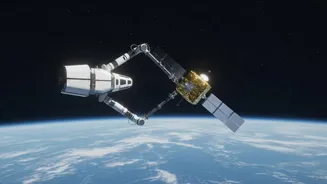
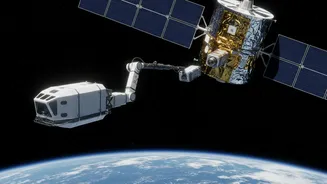
At the heart of the mission are the MRV's twin robotic arms. This highly dexterous robotics payload was developed by the U.S. Naval Research Laboratory through a partnership with the Defense Advanced Research Projects Agency (DARPA). These arms, each about 10 feet long, will allow the MRV to perform complex tasks that were previously impossible, including inspection, repairs, and moving satellites. But its first and most important job is installing what are essentially 'jetpacks' for aging satellites. The vehicle is also equipped with a Passive Refueling Module, a U.S. Space Force-approved standard that will allow the MRV itself to be refueled in orbit for future missions, ensuring its own longevity as a permanent orbital mechanic.
What Are These Life-Extending 'Pods'?
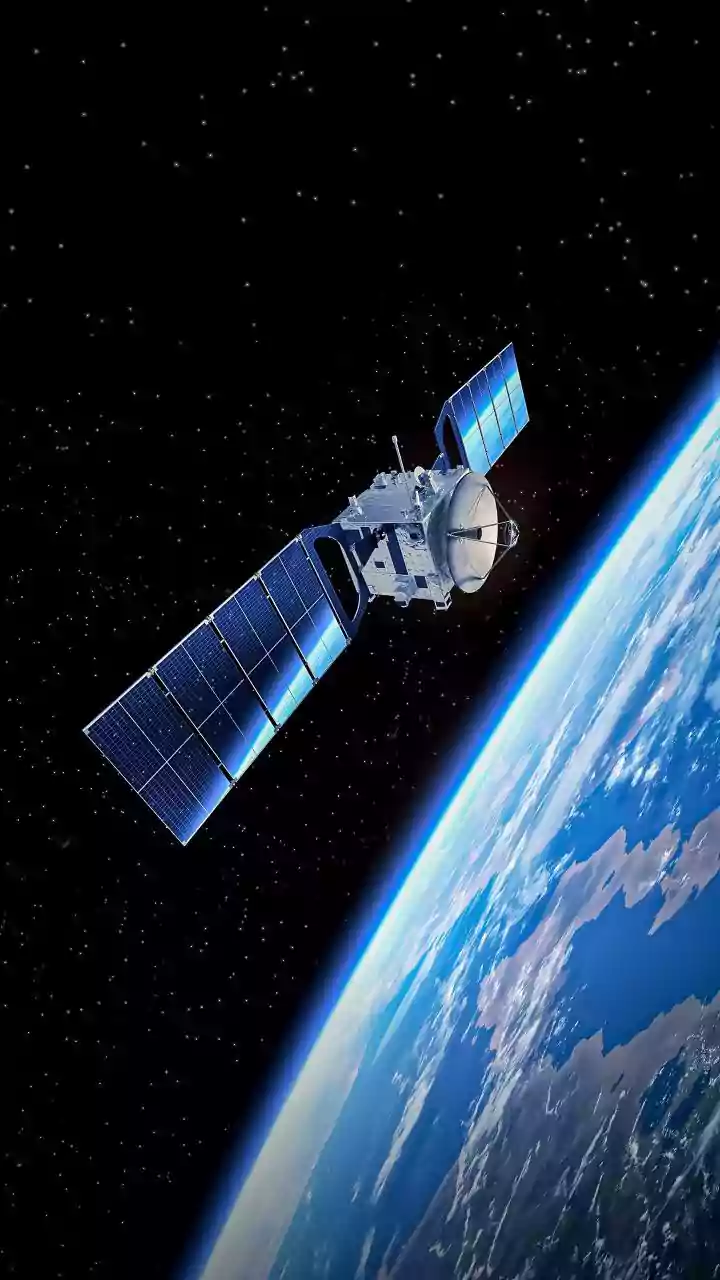
The 'pods' the MRV will install are officially called Mission Extension Pods (MEPs). Three of these pods were launched alongside the MRV. They are compact, self-contained propulsion units that attach to a client satellite. Once installed, the MEP takes over station-keeping duties, using its own electric propulsion system to keep the satellite in its correct orbital slot. This is critical because many satellites are retired not because their communications equipment fails, but simply because they run out of the fuel needed for these minor orbital adjustments. An MEP can add six or more years to a satellite's operational life, generating immense value for its operator.
A Robotic Ballet in Zero Gravity
The installation process is a carefully choreographed sequence. After a journey of about a year to reach geosynchronous orbit, the MRV will get to work. Its robotic arms will grasp one of the MEPs it traveled with, approach a client satellite, and physically attach the pod. Unlike its MEV predecessors, which had to permanently dock with a client, the MRV can detach after the installation and move on to its next job. For this first mission, the MRV will install the three MEPs on separate client satellites for operators like Intelsat and Optus, Australia's largest satellite operator. After its initial tasks are complete, the MRV will remain in orbit, ready to install new pods launched in the future.
A Game-Changer for Space Operations
This technology fundamentally changes the economics of the satellite industry. Instead of budgeting hundreds of millions of dollars for a replacement satellite, operators can now opt for a life-extension service at a fraction of the cost. This shift from a disposable to a serviceable model has profound implications. It promises to reduce the growing problem of orbital debris by keeping functional satellites in service for longer. It also opens the door for a new commercial market in space, covering everything from repair and refueling to in-orbit assembly of future space structures. For commercial operators and government agencies like the U.S. Space Force, this means greater resilience, flexibility, and sustainability for critical space infrastructure.