

The Foundational Squat
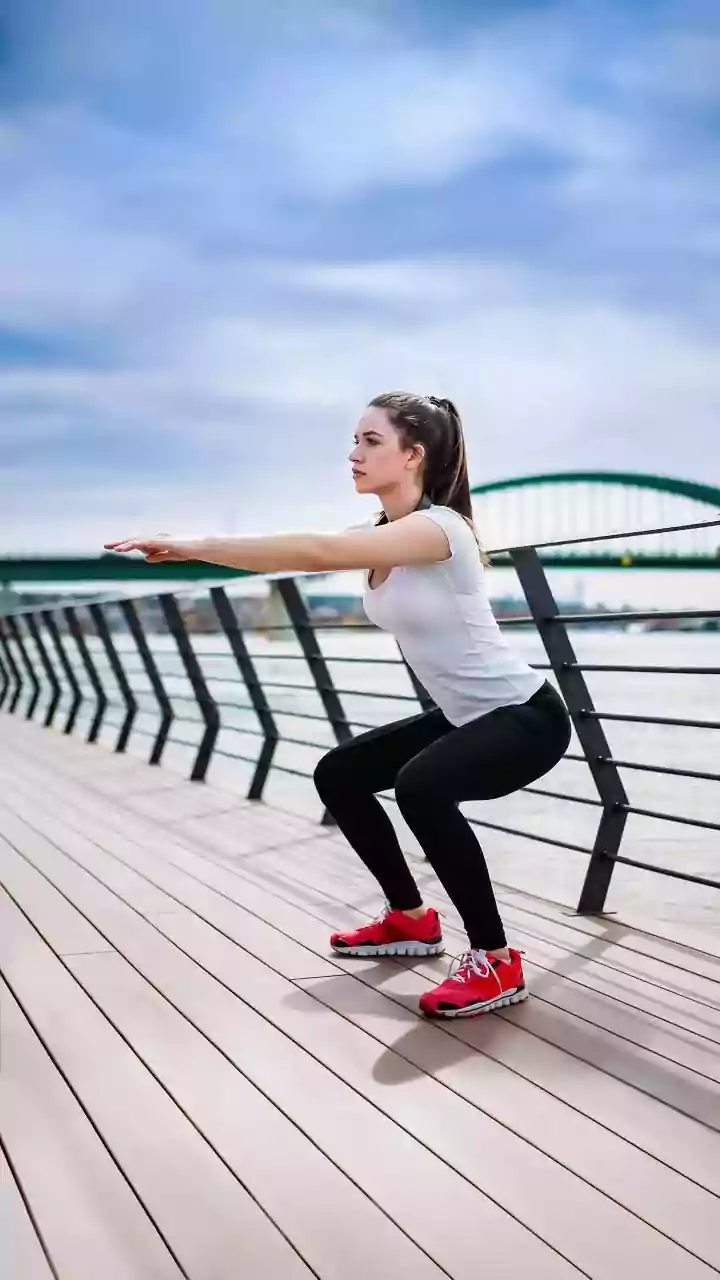
No exercise is more fundamental than the squat. On the journey to a healthier 67kg, the simple squat became a powerhouse for building lower body and core strength. Squats work some of the largest muscles in your body, including the glutes, quadriceps,
and hamstrings. This is crucial because building muscle helps to increase your metabolism, a key component of long-term weight management. To perform a basic bodyweight squat, stand with your feet shoulder-width apart. Lower your hips as if you're sitting in a chair, keeping your chest up and your back straight. Go as low as you comfortably can, then press through your heels to return to the starting position. The beauty of the squat is its versatility; it can be done anywhere, with no equipment necessary.
The All-Rounder Push-Up
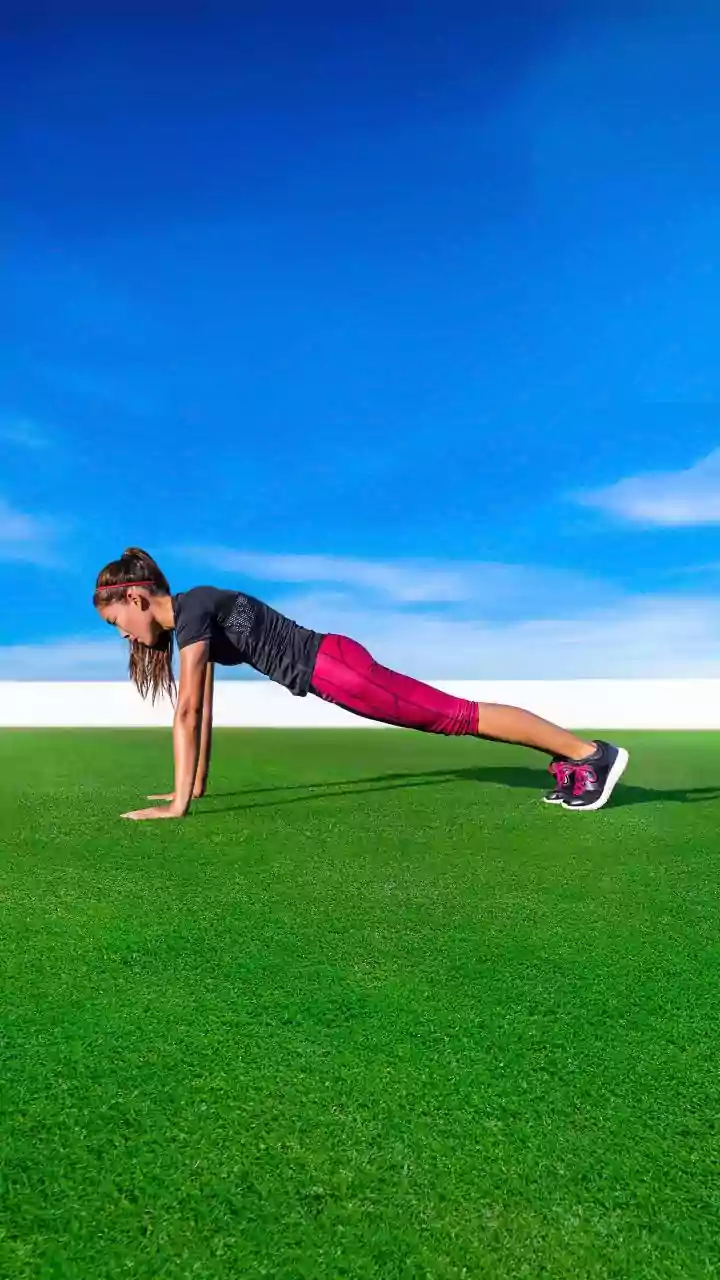
The push-up is a true test of upper body and core strength, working the chest, shoulders, triceps, and abdominal muscles all at once. Many people find them daunting at first, but modifications make them accessible to everyone. The journey included starting with wall push-ups, then progressing to knee push-ups, and finally achieving a full push-up. This progressive approach builds confidence and strength safely. To do a modified push-up, place your hands slightly wider than your shoulders on a wall or with your knees on the floor. Lower your body until your chest nearly touches the surface, keeping your core engaged and your back flat, then push back up.
The Core-Carving Plank
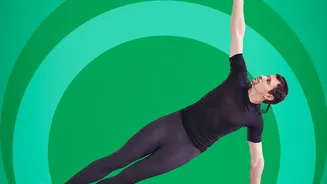
A strong core is the foundation of all movement, and the plank is one of the best exercises to build it. Unlike crunches, which can strain the spine, the plank strengthens the entire core—including the deep transverse abdominis, rectus abdominis, and obliques—in a safe, static hold. During the 67kg journey, holding a plank for just 30 seconds a day gradually built incredible stability. To perform a plank, assume a push-up position but rest on your forearms. Keep your body in a straight line from your head to your heels, engaging your core and glutes. Avoid letting your hips sag or rise too high. Even short, consistent holds can lead to significant improvements in posture and a reduction in back pain.
The Dynamic Lunge
Lunges are excellent for targeting each leg individually, which helps to improve balance and identify muscle imbalances. They work the quads, glutes, and hamstrings, making them a fantastic addition to any lower-body routine. What made lunges a key part of this transformation was their dynamic nature. They can be done stationary, walking, or even in reverse. Start by standing tall, then step one foot forward and lower your hips until both knees are bent at a 90-degree angle. Ensure your front knee is directly above your ankle. Push off your front foot to return to the start and repeat on the other side.
The Cardio-Blasting Burpee
When time is short, the burpee delivers a full-body workout that spikes the heart rate, builds strength, and torches calories. A burpee combines a squat, a push-up, and a jump into one fluid movement, engaging nearly every muscle in the body. It's a high-intensity move that was used sparingly but effectively for a cardiovascular boost. To start, you can modify it by removing the push-up or the jump. From a standing position, squat down and place your hands on the floor, kick your feet back into a plank, perform a push-up (optional), jump your feet back to your hands, and then explode upwards into a jump. It's tough, but its efficiency is undeniable.