






The Quantum Leap Explained
For decades, computers have operated on a simple binary system of bits, which can be either a 0 or a 1. This has served us well, powering everything from our smartphones to global financial markets. Quantum computing, however, represents a monumental
shift. Instead of bits, it uses qubits, which can exist as a 0, a 1, or both simultaneously, thanks to a principle called superposition. This allows quantum computers to process a vast number of calculations at once, promising to solve complex problems that are currently impossible for even the most powerful supercomputers. Think of it as moving from a light switch (either on or off) to a dimmer switch that can be at any brightness level in between, and many at once.
From Theory to Tangible Hardware
Until recently, learning about quantum computing in India largely meant burying your nose in textbooks or using cloud-based simulators. While these are valuable tools, they can't fully replicate the experience of working with actual quantum hardware. The nuances, challenges, and potential of the technology are best understood through direct interaction. This gap between theory and practice has been a significant hurdle in preparing a workforce ready to lead the quantum revolution. The need is urgent, as India's National Quantum Mission aims to make the country a global leader, a goal that requires a deep talent pool.
A New Hub for Hands-On Innovation
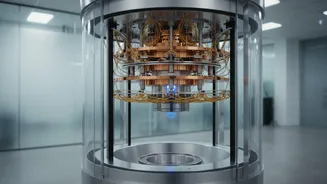
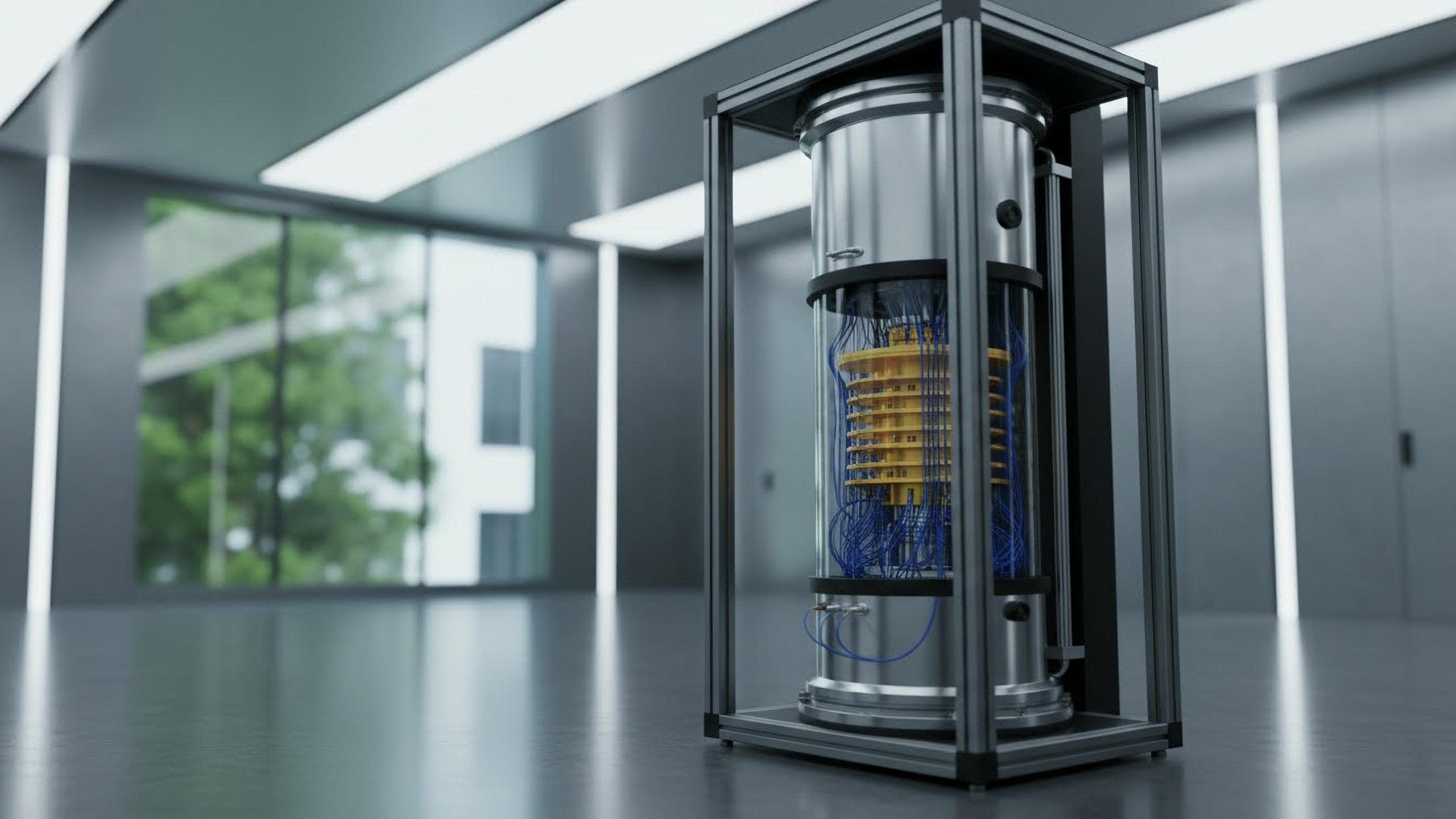
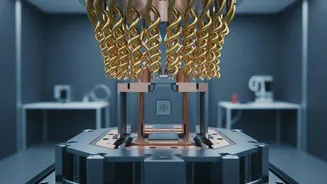
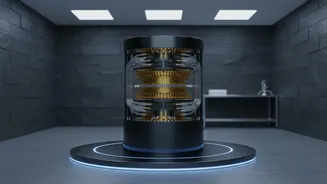
Alliance University in Bengaluru has taken a groundbreaking step to close this gap. On August 3, 2026, it inaugurated AU-QUASAR (Alliance University – Quantum AI School for Advanced Research), becoming the first private university in India to install and operate a quantum computer on its campus. The facility houses an 8-qubit quantum computer, designed and built in India by QpiAI. This is not a simulation; it's a physical machine that students, researchers, and industry partners can directly access. The centre aims to be a hub for innovation, bridging academia and the thriving tech ecosystem of Electronics City, Bengaluru.
What This Means for Students
For students, this development is a game-changer. They now have the opportunity to move beyond classical programming and get their hands dirty with quantum circuits, algorithms, and real-world problem-solving. Abhay G. Chebbi, the Pro-Chancellor of Alliance University, emphasized that this initiative allows students to experiment and innovate, building the next generation of India's deep-tech leaders. This practical experience is invaluable, preparing them for highly skilled jobs in a field poised for explosive growth. Instead of just reading about quantum mechanics, they are actively applying it, creating a new benchmark for quantum education in the country.
Powering India's Quantum Ambitions
The establishment of the AU-QUASAR centre aligns perfectly with India's national strategy. The National Quantum Mission, launched in 2023 with a budget of over ₹6,000 crore, is a clear statement of intent to develop sovereign capabilities in quantum technology. The mission's goals include building quantum computers with increasing qubit capacity and fostering a robust ecosystem. Initiatives like the one at Alliance University, along with hubs at institutions like IISc Bengaluru and IIT Madras, are crucial pillars of this strategy. They create the necessary infrastructure to train the thousands of quantum developers India will need to secure its place as a technology leader in the coming decade.