




The Protein Boom and Its Backlash
For years, 'high protein' has been the golden ticket in the healthy snacking market. As Indians have become more health-conscious, the demand for snacks that support fitness goals, aid in weight management, and provide sustained energy has skyrocketed.
This created a massive wave of products, from protein bars and cookies to chips and shakes, all prominently featuring their protein content. However, this single-minded focus on one macronutrient led to a crowded and often confusing market. Consumers began noticing that many products with impressive protein claims were also packed with sugar, artificial sweeteners, unpronounceable chemicals, and highly processed fillers. The 'health halo' created by the protein claim often masked a less-than-healthy reality.
Rise of the 'Clean Label' Detective
Enter the era of the ingredient detective. The new wave of consumer thinking, encapsulated by the 'clean label' movement, prioritises transparency and simplicity. A clean label product is one with a short, understandable, and natural ingredient list, free from artificial additives. In the Indian context, this resonates deeply with a cultural preference for fresh, wholesome food. Shoppers are no longer just asking, "How much protein does this have?" They are asking, "What is this protein source? What else is in here with it?" Surveys show a growing distrust of overly long and complex ingredient lists, with consumers preferring snacks with fewer, more recognizable components.
How to Read a Label Like a Pro
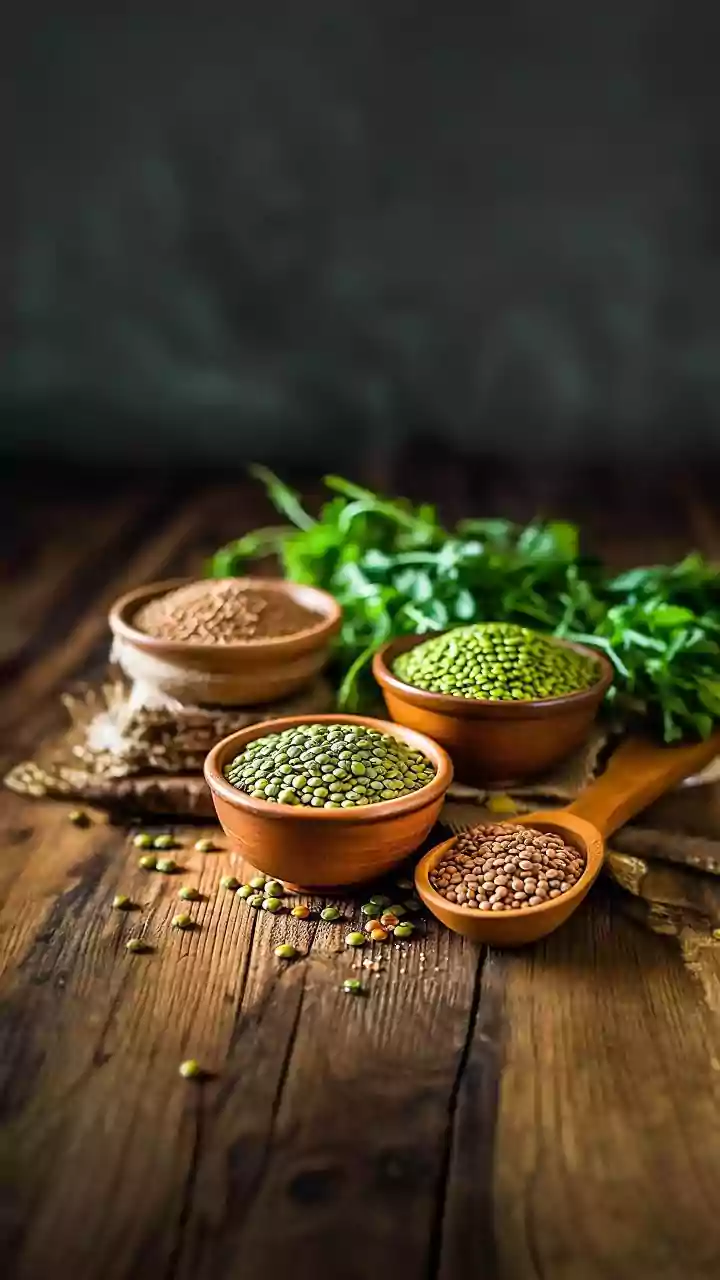
Becoming a savvy shopper is simpler than it sounds. First, look at the order of ingredients; they are listed by weight, so if sugar or a filler is one of the first few items, it's a major component of the product. Second, watch out for multiple types of hidden sugars (like high-fructose corn syrup, maltodextrin, or dextrose). Third, be wary of a long list of chemical-sounding names you can't pronounce—these are often artificial preservatives, stabilisers, or flavour enhancers. The goal is to find products that use whole-food ingredients you recognise, like nuts, seeds, oats, or lentils. Brands that are transparent about their sourcing and use minimal processing are gaining the trust of discerning consumers.
The Indian Snacking Revolution
This trend is rapidly reshaping the Indian healthy snacks market, which is projected to grow significantly in the coming years. While modern formats like protein bars are popular, there's also a renewed appreciation for traditional Indian snacks that are naturally high in protein and fibre, such as roasted chana, sprouts, paneer, and makhana. New-age Indian brands are successfully merging convenience with this demand for clean eating. They are launching products with familiar, 'Indianized' flavours but with transparent, clean labels that appeal to the modern, health-conscious consumer. The focus is shifting from simply adding protein to crafting a genuinely nutritious, minimally processed product.
What's Next for Healthy Snacking?
The message from consumers is clear: nutritional claims must be backed by ingredient integrity. A front-of-pack boast is not enough; the entire nutrition facts panel is now under scrutiny. This shift is forcing brands to innovate beyond just increasing protein content. The future of snacking will likely feature more plant-based proteins, shorter ingredient lists, and a greater emphasis on functional benefits beyond protein, such as gut health or added vitamins. As consumers continue to educate themselves, their collective purchasing power will reward brands that prioritise transparency and true nutritional value over marketing hype.