



The Myth of 'Boosting' Your Immunity
The idea of 'boosting' your immune system is a powerful one, suggesting you can supercharge your body's defences. However, medical experts and immunologists explain that this concept is scientifically inaccurate. Your immune system is an incredibly complex
network of cells and organs that is designed to be in balance. You don't want it to be 'stronger' or permanently ramped up; you want it to be balanced and responsive. An overactive immune system can be as problematic as an underactive one, leading to allergies, inflammation, or even autoimmune conditions where the body mistakenly attacks its own healthy cells. Symptoms of a common cold, like a runny nose, are actually signs of your immune system at work, fighting off the infection. The goal isn't to create a hyper-aggressive system, but to ensure it has everything it needs to function correctly.
Why 'Booster' is a Marketing Buzzword
If the science doesn't support it, why is the term 'immunity booster' everywhere? The answer lies in marketing. It's a simple, powerful phrase that preys on our desire for a quick fix to stay healthy, especially during seasons when illnesses like the flu are more common. The term became even more popular during the COVID-19 pandemic, with companies using it to sell everything from supplements to food products. This language creates a false sense of security, implying that a single product can offer special protection. The reality is that no single food or supplement can act as a magic shield against illness.
From Boosting to Supporting: How Diet Really Helps
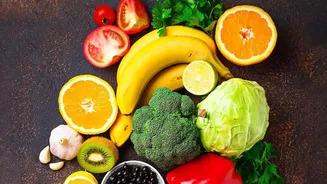
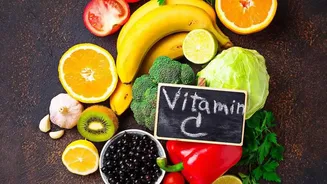
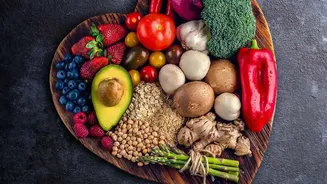
Instead of trying to 'boost' immunity, the scientifically sound approach is to 'support' it. A well-functioning immune system relies on having a steady supply of essential nutrients. A balanced diet provides the building blocks for your immune cells to grow, function, and communicate effectively. Several micronutrients are critical for this process, including Vitamin C, Vitamin D, zinc, iron, and selenium. For instance, Vitamin C helps in the formation of antibodies, while zinc is crucial for immune cell function and wound healing. These nutrients work together as part of a complex system. They are not individual 'boosters' but essential components of a healthy whole. A deficiency in one or more can impair immune function, but megadosing with supplements is generally not recommended and can sometimes be harmful.
A Smarter Approach: Eating with the Seasons
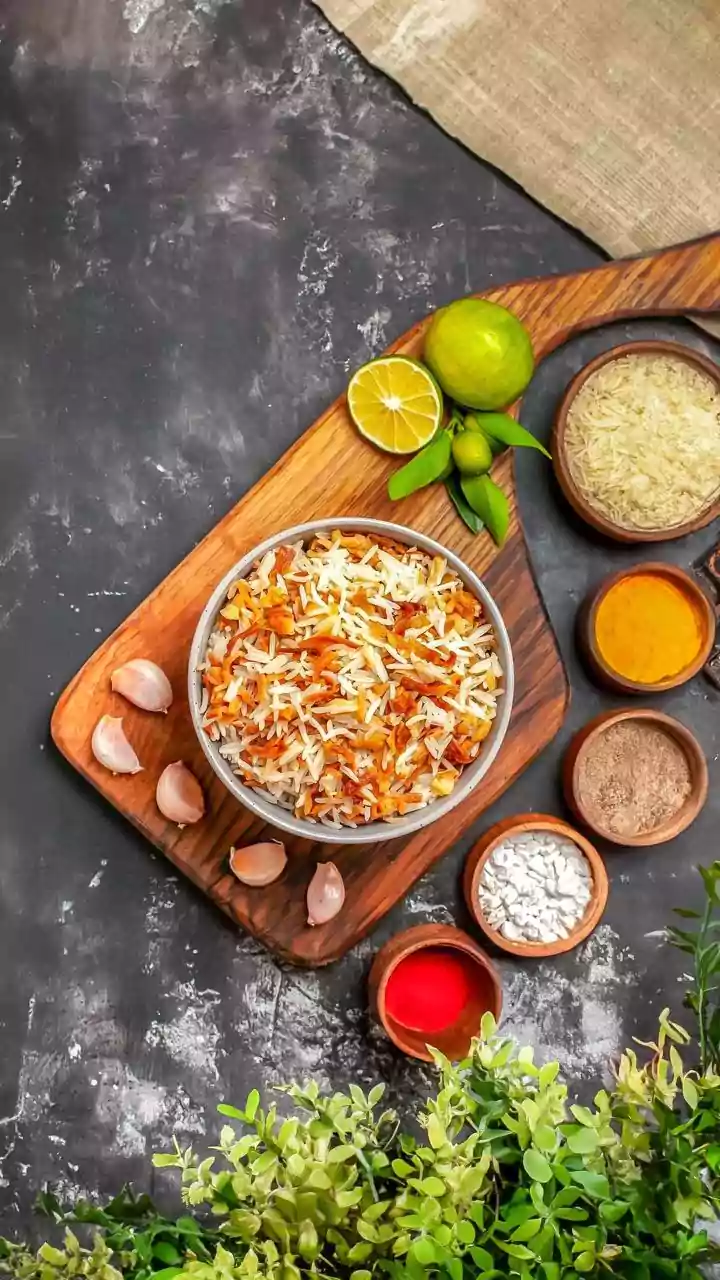
A practical way to support your immune system is to eat a varied, balanced diet aligned with the seasons, a practice deeply rooted in Indian food wisdom. Seasonal produce is typically fresher, more nutrient-dense, and more affordable. For example, winter brings an abundance of amla and oranges, both packed with Vitamin C. The monsoon season offers bitter vegetables like karela, which are traditionally believed to support liver function and immunity when infections are common. Eating seasonally also promotes gut health by introducing a natural variety of fibres that feed diverse gut microbes, which play a key role in immune function. Rather than chasing an exotic berry, focus on local, seasonal superstars like guava, spinach (palak), carrots, and gourds (lauki). Spices like turmeric (haldi), ginger, and black pepper, staples in Indian kitchens, also have anti-inflammatory properties that support overall health.
Beyond the Plate: A Holistic View of Health
Diet is a cornerstone of immune health, but it's not the only factor. A holistic approach is essential for keeping your body's defences in top shape. Chronic stress, lack of sleep, and a sedentary lifestyle can all negatively impact your immune system. Adequate sleep, typically 7-8 hours a night, is crucial for immune cells to function properly. Regular, moderate exercise has also been shown to be beneficial. Managing stress through practices like yoga or meditation can help keep inflammatory stress hormones in check. Ultimately, supporting your immune system is not about a single ingredient or a short-term fix. It’s about the consistent, daily habits you build around your diet and overall lifestyle.