


The Enduring Appeal of an Old Favourite
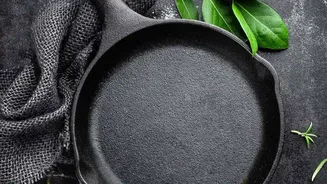
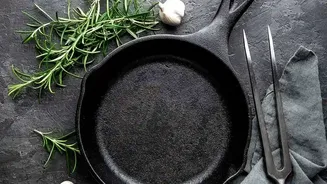
Cast iron's biggest advantage is its ability to get incredibly hot and stay that way. This superior heat retention means it cooks food evenly, without frustrating hot spots, which is key for many cooking techniques. Once properly seasoned, a cast iron pan
develops a natural, chemical-free non-stick surface that actually improves the more you use it. Unlike modern coated pans that can wear out, a cast iron skillet or kadai is nearly indestructible and can be passed down for generations. Furthermore, cooking in cast iron can leach small, beneficial amounts of iron into your food, a natural way to supplement this essential mineral in your diet.
Perfect for Indian Breads and Pancakes
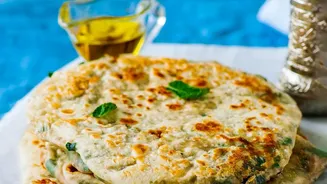
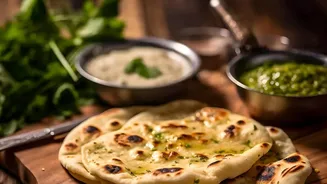
A cast iron tawa is the undisputed champion for making Indian breads. Whether you are preparing rotis, parathas, or the classic South Indian dosa, the consistent, high heat is essential. For dosas, a cast iron tawa helps achieve that signature crispy, golden-brown texture that is difficult to replicate on other surfaces. The even heating ensures your rotis puff up perfectly and cook through without burning in spots. It’s also excellent for making dishes like uttapam and even fluffy pancakes. Many home cooks keep a separate tawa just for dosas to maintain its specific seasoning.
Ideal for Searing, Frying, and Tadkas
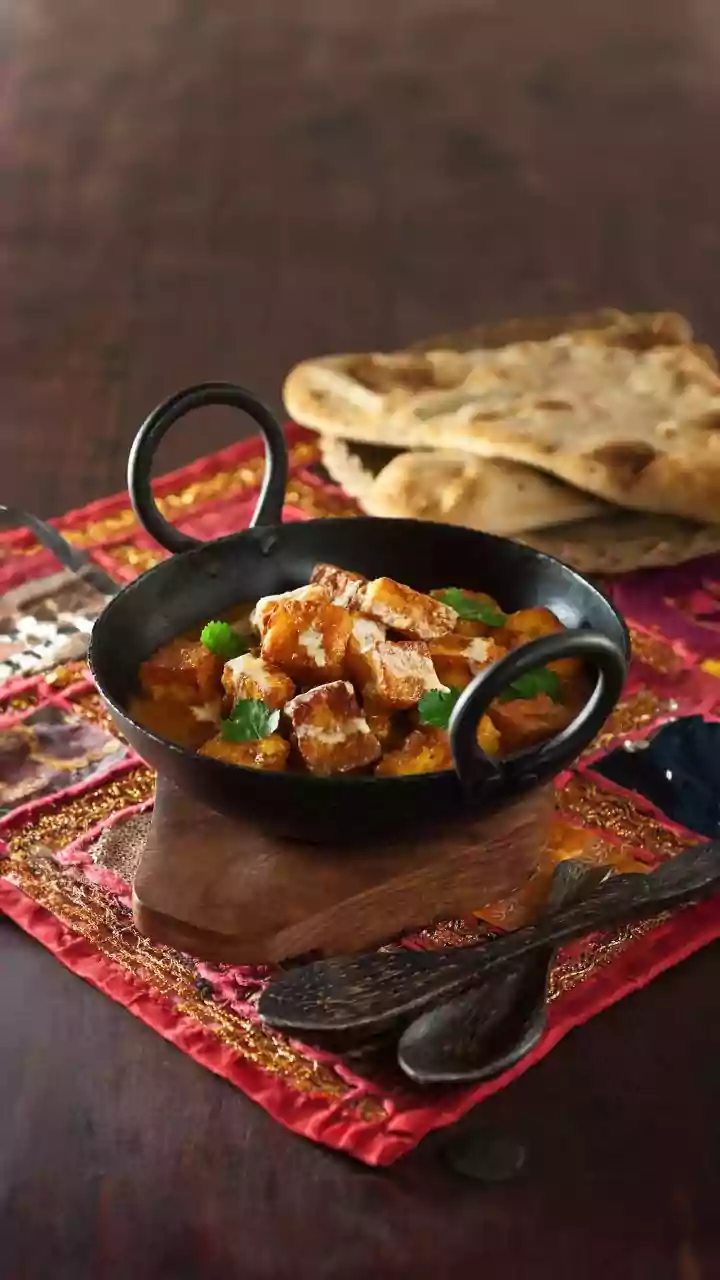
The high, steady heat of cast iron makes it perfect for getting a beautiful sear on ingredients. Use a skillet or kadai to brown paneer for paneer tikka, giving it a delicious crust before adding it to a gravy. It’s also fantastic for shallow frying snacks like aloo tikki or cutlets, creating a crispy exterior while keeping the inside soft. For deep frying pakoras or samosas, a cast iron kadai holds a steady oil temperature, which is crucial for crispy, non-greasy results. This same quality makes it the go-to vessel for preparing a flavourful tadka, allowing the spices to bloom perfectly in hot ghee or oil.
Making Dry Sabzis and Roasts
Dry vegetable preparations, or sabzis, benefit immensely from being cooked in a cast iron kadai. Dishes like bhindi masala (spiced okra) cook evenly without becoming mushy, as the pan's consistent heat helps evaporate moisture effectively. Similarly, pan-roasting vegetables or chicken allows them to develop a rich, caramelized flavour. A South Indian pepper chicken roast, for example, achieves its characteristic dry and spicy texture when cooked in a cast iron skillet. The even browning is something that lighter pans struggle to achieve.
A Note on Acidic and Sticky Foods
While incredibly versatile, there are some considerations. Very acidic foods, like tomato-heavy curries or dishes with a lot of vinegar, can potentially react with the metal and strip the pan's seasoning if cooked for a long time. It’s generally fine for shorter cooking times in a well-seasoned pan. Also, until your pan has built up a strong non-stick layer, it's best to avoid very sticky foods like eggs or fried rice, which might adhere to the surface. Start by cooking with fatty foods like bacon or searing meats to build up that seasoning first.
Caring for Your Kitchen Workhorse
Proper care is simple but crucial. After cooking, let the pan cool slightly before cleaning. Use hot water and a soft brush or non-abrasive scrubber; avoid harsh soaps and steel wool, which can damage the seasoning. For stuck-on food, you can use coarse salt as a gentle abrasive. The most important step is to dry the pan completely immediately after washing to prevent rust. You can do this with a cloth or by placing it on a low flame for a minute. Finally, wipe a very thin layer of cooking oil on the inside surface before storing it in a dry place.