




That sharp, sweet, and intensely aromatic scent is unmistakable. It’s the smell of festive cooking, comforting biryanis, and traditional remedies. But behind that powerful aroma is the incredible journey of the humble clove, a tiny dried flower bud.
From Tropical Flower to Kitchen Spice
Every
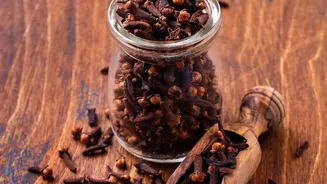
clove you've ever used began its life as an unopened flower bud on the Syzygium aromaticum tree, an evergreen native to the Maluku Islands of Indonesia, historically known as the Spice Islands. These trees thrive in hot, humid climates. The buds are harvested by hand when they are plump and have turned a bright red, but just before they can blossom into flowers. If left on the tree, they would open into beautiful, feathery purple flowers. Once picked, these immature buds are carefully dried in the sun for several days. During this process, they lose most of their moisture, shrink, and harden, developing the deep, reddish-brown colour and potent fragrance we recognise. It’s a labour-intensive process that transforms a delicate bud into one of the world's most intense spices.
The Scent That Launched Ships
Long before cloves were a staple in your kitchen masala box, they were a treasure worth fighting for. The history of cloves is the history of the global spice trade itself. As early as 1721 BC, they were being traded in the Middle East. For centuries, Arab traders held a monopoly, keeping the origin of these precious buds a closely guarded secret. Their immense value spurred European explorers, including Ferdinand Magellan and Vasco da Gama, to seek new sea routes to the East in the 15th and 16th centuries, fundamentally reshaping global maps and economies. The Dutch eventually seized control of the Spice Islands, attempting to create a monopoly that drove prices sky-high. This tiny dried bud was once more valuable than gold, a testament to its powerful allure.
The Science Behind the Aroma
What makes the aroma of cloves so potent and unique? The answer lies in a chemical compound called eugenol. This aromatic oil makes up a staggering 70-90% of the essential oil derived from cloves. Eugenol is responsible for the spice's signature warm, pungent, and slightly sweet notes. But it does more than just provide flavour and scent. Eugenol is also a powerful natural antiseptic and mild anaesthetic, which is why clove oil has been a go-to folk remedy for toothaches for centuries. When you press a clove against a sore tooth, it’s the eugenol at work, providing temporary relief. This compound is so effective that it's still used in some modern dental materials.
A Pillar of Indian Cuisine
In India, 'laung' or 'lavangam' is more than just a spice; it’s a cornerstone of flavour. It is an indispensable component of garam masala, the foundational spice blend that defines countless Indian dishes. Whether studded into an onion for a biryani, dropped into a simmering pulao, or ground into a rich curry paste, its penetrating warmth provides a crucial depth of flavour that no other spice can replicate. Unlike spices that meld into the background, the flavour of clove always makes its presence known. It's used both whole and ground, and its assertive character means a little goes a long way. Beyond savoury dishes, the sweet pungency of cloves also finds its way into spiced teas and traditional sweets, making it one of the most versatile ingredients in the pantry.
More Than Just a Flavouring Agent
The use of cloves extends far beyond the kitchen. In traditional systems of medicine like Ayurveda and Chinese medicine, cloves have been used for centuries to treat a range of ailments, from digestive issues to respiratory complaints. Modern science is now beginning to validate some of these ancient practices. Cloves are packed with antioxidants, which are compounds that help your body fight damage from free radicals. Research has also highlighted their potent antimicrobial properties, suggesting they can help inhibit the growth of bacteria. While they are not a magic cure, incorporating cloves into your diet is a simple way to harness some of these potent natural benefits.