



A Torrent of Destruction
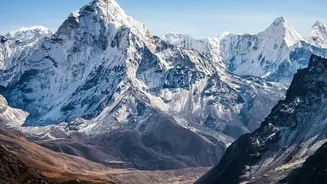
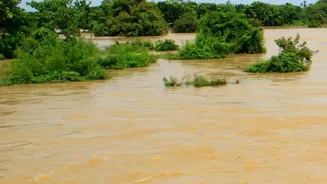
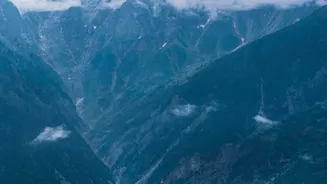
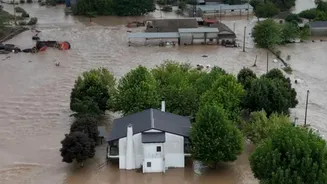
On August 26, 2026, a massive torrent of water, ice, and rock surged through the Trishuli River valley near Nepal's border with China. The disaster, which began with the collapse of a large section of rock and glacier from Langtang Lirung peak, swept
away entire villages, obliterated vital infrastructure like bridges and hydropower projects, and tragically resulted in over 1,300 deaths, with thousands more reported missing. Scientists investigating the event quickly pointed not to a single cause, but to a series of pre-existing conditions made far worse by a rapidly warming climate. The disaster served as a brutal reminder of the cascading consequences of environmental change in one of the world's most vulnerable regions.
The Himalayan Climate Time Bomb
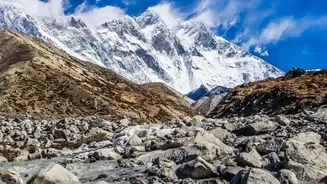
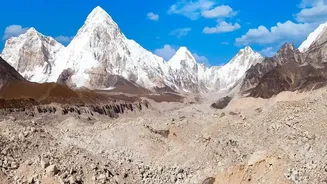
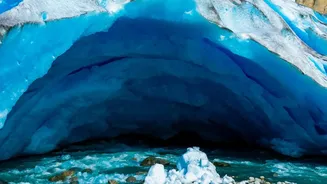
The Hindu Kush Himalaya (HKH) region, often called the “Third Pole,” holds the largest volume of ice outside the polar regions. This frozen reservoir feeds ten major river systems that nearly two billion people depend on for water, food, and energy. But this critical lifeline is under threat. The Himalayas are warming at a rate significantly faster than the global average. According to the International Centre for Integrated Mountain Development (ICIMOD), glaciers in the region disappeared 65% faster between 2011 and 2020 compared to the previous decade. Projections warn that the region's glaciers could lose up to 80% of their current volume by the end of the century if global emissions continue on their current path. This isn't a distant threat; it is an active crisis unfolding now.
From Melting Ice to Unstable Lakes
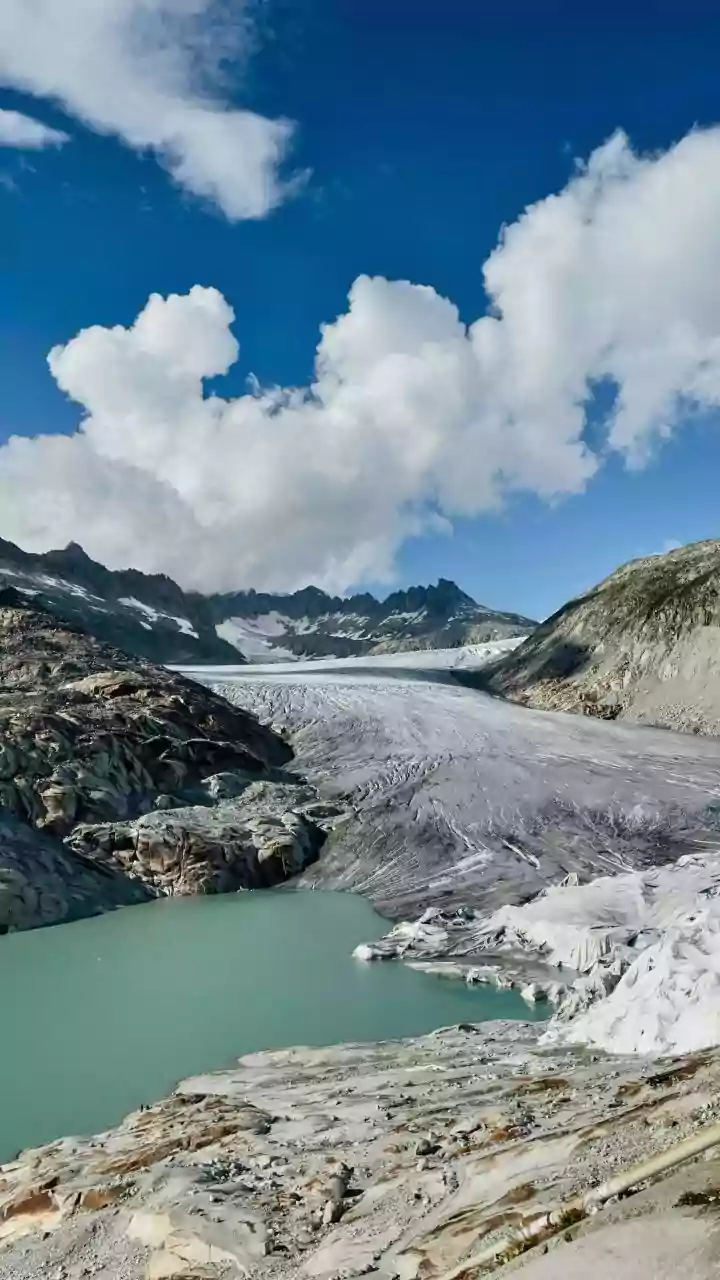
As glaciers retreat due to rising heat, they leave behind more than just bare rock. Meltwater often pools in depressions, forming vast glacial lakes. These are frequently held back only by unstable natural dams made of loose rock and soil, known as moraines. As temperatures climb, these lakes expand, putting immense pressure on their fragile dams. An earthquake, a major rockfall, or simply the pressure of the ever-increasing volume of water can trigger a breach. This results in a Glacial Lake Outburst Flood, or GLOF, a sudden and violent release of millions of cubic metres of water downstream. Across the HKH region, over 200 such lakes are now deemed dangerous, representing a ticking time bomb for communities below.
A Deadly Combination
The August 2026 disaster was a complex event, likely involving more than a simple GLOF. A recent analysis by the World Weather Attribution group concluded that human-caused global warming was a key factor in making the disaster more likely. Years of rising temperatures thinned the glacier and, crucially, thawed the permafrost—the permanently frozen ground that acts like cement, holding steep mountain rock faces together. With this natural glue weakened, and lubricated by excessive meltwater from unusually warm conditions, a massive section of rock and the overlying glacier became unstable and collapsed. This initial avalanche of debris then cascaded into the river, creating the deadly flood.
Supercharged Monsoons
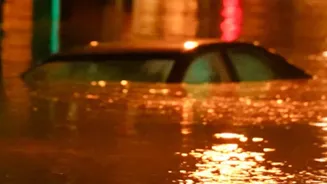
Glacier melt is only one part of the equation. Climate change is also making South Asia's monsoon season more erratic and intense. Warmer air can hold more moisture, which means that when it does rain, it often falls in extreme, concentrated downpours rather than sustained showers. These intense rainfall events can overwhelm drainage systems, trigger flash floods and landslides, and further destabilize slopes already weakened by thawing permafrost. In Nepal, the combination of accelerated glacial melt and more intense monsoon rains creates a perfect storm for disaster, where rivers are already swollen with meltwater before the heaviest rains even arrive.
Why This Matters for India
The unfolding crisis in the Himalayas is not just Nepal's problem. India shares the same mountain range and is dependent on the same glacier-fed rivers, including the Ganga, Indus, and Brahmaputra. The accelerated glacier loss and changing monsoon patterns observed in Nepal are also happening in the Indian Himalayas, increasing the risk of similar disasters in states like Uttarakhand, Himachal Pradesh, and Arunachal Pradesh. The 2021 Chamoli disaster was a stark example of these interconnected risks. The stability of the entire region—its water security, energy production, and the safety of millions living downstream—is intrinsically linked to the health of the Himalayan cryosphere. What happens in Nepal is a preview of the challenges facing the entire subcontinent.