








The Traditionalists: Filter Coffee and Espresso
For many, the only true coffee is one that is pure, strong, and unapologetic. In this camp, two titans stand tall: the South Indian filter coffee and the Italian espresso. For generations across South India, mornings have been defined by the aroma of a freshly
brewed decoction. Known simply as 'kaapi', filter coffee is more than a drink; it’s a cultural ritual of hospitality and comfort, often brewed with chicory for a distinctive, robust flavour. The process is patient—hot water dripping slowly through finely ground beans in a traditional metal filter—and the result is a potent concentrate mixed with hot milk and served in a steel tumbler and dabara. On the other side of the purist camp is the espresso drinker. This is coffee in its most concentrated form, a quick, intense shot that values efficiency and unadulterated flavour. It’s the foundation for many other drinks, but for the traditionalist, it’s perfect on its own.
The Comfort Crew: Cappuccinos and Lattes
Step into any café in urban India, and you'll find this tribe. They seek comfort, community, and a gentler coffee experience. The latte and cappuccino loyalists prefer their coffee softened with steamed milk and crowned with foam. These drinks are less about a sharp jolt and more about a warm, social experience. They are the beverages of conversation, of catching up with friends or settling in with a book. The creamy texture of the milk mellows the natural bitterness of the coffee, creating a balanced and approachable flavour. This preference isn’t just about taste; it’s psychological. Studies suggest that those who favour sweeter, milder drinks may be more sociable and seek connection, making these milky coffees the unofficial drinks of community and comfort.
The Modernists: Cold Brew and Artisanal Pour-Overs
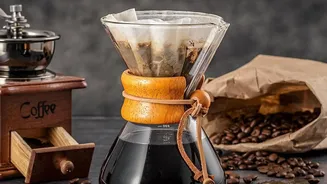
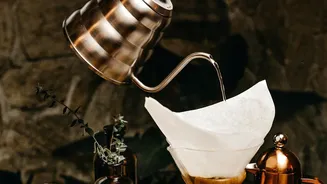
A new wave of coffee culture has swept through India’s cities, bringing with it a generation of drinkers who treat coffee like a science and an art form. This is the domain of the cold brew and the pour-over. Cold brew, made by steeping coarse coffee grounds in cold water for 12 to 24 hours, has seen a phenomenal rise in popularity. The appeal lies in its smooth, low-acidity profile, which highlights the nuanced, often fruity or chocolatey, notes of the beans. It’s a refreshing alternative, especially in India’s warmer climates. Pour-over methods, on the other hand, are about precision and control, allowing the brewer to highlight specific characteristics of single-origin beans. This group values the story behind the bean, from its origin to its roast profile, turning each cup into an artisanal experience.
The Pragmatists: Instant Coffee Devotees
In this ongoing battle, we cannot ignore the silent majority: the instant coffee drinkers. For millions across India, coffee means a spoonful of powder, hot water, milk, and sugar. While coffee connoisseurs might scoff, instant coffee’s dominance is built on unbeatable convenience and affordability. It’s the get-it-done brew for busy mornings, the reliable companion in office pantries, and for many, the very first introduction to coffee. In recent years, the consumption of instant coffee has surged, now accounting for the majority of coffee consumed in India, particularly outside the southern states. Its role is not to compete on nuanced flavour profiles but to deliver a consistent and accessible caffeine fix without any fuss. It's a practical choice, and in the daily grind of life, practicality often wins.