





A Journey Back in Time
Indian Railways has announced a unique initiative named 'Station Mahotsav' to celebrate the rich history and architectural grandeur of 103 of its heritage stations. This nationwide festival, scheduled to take place between August and November 2026, aims
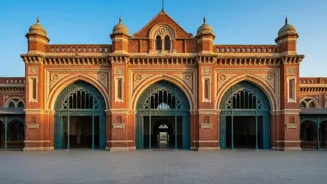
to honour the founding anniversaries of these iconic structures. The Railway Board is orchestrating the event to shine a spotlight on the 173-year-long legacy of the country's railway network. The selected stations are not just random picks; they represent a cross-section of railway history, with 72 dating back to the 19th century and 31 built in the early 20th century. This effort transforms these busy hubs into destinations for cultural immersion, connecting millions of Indians to their local and national heritage.
More Than Just Platforms
The 'Station Mahotsav' is designed to be a feast for the senses, going far beyond the daily hustle of arriving and departing trains. The Railway Board has laid out a standardized program of activities to ensure a rich and engaging experience for visitors. Attendees can look forward to historical photo exhibitions that trace the evolution of the station, along with displays of vintage railway artefacts that offer a tangible connection to the past. The celebrations will also feature the launch of a special publication, 'Virasat Smarika', and screenings of short films dedicated to the heritage of these stations. To make it a truly local affair, the events will include regional food festivals, platforms for promoting local arts and handicrafts, and even captivating laser shows at some locations in the evenings.
Spotlighting Architectural Marvels
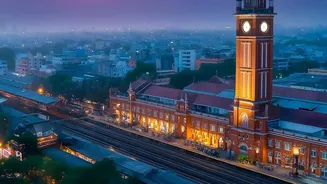
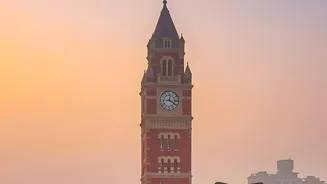
The list of 103 stations is a veritable who's who of Indian railway history, spanning the length and breadth of the country. Among the oldest are the iconic Howrah station in West Bengal and Kalyan in Maharashtra, both established in 1854, just a year after the first passenger train ran in India. The list also includes other 19th-century pioneers like Bally and Bardhaman in West Bengal (1855) and the historic Old Delhi Railway Station (1867). The celebrations aren't just limited to the earliest structures. The architectural diversity of the early 20th century is also represented, with stations like the magnificent Lucknow Charbagh (1926), Pune (1925), and Thiruvananthapuram (1931) included in the festivities. By featuring stations from different eras, the initiative paints a comprehensive picture of how railway architecture evolved to serve a growing nation.
Connecting Past and Present
At its heart, the 'Station Mahotsav' is about breathing new life into historical spaces and reinforcing their importance in the public imagination. In a country with approximately 8,000 railway stations, this initiative singles out the ones that are not just functional but are also repositories of stories and identity. These events are a powerful reminder that these stations were, and continue to be, central to the development of their towns and cities. They are places of commerce, social interaction, and architectural pride. By hosting events that celebrate local culture—from food and art to history—Indian Railways is strengthening the bond between the community and its heritage. It’s an invitation for a new generation to see these familiar places with fresh eyes, appreciating them not just as points on a map, but as cherished landmarks of our collective journey.