




Nolan’s Monumental Vision
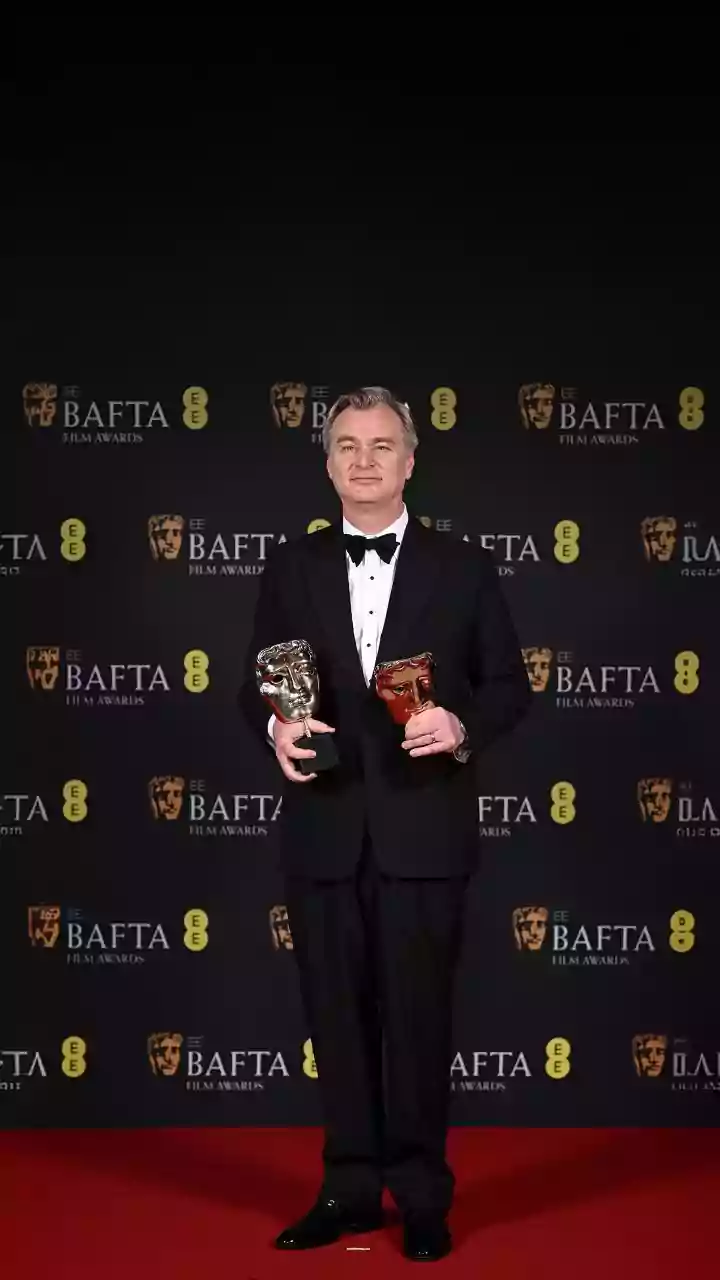
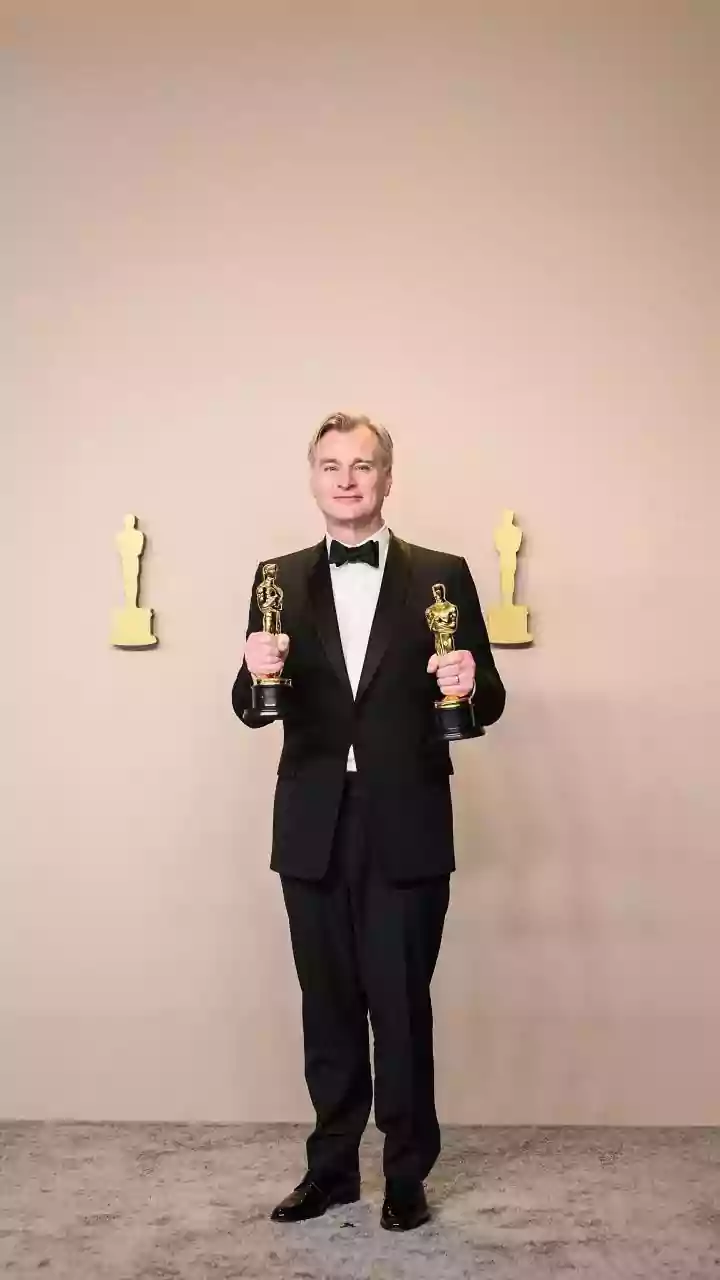
Christopher Nolan’s 'The Odyssey' is precisely the kind of grand, ambitious filmmaking audiences have come to expect from the director of 'Oppenheimer' and 'Inception'. Releasing on July 17, the film is a literal, large-scale adaptation of Homer’s epic
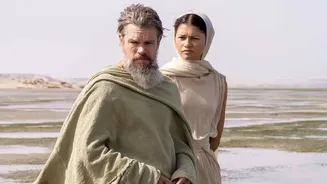
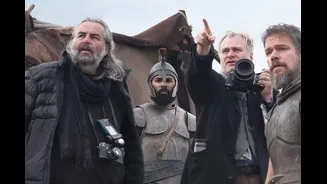
poem, a project Nolan felt filled an “odd gap in movie history”. Starring Matt Damon as the weary king Odysseus, Anne Hathaway as his wife Penelope, and Tom Holland as his son Telemachus, the film boasts an all-star ensemble cast. Shot on IMAX cameras across stunning real-world locations from Greece to Iceland, it’s a spectacle of practical effects and immense scale, costing a reported $250 million. Early reviews praise it as a “breathtaking epic” and a “masterpiece,” noting Nolan has reinvented the legend as a story of postwar disillusionment and the psychological trauma of a long journey home. It represents the pinnacle of human-led studio filmmaking: a singular artistic vision executed over years with a massive budget and a world-class crew.
The Algorithm’s Answer
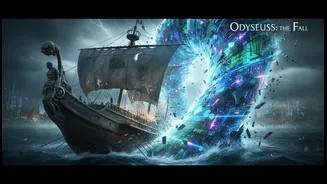
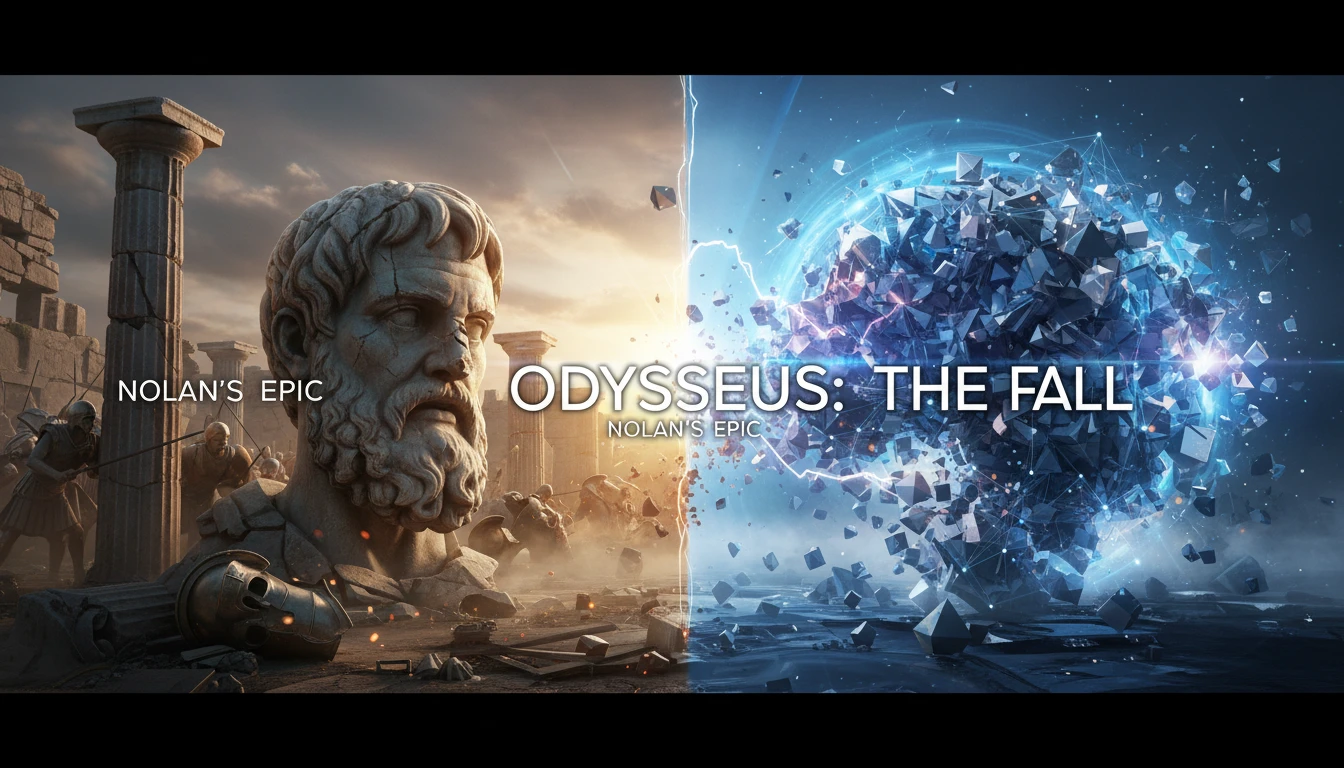
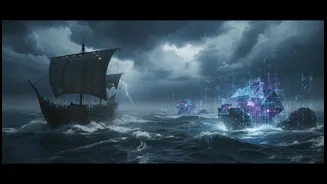
Arriving in its wake is 'Odysseus: The Fall,' a 135-minute feature film created entirely with generative artificial intelligence. The project comes from AI film studio Fountain 0 and its creator, Ash Koosha, who produced the movie in just three months of part-time work for a fraction of a Hollywood budget. The studio deliberately timed the release to follow Nolan’s blockbuster, hoping to spark a comparison and showcase AI’s potential to “democratize” ambitious filmmaking. However, the reception to its teaser has been harsh. Critics have derided the output as “AI slop” and “absolutely ghastly,” pointing to uncanny character movements and generic, soulless imagery that feels amalgamated from other, better movies. This version aims to tell the story as the “fractured memory of a drowning man,” but its execution has raised more questions about AI’s limitations than its capabilities.
Two Paths to an Epic
The contrast between the two films could not be more stark. Nolan’s project is a testament to meticulous craft, with the director spending years developing the script and months shooting around the globe to capture a tangible reality. It is an exercise in authorship and control. 'Odysseus: The Fall', on the other hand, was built through prompts fed into AI models like Kling, with the creator admitting the script remained open to interpretation even during post-production because “the risks don’t exist.” This highlights the core debate at the heart of AI in art: creation versus generation. Nolan’s film is imbued with intent, exploring specific themes of PTSD and the cost of war that resonate with his previous work like 'Oppenheimer'. The AI film, while visually impressive in moments, is seen by many as a sophisticated collage, a technical feat lacking a coherent soul or a unique point of view.
What Is the Soul of a Story?
This unexpected duel of Odysseys forces a fundamental question: What makes a story resonate? Is it the sequence of events—a hero’s journey that an AI can be trained to replicate? Or is it the human experience embedded within the narrative—the struggle, the sacrifice, and the vision of the storyteller? Nolan himself recently expressed skepticism about AI’s role in art, praising audiences for rejecting what he termed “AI slop.” The critical consensus suggests that while an AI can assemble the plot points of an epic, it struggles to convey the deeper meaning. Reviewers found Nolan’s film to be a powerful commentary on disillusionment and humanity. In contrast, the AI film is being positioned by its makers as a curiosity and a technical demonstration. The very existence of both at once suggests that while the tools of creation are rapidly changing, the value of a singular, passionate human vision remains the core of powerful cinema.