



The Season's Big Shift: Post-Monsoon Readiness
The most significant change for Indian gardens in September is the transition away from the peak monsoon. The constant downpours of July and August begin to subside, giving way to more intermittent showers and milder sunshine. This is the primary "update"
to contend with. Your first task is to assess and recover. Heavy rains can compact soil and wash away essential nutrients. Begin by gently loosening the soil around your plants to improve aeration. This is also the time for a thorough clean-up. Prune any dead, damaged, or yellowing leaves and branches to prevent fungal diseases from taking hold in the humid conditions. Removing debris not only improves the health of your plants but also discourages pests that thrive in decaying organic matter.
Replenish Your Soil for a Strong Start
After a season of heavy leaching from the rains, your soil is hungry for nutrients. September is the perfect month to amend your garden beds and pots. Before sowing new seeds, enrich the soil by adding well-rotted compost, vermicompost, or aged cow manure. This replenishes the nutrients needed for the next cycle of growth and dramatically improves soil structure. For potted plants, consider a mix of garden soil, compost, and cocopeat to ensure it remains light and well-draining—a crucial factor to prevent root rot after the wet season. Applying a layer of organic mulch, such as dried leaves or straw, can also help retain the residual moisture from the monsoon while suppressing weeds.
Sowing for Winter: Vegetables to Plant Now
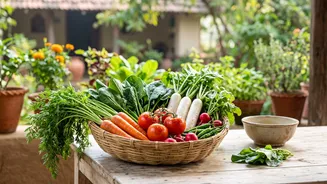
September is prime time for sowing the seeds of your winter vegetable harvest. The cooler, pleasant weather is ideal for a wide variety of crops that will flourish in the coming months. Leafy greens like spinach (palak) are an excellent choice, as they are easy to grow and love the cool season. This is also the perfect time to start cool-season vegetables such as carrots, radishes, beetroot, cauliflower, and cabbage. Tomatoes, which struggle in heavy July and August rains, perform exceptionally well when planted in the post-monsoon climate of September. For those with space, it's also a great opportunity to plant peas and broad beans. Many of these can be started in seed trays for transplanting later or sown directly into your prepared beds.
A Riot of Colour: Flowers and Herbs for the Season
It's not just about vegetables; September is the foundational month for a spectacular winter flower display. This is the ideal time to sow seeds for classic winter bloomers like marigolds, pansies, petunias, calendula, and sweet peas. These varieties will establish strong roots before winter sets in, rewarding you with vibrant colours through the cooler months. For your herb garden, September’s mild climate is perfect for sowing coriander (dhaniya), which tends to bolt in extreme heat. Other herbs like parsley, dill, and mint also thrive when planted now, ensuring a fresh supply for your kitchen throughout the autumn and winter.
Managing Post-Rainfall Pests
The shift in weather can unfortunately bring out a new wave of pests. The lingering humidity creates a favorable environment for fungal infections like powdery mildew, while pests such as aphids, mealybugs, slugs, and snails become more active. Regular inspection is your best defense. Check under leaves and around the stems of your plants every few days. For many common pests, a simple organic solution like a neem oil spray can be highly effective and is safe for edible plants. Ensuring good air circulation by not overcrowding plants can also significantly reduce the risk of fungal diseases. Simple barriers like crushed eggshells can deter snails and slugs from feasting on your new seedlings.