







A Taste of Home in Orbit
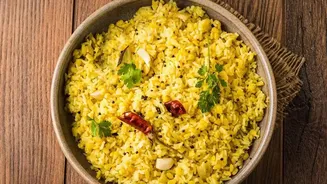
The plan was ambitious and deeply resonant. As Indian astronaut Shubhanshu Shukla prepared for the Axiom Mission 4 (Ax-4) to the International Space Station (ISS), a taste of home was being readied to join him. Mysuru's esteemed Defence Food Research
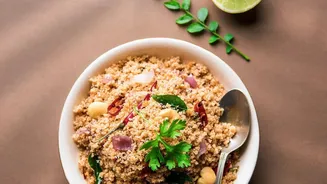
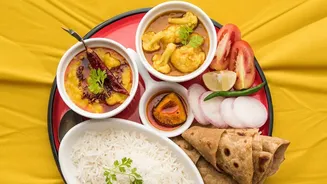
Laboratory (DFRL), a lab under the DRDO, took on the challenge of creating a space-ready version of khichdi. The goal was to provide not just sustenance, but a comforting, familiar meal for an astronaut thousands of kilometres from Earth. This effort was part of a larger initiative to qualify a variety of Indian foods for the country's upcoming Gaganyaan mission, making the Ax-4 flight a crucial testing ground. The menu preparation wasn't just about food science; it was about national pride and carrying Indian culture into the final frontier.
The Science of a Space Meal
Sending food to space is far more complex than packing leftovers. Every item must undergo a rigorous qualification process. Space food needs to be shelf-stable for long durations without refrigeration, nutritionally balanced, and safe to consume in a microgravity environment. This means no crumbs that could float into sensitive equipment and no excess moisture. For the Ax-4 mission, DFRL developed special preservation techniques to ensure the meals were safe and had a long shelf life. The dishes, including the proposed khichdi, had to be low on spice and oil to comply with the strict dietary rules for astronauts. Before any mission, astronauts participate in tasting sessions to finalize their 'bonus food' menu, which supplements the standard fare available on the ISS. Shukla himself sampled numerous dishes to help decide the final list.
So, Why Was Khichdi Grounded?
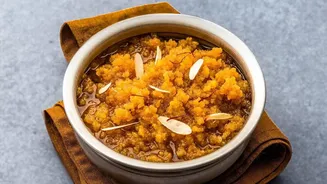
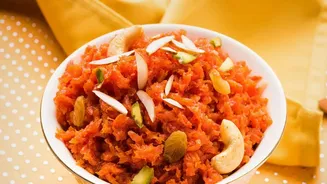
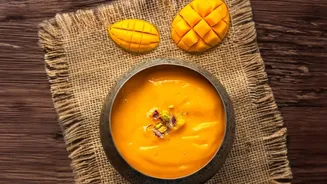
Despite the careful preparation, khichdi, along with other planned dishes like pulao, did not make it onto the final flight manifest for the Ax-4 mission. In a recent podcast interview, astronaut Shubhanshu Shukla revealed the primary reason: time. The extensive testing and qualification process required by NASA is lengthy, involving multiple rounds of checks for safety, stability, and nutrition. While DFRL had an ambitious list of foods they wanted to certify, there simply wasn't enough time to complete all the necessary tests for every item before the launch. As a result, only three Indian items successfully cleared the entire qualification process in time: Gajar ka Halwa, Moong Dal Halwa, and Aamras (mango puree).
A Sweet Slice of India in Space
While the savoury dishes were left behind, the three sweet delicacies that did make it aboard were a hit. Shukla shared the Indian sweets with his international crewmates from the US, Poland, and Hungary, who reportedly enjoyed them immensely. In a gesture of camaraderie, Shukla did not get to eat any of the Indian food himself, as it was all shared among the crew. The mission highlighted the power of food to bring people together, even in the most extraordinary of settings. Shukla's crewmates brought their own national flavours, including Polish pierogi and Hungarian 'space chocolate', turning the ISS into a hub of international culinary exchange.
The Future of Desi Food in Orbit
This isn't the first time Indian food has travelled to space. In 1984, Rakesh Sharma's menu, also supplied by DFRL, included suji halwa, aloo chole, and vegetable pulao. More recently, idli has also been prepared for future missions. The experience with the Axiom-4 mission, while a partial setback, provides invaluable data for DFRL as it continues to develop a comprehensive menu for India's own Gaganyaan astronauts. The time-consuming nature of the certification process is now a known quantity, and work can proceed with this in mind. Though khichdi missed this flight, the dream of having a full Indian thali in orbit is closer than ever. This attempt was not a failure, but a crucial step in a much longer journey to establish a permanent Indian presence, and palate, among the stars.