







Moving Beyond the Safari Jeep
For decades, the quintessential Kaziranga experience has been the elephant or jeep safari, a thrilling ride through the core areas of the park. While undeniably popular, this model has led to congestion in the main tourism zones, particularly the central
and western ranges. The heavy focus on a few key areas puts pressure on the park's delicate ecosystem and concentrates tourism revenue, often bypassing the communities living in the buffer zones. Recognizing these limitations, the Assam government and park authorities have initiated a strategic shift. They are preparing a new roadmap that aims to diversify tourist activities, spreading the economic benefits and reducing the ecological footprint. This involves looking beyond the core areas and developing new experiences that offer a more holistic and sustainable way to appreciate this UNESCO World Heritage Site.
A New Blueprint for Eco-Tourism
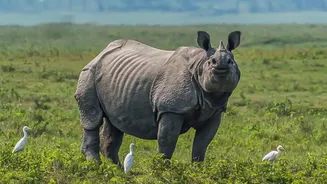
The new strategy involves developing and promoting attractions in the park's fringe areas, creating a more comprehensive tourism circuit. Instead of only chasing rhino sightings, visitors will have options for guided nature walks, bird-watching tours, boat safaris on the Brahmaputra, and cycling expeditions. These activities not only offer a different perspective on Kaziranga's incredible biodiversity but also draw tourists to less-congested areas. There is also a push to improve infrastructure with an eco-friendly focus, including better accommodation and more streamlined digital booking systems. In early 2026, a public-private partnership launched the 'Kaziranga Heritage' resort, a property designed to blend with the local ecology and history, signaling a move towards high-quality, sustainable hospitality. The goal is to enhance the visitor experience while ensuring it remains respectful of the environment.
Putting Local Livelihoods First
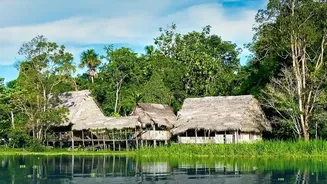
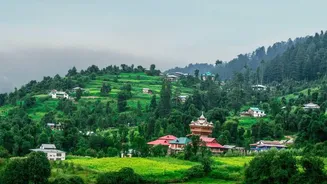
At the heart of this new push is the principle that conservation is most effective when local communities have a direct stake in it. The government's plan explicitly focuses on creating livelihood opportunities for people in villages surrounding the park. By training and employing local youth as guides for birding and nature tours, or supporting community-run homestays and eco-shops, the model ensures that tourism revenue flows directly into the local economy. This financial empowerment creates a powerful incentive for villagers to become active partners in conservation. When livelihoods depend on a healthy park, communities become its strongest defenders, helping to mitigate human-wildlife conflict and reduce dependency on forest resources. The Assam Forest Minister has emphasized a participatory approach, inviting stakeholders to help shape a strategy that delivers tangible benefits to everyone involved.
Year-Round Engagement and Conservation
One of the major challenges for tourism-dependent livelihoods in Kaziranga is the seasonal nature of the park, which closes during the monsoon floods from roughly June to September. To address this, authorities are exploring ways to promote tourism-related activities during the off-season in areas outside the core zones that are not affected by floods. This could provide a more stable, year-round income for guides, hotels, and other service providers. By generating more revenue through responsible tourism, the park can better fund its conservation efforts, including habitat management and wildlife protection. This creates a self-sustaining cycle: tourism funds conservation, and a well-preserved park attracts more conscientious tourists. The strategy is clear—to build a robust tourism economy that doesn't compromise Kaziranga's ecological integrity.