





The Irresistible Allure of Chips
Let’s be honest: there’s a certain magic to a bag of potato chips. They are perfectly engineered for satisfaction. The combination of salt, fat, and that unmistakable crunch makes them incredibly moreish. Chips are the go-to snack for parties, movie nights,
and midday slumps. They are convenient, widely available, and deliver a consistent sensory experience. But that satisfaction comes at a cost. Traditional potato chips are often high in calories, unhealthy fats, and sodium, while offering very little in terms of beneficial nutrients like protein and fibre. This means they can leave you feeling hungry again shortly after eating, leading to a cycle of empty-calorie snacking.
Meet the Challenger: Roasted Pulses
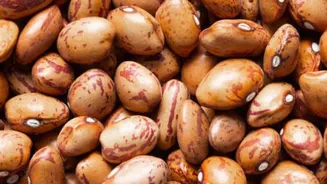
Pulses are the edible seeds of plants in the legume family, and the category includes chickpeas, lentils, and all varieties of dry beans and peas. While they have been a staple in diets around the world for thousands of years, their role as a modern, crunchy snack is a more recent development. When pulses like chickpeas or fava beans are roasted, they transform into crispy, bite-sized snacks that rival the texture of any chip. They can be seasoned with the same savoury spices you love, from simple sea salt to more complex curry or paprika blends. The key difference isn't in the crunch, but in what comes with it.
The Nutritional Face-Off
This is where roasted pulses pull dramatically ahead. A typical serving of potato chips is primarily carbohydrates and fat, with minimal protein or fibre. In contrast, roasted pulses are nutritional powerhouses. A 100g serving of roasted chickpeas can contain up to three times more protein and three times more fibre than the same amount of potato chips. Pulses are also an excellent source of essential minerals like iron, zinc, folate, and magnesium. This powerful combination of protein and fibre is what makes the crucial difference in how your body processes the snack.
Beyond Crunch: The Full-Body Benefits
The high protein and fibre content in roasted pulses does more than just improve the nutritional stats; it changes how you feel after snacking. Fibre and protein are digested more slowly, which helps to stabilize blood sugar levels and prevents the sharp spikes and crashes often associated with high-carb snacks. This leads to a greater feeling of fullness and sustained energy. In other words, a handful of roasted chickpeas is far more likely to keep you satisfied until your next meal than a handful of potato chips. The fibre in pulses also supports a healthy digestive system.
Making the Smart Switch
Switching your snack allegiance is easier than ever. Pre-packaged roasted pulses are now widely available in supermarkets, offering a variety of flavours and pulse types. However, for a healthier and more budget-friendly option, consider roasting your own. The process is simple: toss canned and rinsed chickpeas with a small amount of olive oil and your favourite spices, then roast in an oven or air fryer until golden and crispy. When buying pre-made versions, it's wise to read the label. Some commercially prepared pulse snacks can be high in added oils and sodium, which can negate some of their health benefits. Look for brands with minimal ingredients.