






The Power of a Tidy Plate
Imagine two plates of the exact same food. On one, the items are piled in a messy heap. On the other, they are arranged neatly, perhaps with a deliberate sense of order or symmetry. Which one do you think is healthier? Studies show that most people will
pick the tidy plate. Research has found that a neat and orderly food presentation significantly increases how healthy and tasty people perceive a meal to be. This happens because our brains subconsciously associate neatness with care and intentionality. When we see a well-arranged plate, we assume more effort and thoughtfulness went into its preparation. This perception of greater care translates into a belief that the food is of higher quality and, by extension, better for us. It’s an unconscious bias that influences not only our willingness to eat the food but also how much we might be willing to pay for it.
The Psychology Behind the Perception
The link between neatness and perceived health isn't just a random quirk; it's rooted in psychology. Order and structure are often mentally associated with discipline, control, and positive traits. Our brains take a shortcut, equating the visual order on the plate with the moral or health-conscious effort of the preparer. One study noted that neatly presented food was seen as being prepared with more care, which in turn increased how much participants liked the taste. This is part of a broader phenomenon known as the 'health halo' effect, where a single positive attribute—like a beautiful presentation or a label that says 'all-natural'—can lead us to view the entire product more positively. The visual appeal acts as the first piece of information our brain processes, setting our expectations for flavour and quality before we even take a bite.
Colours, Shapes, and Materials
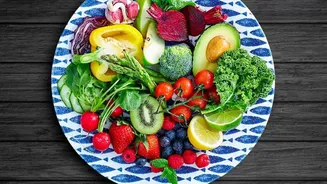
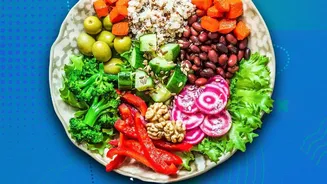
Beyond just neatness, other visual cues play a powerful role. The colour of the food and even the plate itself can dramatically alter our perceptions. Brightly coloured fruits and vegetables are often seen as fresher and more nutritious. Studies have shown that the number of colours on a plate can influence perceived healthiness, though too many colours can sometimes backfire, being seen as less healthy. The colour and shape of the dinnerware also matter. For example, some research suggests that food served on a classic round, white plate is often perceived as sweeter and more intensely flavoured. This is because the neutral background makes the colours of the food pop. Even the material of the plate can have an impact; food served on a ceramic plate is often rated as more palatable and higher quality than the exact same food served on a plastic or paper plate.
Using Visuals to Your Advantage
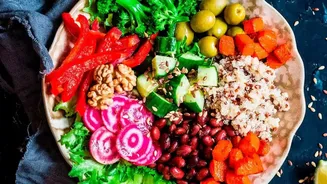
This knowledge can be a powerful tool for both consumers and cooks. For anyone trying to eat healthier or encourage picky eaters, paying attention to presentation can make a real difference. Arranging vegetables in a colourful pattern, creating a balanced and uncluttered plate, or serving a healthy meal on quality dinnerware can make it seem more appealing and enjoyable. By making healthy food look good, you can gently nudge yourself and your family toward better eating habits without changing the ingredients at all. On the flip side, it pays to be a mindful consumer. Food marketers are well aware of these psychological tricks. An artfully plated dessert or a burger presented with deliberate neatness might seem more sophisticated or even healthier, creating a 'health halo' that masks its true nutritional content. Recognizing this can help you make more informed choices based on what’s actually in the food, not just how it looks.