


Maharashtra's Ban on Analogue Paneer
The Maharashtra Food and Drug Administration (FDA) has imposed a one-year statewide ban on the manufacture, sale, and distribution of what is known as 'analogue paneer'. This decision came after an extensive inspection drive revealed that a significant
portion of paneer sold in the market was adulterated. During a year-long surveillance period, the FDA found that over 35% of 308 samples tested failed to meet quality standards, with many being classified as substandard or unsafe for consumption. The ban prohibits all activities related to non-dairy or analogue paneer, including its use in hotels, restaurants, and catering services, to protect consumers from misleading practices and potential health risks.
What Defines Real Paneer?
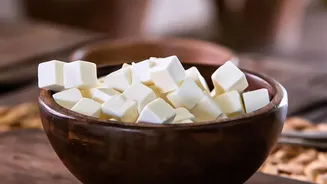
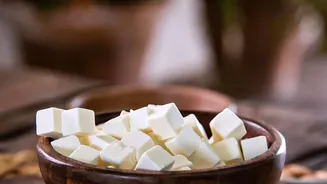
According to the Food Safety and Standards Authority of India (FSSAI), paneer has a specific legal definition. It must be made by curdling fresh milk—typically from cows or buffaloes—using a food-grade acid like lemon juice or citric acid. The rules are strict about its composition: genuine paneer must not have a moisture content exceeding 70% and its milk fat content must be at least 50% of the dry matter. Crucially, the FSSAI strictly prohibits the use of any non-dairy fats, such as vegetable oil, or fillers like starch in products sold as paneer.
The Problem with 'Fake' Paneer
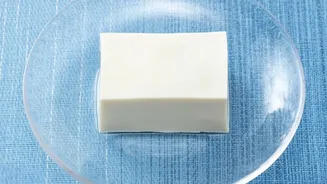
So-called 'fake' or 'analogue' paneer is a substitute designed to look and feel like the real thing but at a much lower production cost. Instead of pure milk fat, manufacturers use cheaper vegetable oils like palm oil or hydrogenated fats (vanaspati). To create a solid block, they often add binders like starch or refined flour. In more dangerous cases, the product is made from synthetic milk, a harmful mixture that can include detergents, urea, and other chemicals. These substitutes lack the nutritional benefits of real paneer, such as protein and calcium, and are essentially fraudulent products that cheat the consumer.
Health Risks You Should Know
Consuming adulterated paneer isn't just a matter of poor taste; it poses serious health risks. Products made with vegetable oils can be high in unhealthy trans fats, increasing the risk of heart disease and high cholesterol. Ingredients like starch and chemical binders are hard to digest and can cause stomach issues, bloating, and food poisoning-like symptoms. The long-term effects of consuming paneer with chemical adulterants like formalin or detergents are even more alarming, with potential links to liver and kidney damage, hormonal disruption, and an increased risk of cancer.
How to Spot the Difference at Home
Consumers can perform a few simple tests to check the purity of their paneer. Real paneer is soft and crumbles easily, while fake paneer often feels rubbery and firm. A key indicator is starch. To test for it, boil a small piece of paneer in water, let it cool, and add a drop of iodine solution. If the paneer turns blue or black, it contains starch. Another method is the heat test: pure paneer will melt slightly and brown gently when heated, whereas fake paneer made with oil may become greasy or rubbery. A sour or chemical smell is also a clear warning sign of adulteration.