






Breaking Down the Numbers
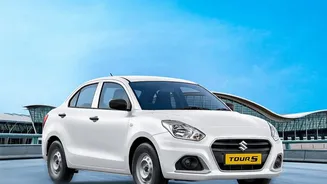
According to Maruti Suzuki, first-time buyers accounted for a remarkable 54% of its total sales during the April to August period. This represents a sharp 12-point increase from the 42% recorded in the same period a year earlier. This surge is not just
a statistic; it's a powerful indicator of a broadening market. For years, the industry has focused on replacement buyers and households adding a second car. Now, a fresh wave of customers is entering the market, providing a foundational boost to the entire automotive sector. This influx is particularly beneficial for Maruti, which has historically built its dominance on the back of entry-level models that appeal to new owners. The company's sales of mini cars like the Alto and S-Presso jumped by 96% in the same five-month window, underscoring the return of the budget-conscious first-time buyer.
The Key Driver: Improved Affordability
The primary catalyst for this trend appears to be a government-led rationalisation of the Goods and Services Tax (GST). Last year, the GST on smaller vehicles—those less than four metres long—was reduced from 28% to 18%. This significant tax cut directly lowered the on-road price of entry-level cars, making them more accessible to a wider audience. Rahul Bharti, a senior executive at Maruti Suzuki, noted that "GST 2.0 has enabled the return of the first-time car buyers, broadening the base of the market." This move has effectively brought car ownership within reach for a larger segment of the Indian middle class and consumers in emerging towns. Beyond taxes, the increased availability of easy financing options and flexible loan terms has also played a crucial role, empowering more individuals and families to make their first big-ticket vehicle purchase.
Is the Whole Industry Shifting?
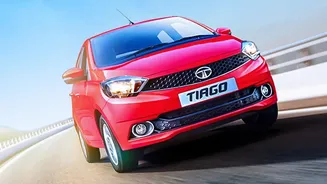
While Maruti Suzuki is leading the charge, it's not the only manufacturer benefiting from this trend. The comeback of the first-time buyer is a market-wide phenomenon. Tata Motors reported that its share of first-time buyers has increased by 6-7% over the past year. Similarly, Mahindra & Mahindra saw sales of its entry-level SUVs grow by 20% year-on-year in the first five months of the fiscal year. This collective shift suggests a deeper change in consumer behaviour and economic conditions. The post-pandemic preference for personal mobility continues to be a factor, alongside rising aspirations and better economic opportunities in rural and semi-urban areas. The overall auto industry grew by 28% year-on-year from April to August, a dramatic swing from the slight decline seen in the previous year, highlighting the broad impact of these new customers.
What This Means for the Future
The rising tide of first-time buyers has significant long-term implications for the Indian auto industry. These customers are not just a one-time sale; they represent the beginning of a long-term relationship. Carmakers that successfully capture this demographic can build brand loyalty that translates into future upgrades and additional purchases. This trend also influences product strategy. There will likely be a renewed focus on designing and marketing feature-rich, yet affordable, entry-level models. We may see more emphasis on fuel efficiency, low maintenance costs, and practical technology aimed at new owners. Furthermore, as these new buyers become a dominant force, their preferences—whether for compact SUVs, connected car features, or alternative fuels—will increasingly shape the future direction of the entire market, from product development to marketing campaigns.