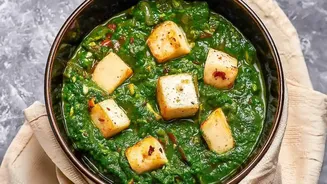




What Exactly Is the New Rule?
The Maharashtra Food and Drug Administration (FDA) has prohibited the manufacture, storage, distribution, and sale of what is known as analogue paneer. This order, issued by Food Safety Commissioner Tukaram Mundhe, took effect on July 30 and applies for
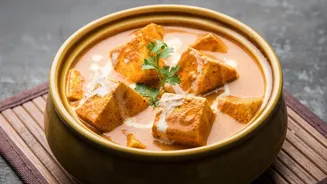
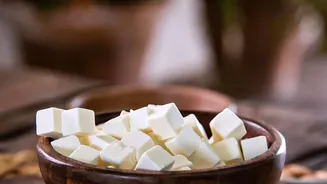
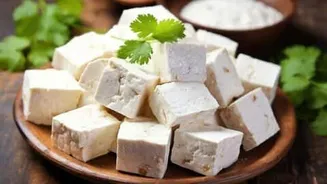
one year across the entire state. The directive explicitly includes hotels, restaurants, caterers, and cloud kitchens, forbidding them from using these non-dairy products. Essentially, any product sold or served as 'paneer' must now be the genuine article, made exclusively from milk according to standards set by the Food Safety and Standards Authority of India (FSSAI). Violations carry severe penalties, ranging from fines and up to six months in jail to life imprisonment in cases where consumption leads to death.
Why Was This Ban Necessary?
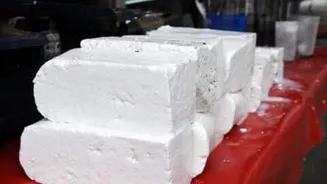
The decision was driven by alarming findings from a year-long surveillance campaign. Between April 2025 and March 2026, the FDA tested 308 paneer samples and found that over a third (35.4%) failed to meet quality standards. Of these, 79 were deemed substandard and 30 were declared unsafe for human consumption. The core issue is adulteration. Analogue paneer is often made with cheaper substitutes like vegetable oils, starch, and palm oil instead of milk fat. These ingredients not only have lower nutritional value but can also be harmful to health. The FDA found that many establishments were misleading consumers by passing off this imitation product as real paneer, constituting an unfair trade practice.
Who Is Affected by This Change?
The ban has a ripple effect across the entire food industry. Manufacturers who produced analogue paneer must now cease operations or switch to producing genuine, milk-based paneer. Distributors and wholesalers are barred from transporting or storing the banned product. For restaurants, hotels, and caterers, the order means they must source and use only authentic paneer, a move that could increase their operational costs. This also eliminates the problem of loose, unlabelled paneer being sold without any traceability, making it easier to identify sources in case of safety issues. Ultimately, the change is designed to protect consumers, ensuring they receive the product they pay for without being deceived or exposed to health risks.
What Does This Mean for the Paneer You Buy?
For consumers, this move is a step towards greater food safety and transparency. While FSSAI regulations did permit the sale of analogue products, they required clear labelling, a rule that was often flouted. The new ban simplifies things by removing the imitation product from the market entirely for a year. While some expect that the cost of paneer-based dishes at restaurants may rise due to the mandated use of genuine dairy paneer, the trade-off is guaranteed quality. The Indian Hotel and Restaurant Association (AHAR) has welcomed the decision, stating that it will bring relief to genuine businesses and that public health should not be compromised. Consumers are encouraged to be vigilant and can now have more confidence that the paneer they are eating is authentic.