







The Science of Going Slow to Get Fast
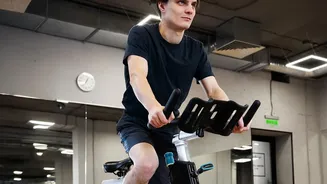
It might seem counterintuitive, but to improve your endurance, you often need to slow down. The magic happens during what coaches and exercise physiologists call Long Slow Distance (LSD) rides. These sessions are typically performed in 'Zone 2,' an intensity
level where you can easily hold a conversation. This moderate pace does incredible things for your body's engine. It stimulates mitochondrial biogenesis, which means your body creates more mitochondria—the tiny power plants within your cells. More power plants mean you can produce energy more efficiently. This type of training also strengthens your heart, allowing it to pump more blood with each beat, and increases the density of capillaries delivering oxygen to your muscles.
Training Your Body to Burn Fat
One of the most significant benefits of long, steady cycling is that it teaches your body to become better at using fat for fuel. At higher intensities, your body primarily relies on carbohydrates (glycogen), which are a limited resource. But even the leanest athlete has a vast supply of energy stored as fat. By riding at a conversational pace for extended periods, you train your metabolic system to tap into these fat stores more readily. This 'fat adaptation' is crucial for endurance. It conserves your precious glycogen stores for when you really need them, like for a final push or a steep climb, allowing you to ride longer before feeling fatigued or 'hitting the wall'.
How to Structure Your Long Ride
A 'long' ride is relative, but a good starting point is any session that is significantly longer than your typical weekday ride. This could be 90 minutes for a beginner or over three to five hours for a more experienced cyclist. The key is consistency, aiming for one such ride per week. The goal isn't speed but steady effort. Avoid big surges in power, like chasing friends up hills or sprinting away from traffic lights. Think about maintaining a smooth, consistent pace where your breathing remains controlled. You should finish feeling pleasantly tired, not completely exhausted. Remember, the adaptations happen over months, not a single session, so patience and consistency are your greatest allies.
Fuelling for the Long Haul
Even though you're training your body to use fat, you still need to fuel properly. For rides lasting longer than 90 minutes, a general rule is to consume 30-60 grams of carbohydrates per hour. For very long efforts, this can increase to 90 grams. Don't wait until you're hungry or thirsty to start fuelling. Begin taking small sips of water and eating a small snack (like a banana, energy gel, or granola bar) within the first 45-60 minutes and continue regularly. This steady intake of fuel and fluids, which should include electrolytes, prevents your energy levels from crashing and keeps you performing well to the end.
Beyond the Physical Benefits
Long bike rides offer more than just physiological gains; they are a powerful tool for mental well-being. The rhythmic, repetitive nature of pedalling can have a meditative effect, helping to reduce stress and clear your mind. These rides build mental resilience and confidence as you prove to yourself that you can push through challenges and achieve your goals. They provide an opportunity to disconnect from daily pressures, connect with nature, and simply enjoy the journey. The release of endorphins, serotonin, and dopamine during exercise also provides a natural mood boost, fighting symptoms of anxiety and depression.