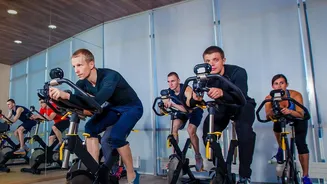







The Problem with Performance Pressure
Traditional fitness culture often glorifies intensity and competition. We see images of athletes pushing their limits, and we're told that every workout has to be harder than the last. This mindset can be intimidating and unsustainable. Many people quit
their fitness goals not from a lack of desire, but from the exhaustion of trying to live up to an unrealistic, high-performance ideal every single morning. The pressure to perform can turn a healthy habit into a source of stress, leading to burnout and inconsistency. Research shows that around 80% of people abandon their fitness resolutions within months, often citing a dip in motivation and the feeling of exercising in isolation. The solo grind isn't for everyone, and when you feel like you're falling behind, it's easy to stop altogether.
A New Goal: Consistency and Connection
Enter the philosophy behind concepts like "Sunrise Team Games." The core idea is simple but revolutionary: shift the focus from competition to consistency and from isolation to social play. The main qualification isn't how fast you can run or how much you can lift; it's just that you participate. This approach reframes exercise as a collaborative activity rather than a solo contest. By making movement a shared experience, it leverages our natural human desire for connection, which can be a powerful motivator. When a workout feels less like a chore and more like spending time with friends, you're far more likely to stick with it.
The Power of Showing Up Together
The people who achieve lasting results aren't always the most motivated—they're the most consistent. Group settings provide the structure and accountability needed to build that consistency. Knowing that a team or a workout buddy is expecting you makes it much harder to hit the snooze button. This sense of shared responsibility transforms your routine. It's no longer just about your personal willpower; it's about being part of a community. Studies have shown that people who exercise in groups have higher adherence rates and report lower levels of stress compared to those who work out alone. The energy of the group can help you push through tough moments, and celebrating small, consistent wins together builds positive momentum.
What is 'Social Play'?
The idea of "play" in adulthood is often dismissed, but it's a vital component of well-being. In the context of fitness, social play means engaging in activities where the primary goal is enjoyment and interaction. This could mean a walking club where conversation flows freely, a friendly game of frisbee in the park, or a dance class where laughter is encouraged. It could also involve light gamification, like a team-based step challenge where every member's contribution helps the group reach a collective goal, rather than competing on a leaderboard. This approach taps into the joy of movement, which research suggests is key to making physical activity a lifelong habit. When exercise is fun, it ceases to be a punishment for what you ate and becomes a celebration of what your body can do.
Building Your Own Sunrise Game
You don't need an official league to adopt this mindset. The principles can be applied anywhere. Start by finding one or two friends who share a similar goal of moving more consistently. Decide on a simple morning activity—it could be a brisk walk, a gentle yoga routine in a park, or even just a commitment to do a ten-minute online workout together via video call. Set a schedule and treat it like any other important appointment. The key is to remove the pressure of performance. Some days you'll have more energy than others, and that's okay. The victory isn't in setting a new personal best, but in showing up for yourself and for your team, day after day. This shared journey fosters a support system that makes the entire process more enjoyable and sustainable.