







Protein for Power and Fullness
Protein is what transforms a smoothie from a light snack into a legitimate meal. It slows down digestion, which helps you feel full and satisfied for hours, preventing the all-too-common post-smoothie hunger pangs. This is crucial for managing cravings
and maintaining stable energy levels. Protein also plays a vital role in repairing and building muscle, making a protein-rich smoothie an excellent choice after a workout. For a meal replacement, aim for at least 20 grams of protein. Good sources include plain Greek yogurt, cottage cheese, silken tofu, and quality protein powders (whey, casein, or plant-based options like pea or hemp). Even a scoop of nut butter or a few tablespoons of hemp seeds can provide a significant protein boost.
Fibre for Digestion and Stability
Fibre is the unsung hero of a great smoothie. Found in fruits, vegetables, whole grains, and seeds, fibre is essential for healthy digestion and regular bowel movements. More importantly, it helps to stabilise blood sugar levels by slowing the absorption of sugar into the bloodstream. This prevents the energy crash that can follow a fruit-only smoothie. To increase the fibre content, always use whole fruits like berries, apples, or pears instead of juice. Add a large handful of leafy greens like spinach or kale, which blend in easily. For a significant fibre boost, include a tablespoon or two of chia seeds, ground flaxseeds, or rolled oats.
Healthy Fats for Satiety and Absorption
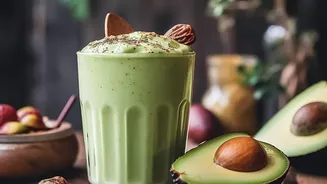
Fat is not the enemy; in fact, healthy fats are essential for a balanced smoothie. They are incredibly effective at promoting satiety, helping you feel full and preventing overeating. Fats also slow down digestion and sugar absorption, contributing to more stable energy. Furthermore, they are necessary for your body to absorb fat-soluble vitamins (A, D, E, and K) present in the fruits and vegetables in your drink. Just a small amount is needed to reap the benefits. Excellent sources of healthy fats include a quarter or half an avocado, which adds incredible creaminess, or a tablespoon of nut butter like almond or peanut butter. Seeds such as chia, flax, and hemp are also fantastic options as they provide both healthy fats and fibre.
Carbohydrates for Clean Energy
Carbohydrates are the body’s primary source of fuel, and in a smoothie, they should come from nutrient-dense sources. This is where fruits and vegetables shine. They provide the quick energy your body needs to start the day or power through a workout, along with essential vitamins, minerals, and antioxidants. Bananas are a classic smoothie base for their creaminess and potassium content. Berries like strawberries, blueberries, and raspberries are excellent low-sugar, high-fibre choices. For more complex carbohydrates that provide sustained energy, consider adding rolled oats or even cooked sweet potato. The key is to choose whole-food carbohydrates that also bring fibre to the table, ensuring a slower energy release.
Building Your Balanced Smoothie
Putting it all together is simple. Start with a liquid base like water, unsweetened almond milk, or low-fat milk. Then, follow this simple formula: 1. Choose your Carbohydrate: Add about one cup of fruit, like a mix of banana and berries. 2. Add Your Protein: Incorporate a source like a scoop of Greek yogurt or protein powder. 3. Include Healthy Fat: Add one tablespoon of chia seeds or a quarter of an avocado. 4. Boost with Fibre: Toss in a large handful of spinach or a tablespoon of flaxseed. Blend everything until smooth. This combination ensures your smoothie is not only delicious but also nutritionally complete, providing sustained energy and keeping you full until your next meal.