





Earth’s Hidden Engine
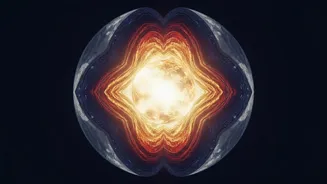
Our planet has a heart of iron. At its centre lies a solid inner core, surrounded by a vast ocean of liquid metal known as the outer core. This superheated, swirling ocean of liquid iron is not just a passive layer; it is a dynamic engine that generates
Earth's magnetic field. This field acts as a vital protective shield, deflecting harmful solar radiation and making life on the surface possible. For many years, scientists believed the flow within this core was relatively stable, with a general westward drift observed over decades. This understanding was based on subtle changes measured in the magnetic field at the surface, providing an indirect way to map the currents deep below.
An Unexpected Reversal
That stable picture was dramatically altered around 2010. Scientists detected that a large portion of the core's flow deep beneath the Pacific Ocean had suddenly reversed. Instead of its weak westward movement, a broad stream of molten iron began surging strongly eastward. This abrupt change, occurring thousands of kilometres below the surface, challenged long-held assumptions about the core's behaviour. It suggested that the deep Earth system could be far more volatile and change much more rapidly than previously thought, with significant shifts happening over the span of just a decade. The reasons for this sudden reversal remain a mystery that scientists are actively working to unravel.
Eyes in the Sky
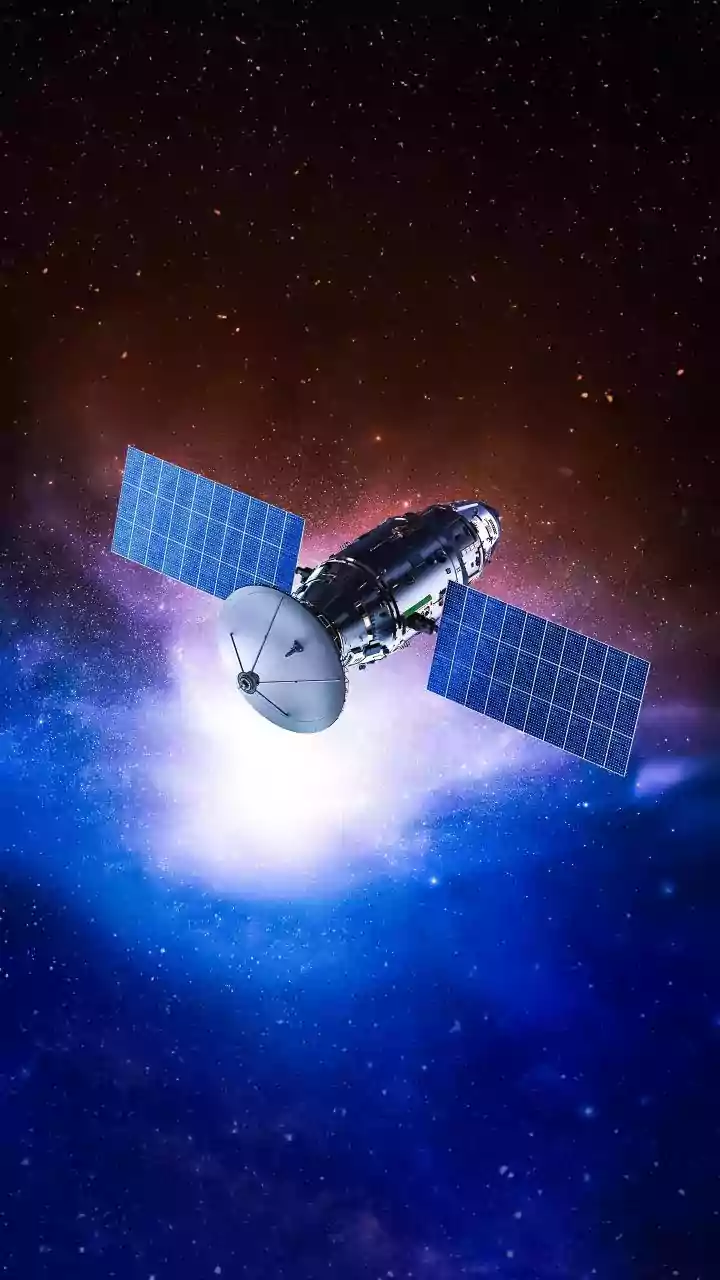
So, how can we observe an event happening at such an impossible depth? The answer lies in space, with a trio of satellites from the European Space Agency (ESA) known as the Swarm mission. Launched in 2013, these highly sensitive satellites are designed to measure Earth's magnetic field with exceptional precision. By flying in carefully coordinated orbits, the Swarm constellation can distinguish the magnetic signals originating from the core from other sources like the crust, oceans, and atmosphere. Although Swarm was launched after the 2010 reversal began, its continuous and high-quality data have been crucial for tracking the aftermath and evolution of this flow, supplemented by data from earlier missions like CHAMP and CryoSat.
Decoding the Magnetic Clues
The satellites don't see the core directly. Instead, they read the story written in the magnetic field. The flow of liquid iron in the core generates electrical currents, which in turn produce the magnetic field. When the flow changes, it causes tiny variations and wobbles in the field at the surface. These are the clues the satellites pick up. The data revealed not only the large-scale reversal but also more subtle wave-like accelerations and abrupt changes known as 'geomagnetic jerks'. These jerks are sudden shifts in the magnetic field that have been observed for decades but are now understood to be linked to rapid changes in the core's flow. The precision of the satellite data allows scientists to create increasingly detailed models of these turbulent processes.
Why This Deep Change Matters
While an event happening 2,200 kilometres underground poses no direct danger to us, understanding it is fundamental to understanding our planet. The magnetic field it generates is crucial for modern technology, including navigation systems and satellite operations. Unpredictable changes in the field can impact these systems. This reversal also provides a unique opportunity to study the inner workings of the geodynamo—the process that sustains our magnetic shield. Scientists are now exploring whether this event is a one-off fluctuation or part of a longer, repeating natural cycle. Recent data even suggests the eastward surge may already be weakening, adding another layer to the puzzle. These findings raise intriguing questions about how the outer core, inner core, and mantle are all connected, driving the next wave of deep Earth exploration from space.