






The IEA's Sobering Forecast
Speaking at Singapore International Energy Week, IEA Executive Director Fatih Birol stated he sees no 'credible pathway' for energy markets to return to the conditions that existed before the recent conflict in the Middle East began. With oil prices hovering
near $120 a barrel, Birol stressed that energy security must be the number one priority for governments and businesses. This prolonged period of high prices and market volatility, he warned, is creating major impacts on the trade deficits of many energy-importing nations. The crisis isn't just about the supply of crude oil; it's a systemic issue affecting refined products like diesel just as winter demand approaches.
It Costs More to Move Everything
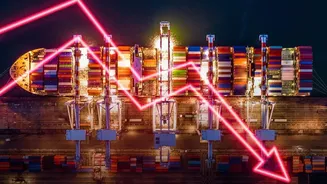
The price of energy isn't just determined by supply and demand for the commodity itself. A massive, and often overlooked, component is the cost of getting it from a producer in one part of the world to a consumer in another. This is the world of maritime shipping, and it is currently in a state of turmoil. Fuel is one of the largest operating costs for any transport vessel, so when oil prices rise, shipping companies face higher expenses. They pass these on to their customers through higher freight rates and mechanisms like a Bunker Adjustment Factor (BAF), which is a surcharge that fluctuates with fuel costs. So, as the price of oil increases, the cost to transport that same oil—and everything else—also goes up.
A 'Banner Year' for Shipping Attacks
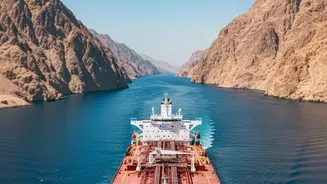
The current crisis is compounded by unprecedented physical disruptions to global shipping lanes. Geopolitical conflicts have made 2026 a 'banner year' for attacks on shipping, with more incidents recorded than in any year since the Second World War. The most critical chokepoints are under strain. The Strait of Hormuz, through which about a third of the world's seaborne oil exports pass, remains a major vulnerability. Ongoing attacks in the Red Sea have forced many vessels to avoid the Suez Canal, opting for the much longer and more expensive route around Africa's Cape of Good Hope. This rerouting doesn't just add weeks to journeys; it ties up vessel capacity, reduces the available fleet for hire, and drives up costs for fuel, crew, and war-risk insurance.
The Soaring Price of a Tanker
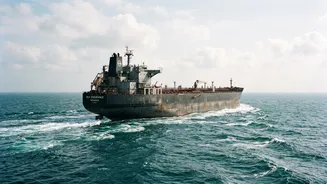
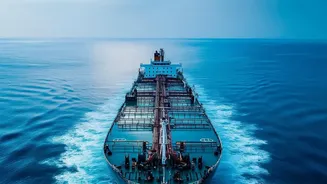
The direct impact on energy transport is staggering. According to the IEA, by mid-October, the cost of shipping crude from the Middle East to Asia on a very large tanker had surged to over $37 per barrel, more than five times its prewar level. In another example, a supertanker journey from the US to Japan that cost around $9 million last year now costs an estimated $81 million. This translates to the shipping cost alone accounting for about $40 per barrel. For some Asian refiners, who depend heavily on imported crude, these astronomical freight rates can wipe out their entire profit margin. These costs are inevitably passed down the supply chain, contributing to higher prices for petrol, diesel, and other essential goods.
Why This Matters for India
As a major importer of crude oil and liquefied natural gas (LNG), India is particularly exposed to these global shocks. Countries reliant on energy imports are the hardest hit by the dual pressures of high commodity prices and soaring transport costs. The surge in freight rates directly impacts India's trade deficit and puts upward pressure on domestic inflation, as the higher cost to land energy on its shores trickles through the entire economy. From manufacturing to logistics, everything becomes more expensive when the fundamental cost of energy and its transport rises. The IEA's warning suggests that this is not a temporary problem but a structural shift that will require a deeper focus on energy security and supply chain resilience.