

A New Danger on the Bhotekoshi
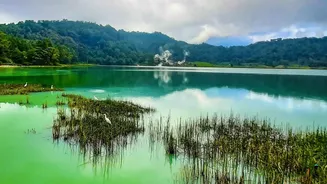
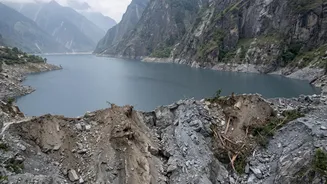
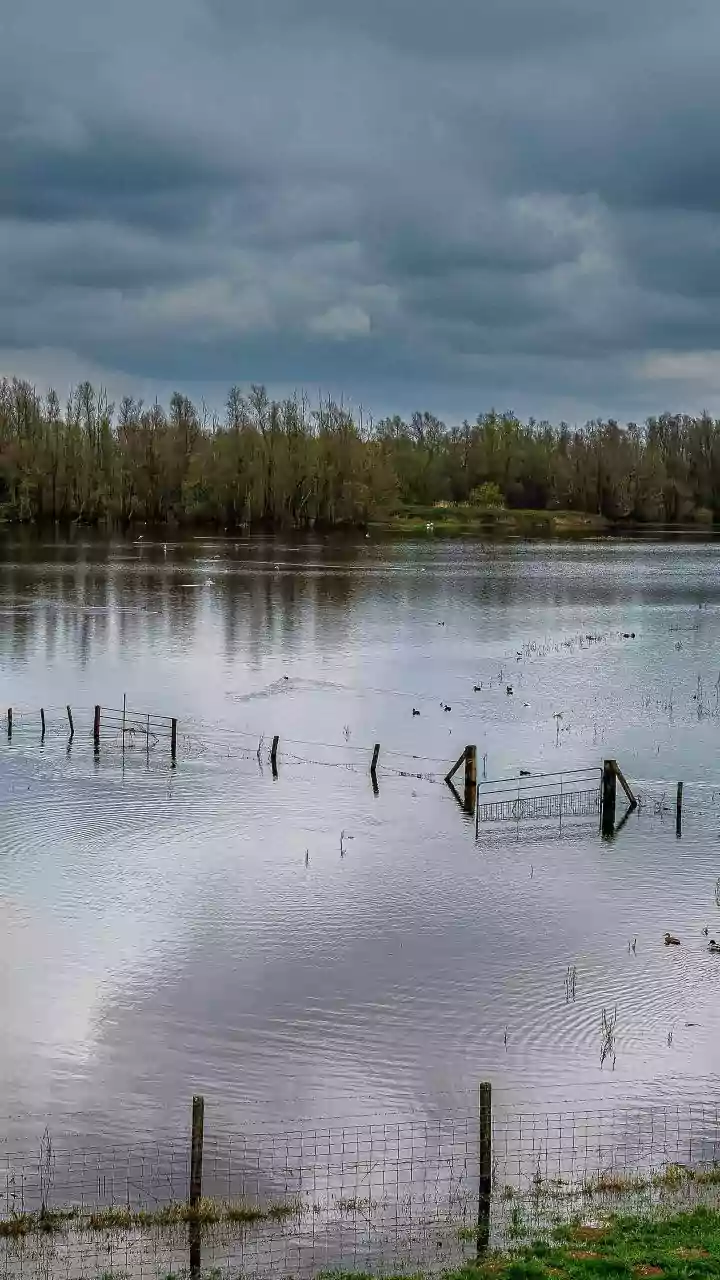
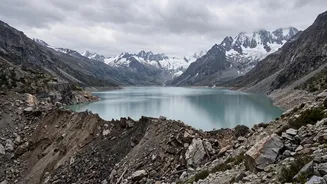
In the wake of a powerful and deadly flood that recently struck the Nepal-China border region, authorities are now on high alert for a secondary disaster. A large barrier lake has formed near the confluence of the Chhochen Khola and Purepu Tsangpo rivers,
which feed Nepal's Bhotekoshi River. This is not a natural, ancient lake; it is a new and highly unstable body of water, created by the very debris from the preceding disaster. Chinese authorities, who are closely monitoring the lake, have warned it is already overflowing and at high risk of a breach as more water is expected to flow into it.
What is a Barrier Lake?
Unlike lakes formed over millennia, barrier lakes are impoundments created when landslides, avalanches, or glacial debris block a river's flow. The dam that holds the water back is not solid bedrock, but a loose, unconsolidated pile of rock, soil, and ice. These natural dams are notoriously unstable. They can be breached with frightening speed by the sheer pressure of the water building up behind them, or by further disturbances like aftershocks or heavy rainfall. The result is known as a Glacial Lake Outburst Flood, or GLOF, a sudden and catastrophic release of immense volumes of water and debris.
The Science of a GLOF
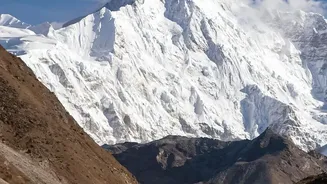
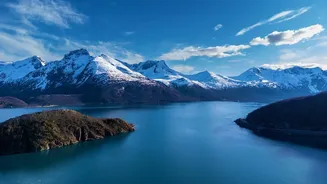
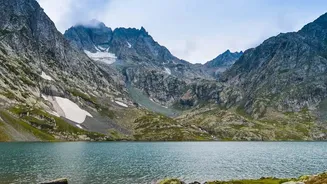
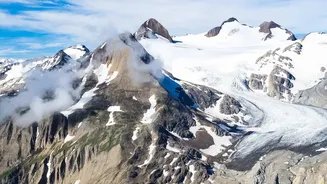
GLOFs are one of the most severe hazards in the high mountains. As global temperatures rise, glaciers in the Himalayas are retreating at an accelerated pace. This melting process doesn't just reduce the glacier's size; it leads to the formation and rapid expansion of glacial lakes. Many of these lakes are held back by moraine dams—the very ridges of rock and soil left behind by retreating glaciers. These dams can fail without warning. When they do, the ensuing flood is a terrifying torrent, gathering momentum and picking up boulders and sediment as it hurtles downstream, destroying everything in its path.
The Downstream Threat to India
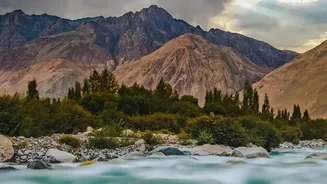
The danger is not confined to Nepal. The Bhotekoshi River, where the new lake has formed, is the main upper tributary of the Trishuli River. The Trishuli, in turn, flows into the Gandaki River, which crosses the border into India and courses through Bihar and Uttar Pradesh. This river system is a critical water resource, but also a well-known flood path. A major GLOF event in Nepal would send a devastating flood pulse downstream, threatening lives, homes, and infrastructure hundreds of kilometres away in India. Officials in Bihar are reportedly on alert, reviewing contingency plans for districts bordering Nepal.
A Race Against Time
In Nepal, rescue teams already stretched thin by the initial flood are now in a dangerous position, with authorities urging extreme caution and readiness to evacuate. For the new lake, the options are limited and fraught with peril. Monitoring is the first step, with Chinese and Nepali authorities using satellite imagery to track the lake's volume and the stability of its dam. In some past cases, controlled draining of such lakes has been attempted, but this is a complex and dangerous engineering feat at high altitude. The immediate focus is on early warning systems and moving people in vulnerable downstream areas to safer ground.