


A Sudden Plunge Over The Clouds
On August 4, 2026, passengers aboard an Air India flight from Phuket to Delhi were cruising at altitude when the aircraft suddenly plunged. The plane hit a pocket of severe turbulence, causing a rapid altitude drop of around 300 feet. In the chaotic moments
that followed, passengers and crew who were not secured were thrown from their seats, some hitting the cabin ceiling. The event was over quickly, and the pilots landed the plane safely in Delhi, but not before at least 17 people sustained injuries requiring medical evaluation. Eyewitness accounts describe a terrifying scene where unsecured people and loose objects were tossed around the cabin, reinforcing a critical lesson in aviation safety.
The Invisible Danger: Clear-Air Turbulence
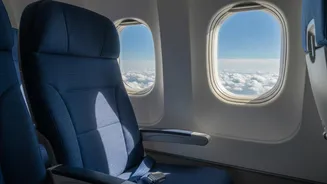
What the Air India flight likely encountered is known as Clear-Air Turbulence, or CAT. Unlike the turbulence associated with stormy weather and dark clouds, CAT is the turbulent movement of air masses in the absence of any visual clues. It often occurs at high altitudes of 23,000 to 39,000 feet, typically near fast-moving jet streams. You can think of it as invisible rapids in the sky, created when bodies of air moving at vastly different speeds and temperatures meet. This phenomenon, known as wind shear, is undetectable by conventional weather radar, meaning pilots can have little to no warning before flying into it. While forecasting is improving, CAT remains one of aviation's most unpredictable hazards.
Why The Seatbelt Sign Isn't Enough
Pilots illuminate the 'Fasten Seatbelt' sign whenever they anticipate bumpy air based on weather reports, communications from other aircraft, or when flying through known turbulent zones like mountain ranges or storm systems. It’s a crucial instruction that must always be followed. However, the very nature of Clear-Air Turbulence means it can strike suddenly in smooth, clear conditions when the sign is off. Many passengers take the extinguished light as an all-clear signal to unbuckle for the remainder of the cruise portion of the flight. As incidents like the one on the Phuket-Delhi route show, this assumption can lead directly to injury. The sign warns of known threats, but it cannot warn of the completely unknown.
Your Single Most Effective Protection
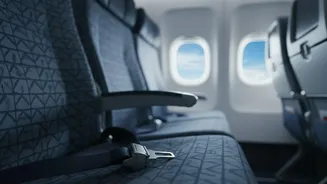
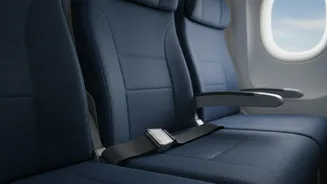
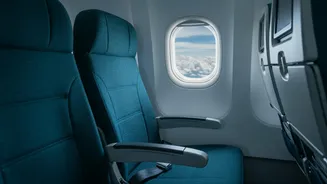
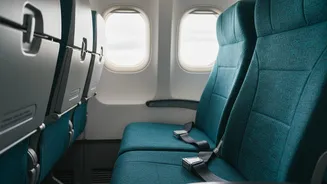
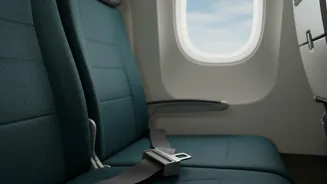
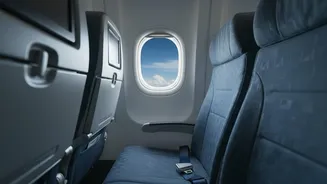
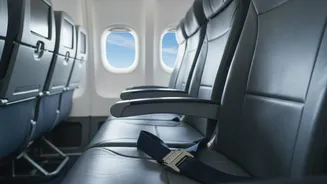
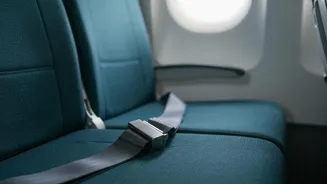
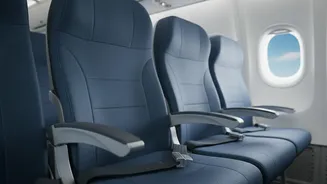
Aviation safety authorities like the Federal Aviation Administration (FAA) and aircraft manufacturers like Airbus are unanimous in their guidance: the most effective way to prevent injury from unexpected turbulence is to keep your seatbelt fastened whenever you are seated. Reports consistently show that almost all serious injuries from turbulence happen to passengers and crew who are not buckled in. When an aircraft hits a severe air pocket and drops suddenly, a fastened seatbelt keeps you anchored to your seat. Without it, your body continues to travel upwards due to inertia until it makes forceful contact with the ceiling or overhead bins. A simple, low-and-tightly fastened lap belt is the difference between a frightening jolt and a serious head injury.
Staying Secure and Reducing Anxiety
Beyond the belt, a few other habits can enhance your safety and peace of mind. Ensure any heavy carry-on items, especially laptops and tablets, are securely stowed in the overhead bin or under the seat in front of you, as they can become dangerous projectiles. If you are an anxious flyer, choosing a seat over the wings may provide a smoother ride, as this area is closer to the aircraft's centre of gravity and experiences less motion. Finally, trust the professionals. Aircraft are built to withstand forces far greater than any turbulence they encounter, and pilots are highly trained to manage these events. A moment of turbulence may be alarming, but it is rarely a threat to the aircraft itself.