





The Potent Pull of the Past
The greatest asset a relaunched brand possesses is a story that has already been written. For companies like Classic Legends, a subsidiary of the Mahindra Group, reviving names like BSA, Yezdi, and Jawa isn't starting from scratch; it's tapping into decades
of built-in brand equity. These aren't just motorcycles; they are cultural artifacts, loaded with memories of cross-country adventures and a certain rebellious spirit. This heritage provides an instant emotional connection with a segment of the market that newer brands struggle to build. Consumers, especially in a market that appreciates authenticity, are drawn to brands with a rich history. The gamble is that this nostalgia is not just for the generation that remembers the original, but can be repackaged to appeal to younger consumers who crave authenticity in a sea of homogenous products.
The Hard Realities of Regulation
Nostalgia, however, cannot bypass the law. A motorcycle from the 1970s simply cannot be sold in 2026. Modern regulations, particularly India's stringent BS6 emission norms, represent a formidable hurdle. These rules dictate a complete re-engineering of the heart of the machine. The old, charmingly simple engines are gone, replaced by sophisticated power plants with fuel injection, liquid cooling, and complex catalytic converters. Safety regulations add another layer of complexity, mandating features like anti-lock braking systems (ABS). For a relaunched brand, this is a critical and expensive challenge: how to meet modern legal standards without engineering the very soul and character out of the machine that made it famous. It's a delicate balance of compliance and character.
Modern Heart, Classic Soul
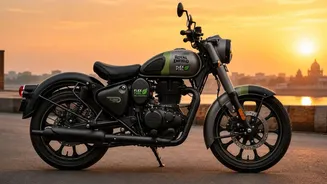
The answer to the regulatory puzzle lies in technology. The strategy for brands like BSA and Yezdi is to create a modern motorcycle dressed in classic clothing. Beneath the vintage-inspired fuel tanks and round headlamps lie thoroughly modern machines. The BSA Gold Star 650, for instance, features a 650cc liquid-cooled, single-cylinder engine with a power output that far exceeds its ancestor. Similarly, the revived Yezdi lineup includes models like the Adventure and Scrambler, which use a modern 350cc engine platform to compete directly with established players. This fusion of old and new extends to the rider experience, with digital elements often subtly integrated into classic-looking analogue displays. The goal is to deliver the reliability and performance today's riders expect, while preserving the aesthetic that triggers the nostalgic impulse.
The High-Stakes Bet on Nostalgia
Reviving a heritage brand is an expensive gamble, fueled by investor speculation on the commercial power of memory. Companies like Mahindra invest significantly in this strategy, betting that the combination of a beloved name and modern engineering will capture a profitable market niche. The initial buzz surrounding the return of Jawa, Yezdi, and BSA was immense, but the road has been challenging. Early quality issues and an ambitious multi-brand rollout tested the patience of both customers and the market. Classic Legends is now focused on steadying its course, expanding its dealer network, and proving it can compete with the dominant market leader, Royal Enfield. The company's recent growth and planned new launches show a determination to turn the initial investor excitement into long-term, sustainable profit, but the challenge remains immense in a competitive field.