

Tomatoes: Keep Them on the Counter
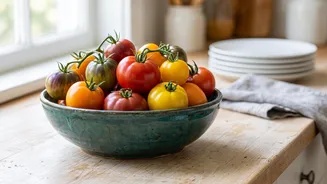
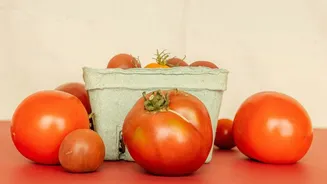
The single most-debated item in the fridge-or-not-to-fridge discussion is the tomato. Science, however, has a clear answer: keep them out. Cold temperatures are the enemy of a tomato's delicate flavour. Research has shown that chilling tomatoes below
certain temperatures halts the enzymes that produce their signature sweet, complex taste. Refrigeration also damages their cell structure, leading to a mealy, unpleasant texture. For the best flavour, store whole tomatoes on your kitchen counter, away from direct sunlight. They will ripen better and taste as they should. If you must refrigerate a tomato after it’s been cut, do so, but know that you're sacrificing some of its deliciousness for safety.
Potatoes: A Cool, Dark, and Dry Place
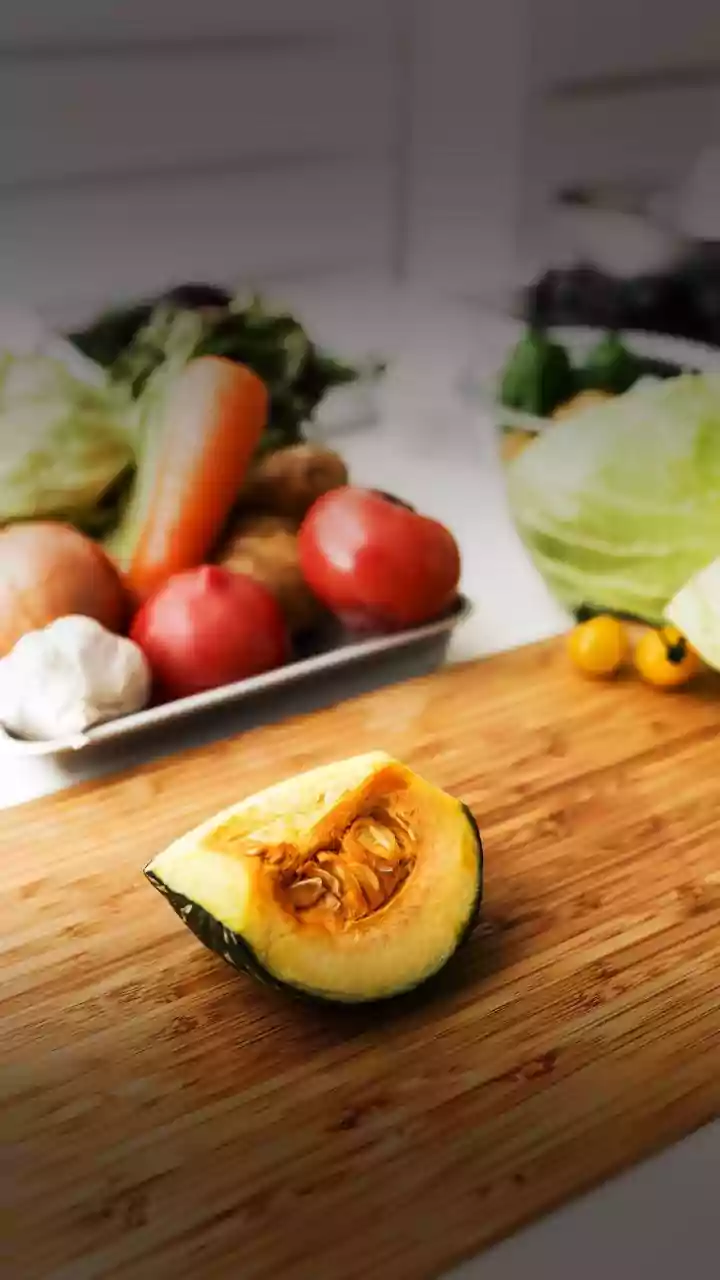
Putting potatoes in the fridge is a common mistake with undesirable consequences. The cold, moist environment encourages a process where the potato's starch is converted into sugar. This not only makes them taste oddly sweet but also affects how they cook, causing them to discolour and develop an off-flavour. The ideal home for a potato is a cool, dark, and dry place with good ventilation, like a pantry or a cupboard. Use a paper bag or a mesh bag, not plastic, to allow for air circulation. Also, be sure to store them separately from onions; the gases they each release can cause both to spoil faster.
Bread: Resist the Cold
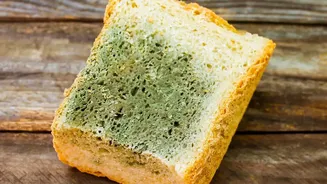
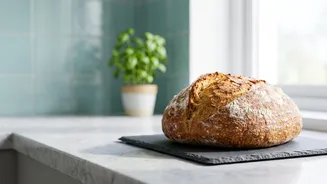
It seems logical that refrigeration, which slows down mould, would keep bread fresh. In reality, it does the opposite. The cold temperature of a refrigerator accelerates a process called starch retrogradation, which is the main culprit behind staling. This process causes the starch molecules to recrystallize and push water out, making the bread firm, tough, and dry-tasting much faster than it would at room temperature. For a loaf you plan to eat within a few days, the best place for it is in a breadbox or a paper bag on the counter. If you need to store it for longer, your freezer is the best option, as it pauses the staling process almost completely.
Onions and Garlic: Let Them Breathe
Like their companion the potato, onions and garlic thrive in a cool, dark, and dry environment with good airflow. The humidity of a refrigerator can cause them to become soft, mouldy, and sprout prematurely. Storing them in a mesh bag in a pantry or a dark corner of the kitchen is ideal. While they share similar storage needs, it's a good idea to keep onions and potatoes apart, as storing them together can hasten spoilage for both. Whole, unpeeled onions and garlic can last for months when stored correctly, but once you cut into them, any leftovers should be wrapped tightly and stored in the fridge.
Honey: A Pantry Staple
Honey is one of nature's most resilient foods; it almost never spoils, thanks to its low water content and natural acidity. There is absolutely no need to refrigerate it. In fact, keeping honey in the cold will only cause it to crystallize and solidify, turning your smooth, liquid gold into a hard, grainy mass. This doesn't mean the honey has gone bad, but it does make it difficult to use. The best way to store honey is to keep it in its original container with the lid sealed tightly, in a cool, dry pantry at room temperature.
Coffee: Protect the Beans
If you are a coffee lover who treasures the rich aroma and flavour of your beans, keep them out of the fridge. Coffee grounds and beans are porous and will readily absorb moisture and odours from the surrounding environment. Storing coffee in the refrigerator can leave you with a brew that tastes faintly of last night's leftovers. The best way to maintain the freshness and integrity of your coffee is to store it in an opaque, airtight container in a cool, dark place like a cupboard or pantry.