




A Paradise Under Pressure
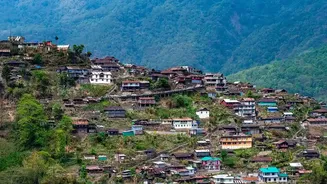
For years, Mawlynnong has been a celebrated model of ecotourism. Dubbed 'Asia's Cleanest Village' in 2003, this small community in the East Khasi Hills became a global curiosity. Visitors flocked to see its spotless lanes, bamboo dustbins, living root
bridges, and the unique Khasi culture where cleanliness is a deeply ingrained tradition passed down through generations. What started as a trickle of curious travelers soon became a flood. On busy weekends, the village of just over 100 households and roughly 600 residents could see up to 1,000 day-trippers, putting immense strain on its resources and quiet way of life. While tourism brought economic benefits, it also came with noise, litter, and a disruption to the community's peaceful rhythm.
Reclaiming Sunday for Faith and Family
The breaking point came as the constant stream of visitors began to interfere with the village's most important weekly rituals. As a predominantly Christian community, Sunday has always been a day reserved for church services, family gatherings, and rest. With tourists arriving even on Sundays, residents found themselves occupied with managing crowds and businesses instead of participating in their spiritual and community life. In response, the village council, or Dorbar Shnong, made a decisive move after careful deliberation. Effective January 2026, Mawlynnong decided to close its doors to all day-trip tourists every Sunday.
What the Sunday Pause Means
The rule is simple but firm. A small sign at the village entrance now informs visitors of the Sunday closure. While there are no physical barricades, residents at the ticket booth politely ask day-trippers to return on another day. All shops, local eateries, and public facilities for tourists are closed. The policy is aimed specifically at the large number of single-day visitors who often arrive in buses and taxis from Shillong. Tourists who are already staying in the village's homestays are welcome to remain, but the decision has drastically reduced the footfall, giving the village a guaranteed day of quiet. The goal isn't to discourage tourism, but to make it more respectful and sustainable.
A Blueprint for Sustainable Tourism
Mawlynnong’s decision is more than just a local rule change; it's a powerful statement in the global conversation about overtourism. By prioritizing its residents' well-being and cultural preservation over unchecked visitor numbers, the village is pioneering a model of responsible tourism. The move ensures that the very qualities that made Mawlynnong famous—its serene atmosphere and strong community bonds—are not eroded by its success. This deliberate pause allows residents to recharge, maintain the village's impeccable standards of cleanliness, and preserve the cultural rhythm that makes it unique. Tourism experts see this as a positive example of how destinations can protect their identity without completely shutting themselves off from the world, proving that economic development and cultural integrity can coexist.