



The Heartbeat of the Festival: Midnight Prayers
Across all regions, the core of Janmashtami remains the same: celebrating the birth of Lord Krishna, the eighth avatar of Vishnu, at midnight. Devotees typically observe a fast throughout the day, engaging in prayers, singing bhajans (devotional songs),
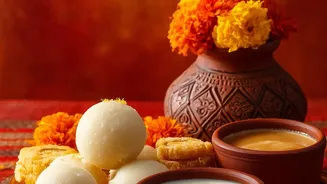
and reading scriptures like the Bhagavata Purana. As the clock strikes twelve, temples and homes erupt in joyous celebration. Bells ring, conches are blown, and the idol of infant Krishna, often called Laddu Gopal, is ceremonially bathed in milk, honey, and ghee in a ritual known as the 'abhishek'. After the midnight prayers, the fast is broken and prasad is distributed, marking the auspicious arrival of the divine child.
The Athletic Spectacle: Dahi Handi
In Maharashtra and parts of Gujarat, Janmashtami brings a thrilling and competitive spirit with the tradition of Dahi Handi. This event reenacts Krishna's mischievous childhood, where he, the beloved 'Makhan Chor' or butter thief, would form human pyramids with his friends to reach pots of curd and butter hung high up by their neighbours. Today, teams of young men, called 'Govindas', travel through their cities competing to form towering human pyramids and break an earthen pot filled with curd, which is suspended several feet in the air. It's a vibrant public spectacle, drawing huge crowds who cheer on the teams with chants of "Govinda Ala Re!".
The Gentle Devotion: Jhulan Yatra and Cradles
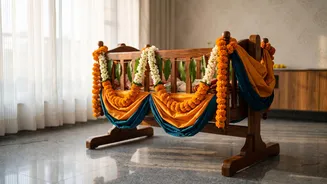
In gentle contrast to the boisterous energy of Dahi Handi, many parts of India, especially the Braj region of Uttar Pradesh and West Bengal, observe Jhulan Yatra, the swing festival. This tradition focuses on the tender, parental love for Krishna. In temples and homes, a small idol of baby Krishna is placed in a beautifully decorated swing or 'jhula'. Devotees take turns gently rocking the swing, singing lullabies and songs of love, an act that symbolizes welcoming the divine child into their hearts and homes. This ritual often begins days before Janmashtami, building a sweet, anticipatory mood for the birth celebration.
The Theatrical Heart: Ras Leela in Braj
The sacred towns of Mathura, Krishna's birthplace, and Vrindavan, where he spent his youth, are the epicentre of Janmashtami celebrations. Here, the festival is most famously expressed through Ras Leela, elaborate dance-dramas that depict scenes from Krishna's life. Professional and local artists enact his divine love story with Radha, his playful interactions with the gopis (milkmaids), and his heroic deeds. These performances, blending music, dance, and theatre, transform the entire region into a living storybook, drawing millions of pilgrims who come to immerse themselves in the spiritual atmosphere.
A Tapestry of Regional Customs
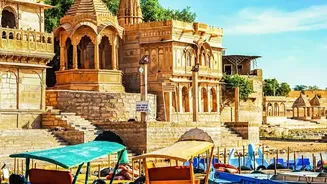
The festival's diversity continues across the country. In South India, where it is often called Gokulashtami or Ashtami Rohini, families draw tiny footprints made of rice flour, leading from the doorstep to the prayer room, symbolizing Krishna's arrival. In Gujarat's Dwarka, the temple where Krishna is believed to have established his kingdom, the idol is dressed in opulent jewellery and offerings are made in a grand, royal style. In eastern states like Odisha and West Bengal, devotees prepare elaborate food offerings and recite scriptures through the night. From the unique card-playing tradition in some Gujarati communities to the devotional songs of Manipur, each region contributes a unique thread to the rich fabric of Janmashtami.