



A Tradition of Sweetness
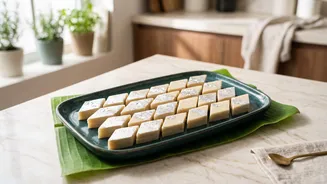
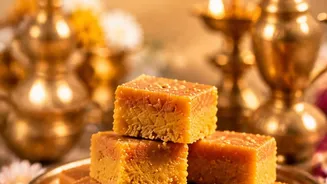
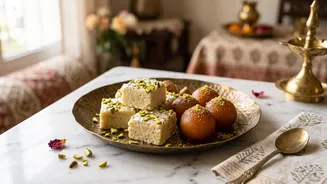
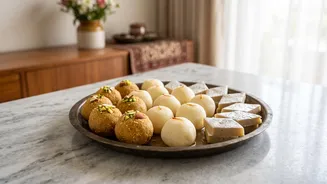
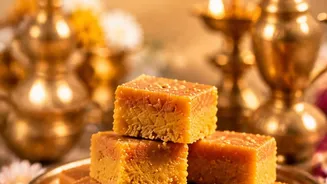
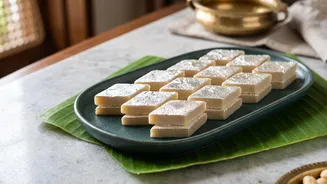
Kaju Katli, also known as Kaju Barfi, is more than just a dessert; it's a symbol of celebration in India. Exchanged between family and friends during festivals like Diwali and Raksha Bandhan, its signature diamond shape and silvery sheen represent prosperity
and joy. While readily available in shops, preparing it at home adds a personal touch and ensures you are using high-quality ingredients. The traditional method often involves mastering a tricky sugar syrup consistency, but modern, simplified recipes make it accessible even for beginners. This guide will walk you through an easy, no-fail method that delivers the smooth, rich texture Kaju Katli is famous for, without the stress.
Gathering Your Ingredients
The beauty of this recipe lies in its simplicity. You only need a handful of pantry staples to create this luxurious sweet. For a batch that serves several people, you will need: - Cashews: 2 cups (about 260 grams) of high-quality, unsalted, and unroasted cashews. Ensure they are at room temperature and completely dry to achieve a fine powder. - Sugar: ¾ cup (around 150 grams) of white granulated sugar. You can adjust this slightly depending on your preferred level of sweetness. - Water: ½ cup. - Ghee or Coconut Oil: 1 to 2 teaspoons for cooking, plus extra for greasing. Ghee adds a traditional flavour, while oil is a great vegan alternative. - Flavouring (Optional): A splash of rose water or a pinch of cardamom powder can be added for a fragrant aroma. - Edible Silver Leaf (Vark): This is purely for decoration to give the katli its classic, festive look, but it can be skipped.
The Secret to Smooth Cashew Powder
The most crucial step for a melt-in-your-mouth texture is preparing the cashew powder. The goal is a fine, flour-like consistency without letting the nuts release their oil and turn into a paste. Start with room-temperature cashews; if they are refrigerated, let them sit out for an hour. Add the cashews to a mixer or food processor and grind them using the pulse button in short bursts. Do not run the grinder continuously. After a few pulses, shake the jar and pulse again. Sifting the powder through a fine-mesh sieve is a non-negotiable step to remove any lumps or coarse pieces, ensuring an ultra-smooth final product.
Cooking the Cashew Dough
In a heavy-bottomed or non-stick pan, combine the sugar and water over medium-low heat. Stir until the sugar dissolves completely and the mixture comes to a boil. You don’t need to worry about achieving a specific string consistency with this simple method. As soon as it boils, reduce the heat to low and add the sifted cashew powder all at once. Stir continuously and vigorously to break up any lumps and form a smooth paste. Keep cooking and stirring for about 8 to 10 minutes. The mixture will gradually thicken and start to pull away from the sides of the pan, forming a single mass that resembles a soft dough. To check if it's ready, take a tiny piece, let it cool for a moment, and try to roll it into a ball. It should not stick to your fingers. Add your ghee and optional flavouring in the last few minutes of cooking.
Knead, Roll, and Cut
Immediately transfer the warm dough onto a greased surface or a sheet of parchment paper. The dough will be very hot, so let it cool just enough until you can handle it. Kneading is essential for a smooth finish. Use a spatula initially, then your hands, to knead the dough for 2 to 3 minutes until it's smooth and pliable. Be careful not to over-knead, as this can cause the cashews to release oil. Place another sheet of parchment paper on top and use a rolling pin to roll the dough out to a uniform thickness of about ¼ inch. If using, gently place the edible silver leaf over the rolled dough. Let it cool and set at room temperature for about 15-20 minutes before cutting. Use a sharp knife or a pizza cutter to slice it into the iconic diamond shapes.