



A Route of Natural Wonder and Challenge
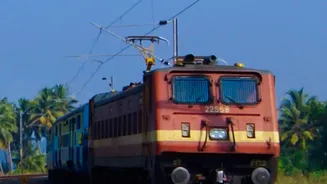
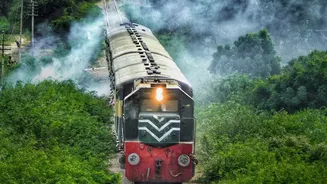
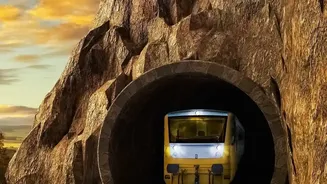
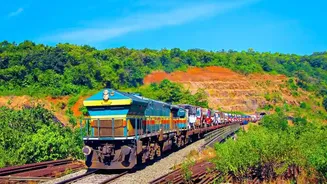
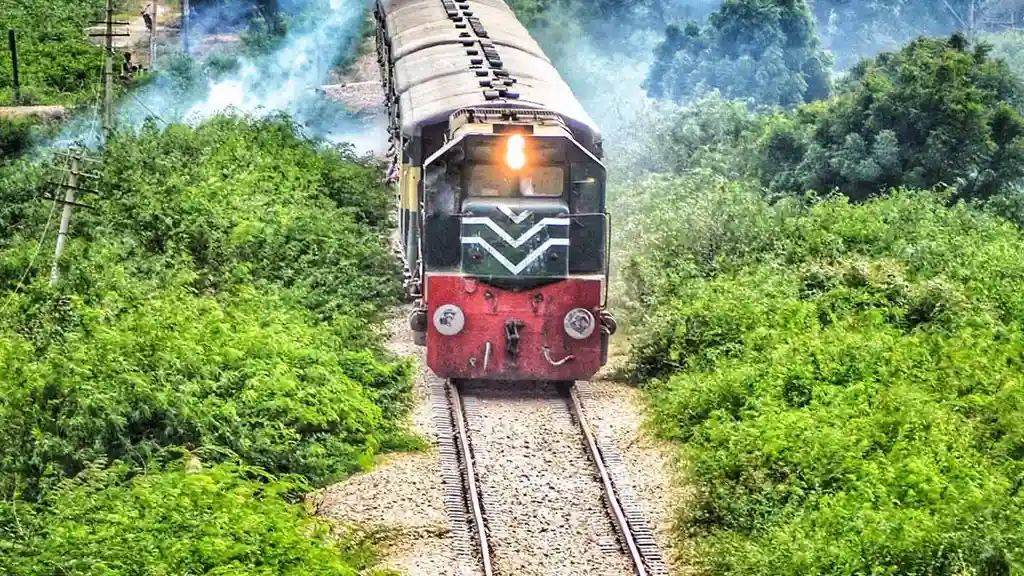
The Konkan Railway route, stretching 740 kilometres through Maharashtra, Goa, and Karnataka, is an engineering marvel celebrated for its breathtaking views of the Western Ghats and the Arabian Sea. It winds through lush valleys, over 2,000 bridges, and inside
91 tunnels. While this geography provides a spectacular travel experience, especially during the monsoon when the landscape is a vibrant green, it also poses significant risks. The region receives some of the heaviest rainfall in the country, leading to the potential for landslides, boulder falls, and track flooding, making the route one of India's most challenging to operate during this season.
Safety First: The Monsoon Timetable
To prioritise passenger safety above all else, Konkan Railway implements a special Monsoon Timetable. For 2026, this schedule is effective from June 15th to October 20th. This isn't just a minor adjustment; it's a comprehensive plan to mitigate weather-related risks. The primary change involves regulating train speeds. Loco pilots are instructed to reduce speed to 40 kmph during heavy rain and poor visibility. In situations where water levels on the tracks are too high, services may be temporarily suspended. While this can lead to longer travel times, these precautions are crucial for preventing accidents in the difficult terrain.
Intensive Patrolling and Monitoring
Behind the scenes, a massive effort is underway to keep the tracks safe. Konkan Railway deploys hundreds of patrolmen—over 650 in 2026—who conduct round-the-clock surveillance on foot, especially at night and in vulnerable, pre-identified locations. These patrolmen look for any signs of trouble, from soil slippage to obstructions on the track, and have been instrumental in preventing major disruptions. This human effort is augmented by technology. Anemometers are installed at key bridges to monitor high wind speeds, and flood warning systems are active at major river crossings. Furthermore, self-recording rain gauges at nine stations help officials track rainfall intensity in real-time.
What Passengers Should Know and Do
For travellers, the most important takeaway is to plan for flexibility. The Monsoon Timetable affects dozens of trains, including premium services like the Vande Bharat and Rajdhani Express, with revised arrival/departure times and even changes in frequency for some services. Passengers are strongly advised to verify the latest schedule before starting their journey. You can check the real-time status of your train on the official Konkan Railway website (konkanrailway.com), through the National Train Enquiry System (NTES), or by calling the helpline number 139. Given the possibility of delays, it's wise to build extra time into your travel itinerary and pack essentials like water and snacks.
Ready for Emergencies
Konkan Railway also maintains a state of readiness for any eventuality. Self-Propelled Accident Relief Medical Vans (ARMVs), equipped with operation theatres, are stationed at Ratnagiri and Verna. Accident Relief Trains (ARTs) are on standby, ready to be mobilised quickly. Communication systems are also robust, with patrol staff, loco pilots, and guards equipped with mobile phones and walkie-talkies to ensure they can contact control rooms or stations instantly during an emergency. This multi-layered safety net ensures that a response to any incident is swift and effective.