



Bhoger Khichuri: The Divine Offering
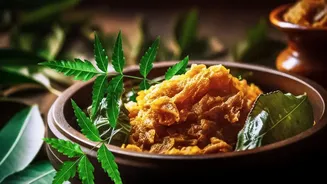
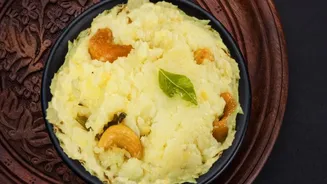
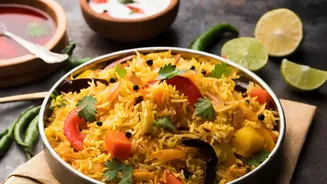
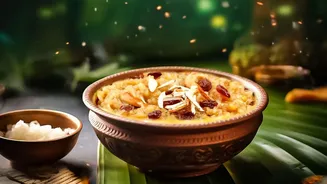
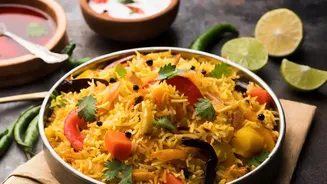
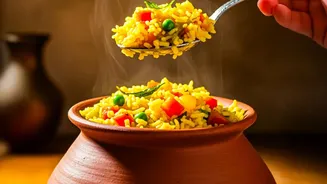
For many, the soul of Durga Puja’s flavour profile is Bhoger Khichuri. This isn't just any khichuri; it is a sacred offering prepared without onion or garlic, a hallmark of niramish (vegetarian) purity. Made with roasted moong dal and fragrant gobindobhog
rice, it's slow-cooked with seasonal vegetables like cauliflower and peas, and tempered with ghee, ginger, and whole spices. Served in community feasts at pandals, this warm, aromatic dish is considered prasad—a blessed offering from the goddess herself. Paired with labra, a gently spiced mixed vegetable medley, it represents the spirit of community and shared devotion.
Luchi and Alur Dom: The Classic Combination
A Bengali celebration is incomplete without the sight of fluffy, deep-fried bread known as luchi. Made from refined flour (maida), these small, white puris are the perfect vehicle for a variety of side dishes. During Durga Puja, the most iconic pairing is Alur Dom, a slow-cooked potato curry. Unlike its everyday counterparts, the festive version is often richer and more aromatic, with a gravy that balances spice and a subtle sweetness. This combination is a quintessential breakfast, a quick snack while pandal-hopping, or a comforting meal that brings families together around the festive table.
Kosha Mangsho: The Celebratory Indulgence
As the festival progresses, particularly on Ashtami or Nabami, the culinary mood shifts towards indulgence, and nothing signifies a Bengali feast quite like Kosha Mangsho. This is a rich, slow-cooked mutton curry where 'kosha' refers to the process of patiently sautéing the meat with spices until the oil separates, creating a thick, velvety gravy that clings to the tender mutton pieces. Flavoured with ginger, garlic, onions, and a blend of aromatic whole spices, it’s a dish reserved for special occasions. Enjoyed with hot luchis or a fragrant pulao, Kosha Mangsho is the epitome of celebratory, non-vegetarian Bengali cuisine.
Fish Fry and Kabiraji: The Pandal-Hopping Snack
Durga Puja is as much about street food and pandal-hopping as it is about traditional meals. As evening falls, makeshift stalls come alive, and the air fills with the sizzle of fried snacks. A star attraction is the Kolkata-style Fish Fry. A fillet of Bhetki fish is marinated in spices, coated in breadcrumbs, and deep-fried to golden perfection. It is often served with a side of kasundi, a pungent mustard sauce. A popular and more dramatic variation is the Fish Kabiraji, where the fried fillet is encased in a delicate, crispy net of beaten egg, adding an extra layer of texture and richness. It's the perfect, portable bite to fuel a night of celebration.
Mishti: The Sweet Conclusion
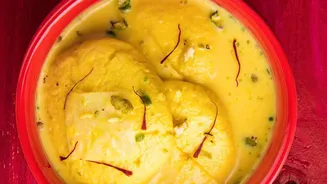
No Bengali meal, especially a festive one, is complete without a sweet ending. During Durga Puja, sweet shops work overtime, producing an incredible variety of mishti. The celebration is synonymous with iconic sweets like Sandesh, a delicate dessert made from fresh cottage cheese (chhena). Then there is Mishti Doi, a sweetened, fermented yoghurt with a caramel-like flavour and creamy texture, often served in traditional earthen pots. And of course, there's the globally recognised Roshogolla. These sweets are not just desserts; they are an integral part of the offering to the goddess and a symbol of sharing joy with friends and family during the festival.