





A Symphony of Flavor and Aroma
The magic of chamomile and honey begins with their complementary flavour profiles. Chamomile isn't just one-note; its taste is a delicate medley of floral, apple-like, and gently earthy notes. Its aroma often evokes thoughts of meadows, dried apples,
and even a hint of hay. This complexity comes from a rich blend of chemical constituents, including dozens of flavonoids and terpenoids. Honey, too, is far more than just sugar. Its composition includes a unique cocktail of volatile aromatic compounds like aldehydes and terpenes, along with organic acids. This is why different honeys—like a bright, floral acacia versus a dark, robust buckwheat—have distinctly different tastes. When you combine the two, something special happens. The natural sweetness of honey doesn't just mask chamomile’s subtle bitterness, which can emerge from compounds like flavonoids and coumarins; it balances it. Honey’s own floral and sometimes fruity notes pick up and amplify the apple-like and meadow-flower character of the chamomile, creating a rounder, fuller, and more harmonious taste experience.
The Chemistry of Comfort
On a molecular level, the partnership is even more intricate. Both chamomile and honey contain a class of compounds called flavonoids. In chamomile, one of the most significant is apigenin, which is largely responsible for the herb's famous calming reputation. Honey also contains a variety of flavonoids, including quercetin, kaempferol, and even apigenin itself, depending on the floral source. This overlap creates a synergistic effect. The compounds don't just exist side-by-side; they interact. Honey can even enhance the body's absorption of the beneficial compounds found in chamomile. The result is a beverage where the whole is truly greater than the sum of its parts. The sweetness from honey's fructose and glucose provides a gentle energy lift while the apigenin from the chamomile begins its calming work on the nervous system.
A Union of Wellness Benefits
Beyond taste, the pairing of chamomile and honey is a powerhouse of wellness. Both ingredients have long been used in traditional medicine for their soothing properties. Chamomile is celebrated for its ability to promote relaxation and aid sleep. The flavonoid apigenin plays a key role here, as it binds to receptors in the brain that help to quiet an overactive mind and reduce anxiety, making it easier to drift off. Honey complements this by helping to stabilize blood glucose levels, which is important for quality sleep. Furthermore, both possess anti-inflammatory and antimicrobial properties. A warm cup of chamomile tea with honey can soothe a sore throat, calm an upset stomach, and support the immune system, making it a go-to remedy during cold and flu season. The combination has been shown to inhibit inflammatory mediators in the body more effectively than chamomile alone, making it a true therapeutic duo.
Brewing the Perfect Cup
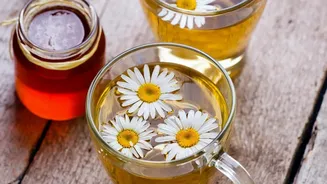
To get the most out of this pairing, preparation matters. Start with high-quality, whole chamomile flower heads, which release a much richer aroma and flavour than the dust and fragments found in some tea bags. Use water that has reached a full boil and allow the tea to steep for at least five to seven minutes; unlike many other teas, chamomile does not become unpleasantly bitter with a longer steep time. In fact, a longer infusion releases more of its beneficial compounds. Finally, wait for the tea to cool slightly before stirring in the honey. Adding honey to boiling hot water can degrade some of its delicate enzymes and aromatic compounds. A temperature that is comfortable to sip is just right for preserving the full integrity of both the tea and the honey. Choosing a raw, minimally processed honey will also ensure you are getting the maximum amount of its natural enzymes and antioxidants.