



1. Millets (Jowar, Bajra, Ragi)
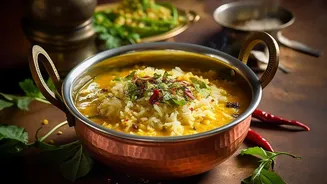
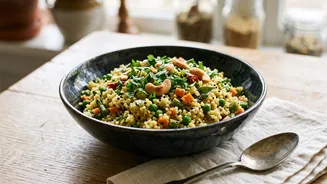
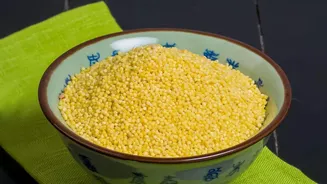
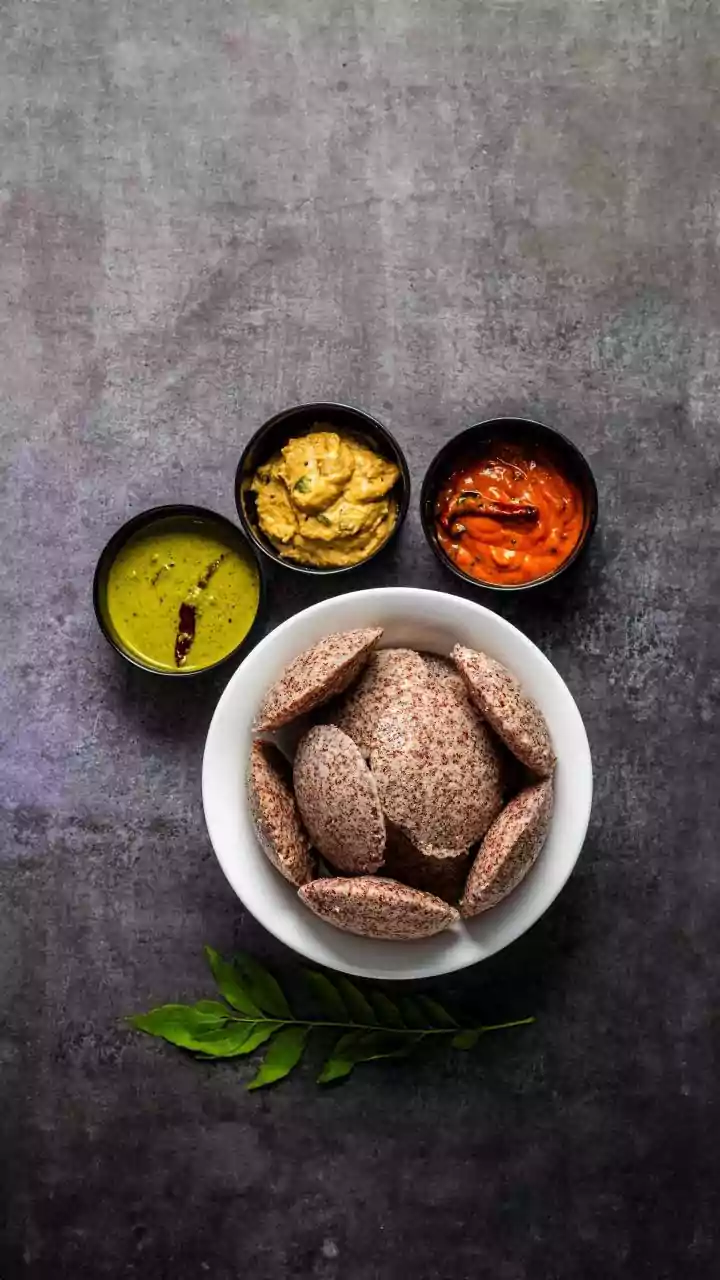
Once staple grains pushed aside by wheat and rice, millets are now celebrated as superfoods. Their resurgence is driven by a growing awareness of their health benefits: they are gluten-free, high in fibre, and have a low glycemic index, making them excellent
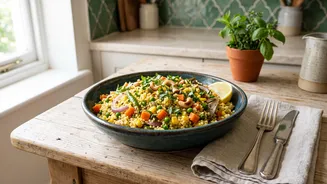
for managing blood sugar. Beyond traditional rotis and porridges, millets are now found in everything from breakfast cereals and dosa batters to baked goods and salads. This revival is supported by both government initiatives and a grassroots movement appreciating their resilience to climate change and nutritional superiority.
2. Black Rice (Chak-hao)
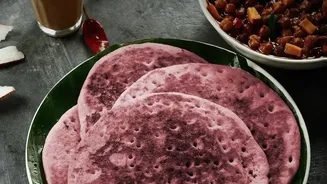
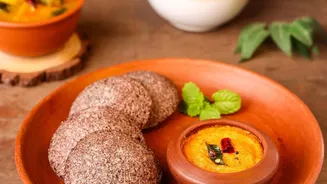
Traditionally grown in Manipur and other parts of Northeast India, this heirloom rice is no longer a regional secret. Its stunning deep purple hue comes from anthocyanins, the same powerful antioxidants found in blueberries. Black rice boasts more protein than brown rice and is a good source of iron and fibre. Chefs and home cooks are now using it to add visual drama and a nutritional boost to dishes like kheer, salads, and even risottos, transforming everyday meals into gourmet experiences.
3. Jackfruit (Kathal)
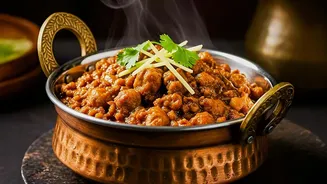
Long considered a humble backyard vegetable in India, unripe jackfruit has gained global fame as a plant-based meat substitute. Its fibrous, meat-like texture makes it a perfect stand-in for pulled pork in tacos or chicken in curries. This surge in popularity is tied to the growing vegan and vegetarian movement, with consumers seeking less processed alternatives to commercial mock meats. What was once a simple curry ingredient is now the star of burgers, biryanis, and international dishes, proving its incredible versatility.
4. Amaranth (Rajgira/Ramdana)
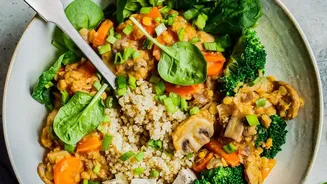
Known as the "royal grain," amaranth was traditionally consumed during fasts. Today, it's recognised as a protein-rich, gluten-free pseudocereal perfect for modern diets. Containing high levels of calcium and iron, this tiny grain is incredibly versatile. It can be cooked into a porridge, popped like corn to be sprinkled over yoghurt, or ground into flour for gluten-free baking. Its revival is driven by health-conscious consumers looking for local alternatives to imported grains like quinoa.
5. Moringa (Drumstick Leaves)
While drumsticks are a fixture in sambar, it's the leaves of the moringa tree that are gaining superfood status. Traditionally used in regional dishes, moringa leaves are now most popular in a powdered form. Packed with vitamins, minerals, and anti-inflammatory compounds, moringa powder is easily added to smoothies, teas, and even skincare routines for its health benefits. This shift from a simple vegetable to a wellness supplement highlights the modern trend of using food as medicine.
6. Edible Gum (Gond)
A staple in traditional winter sweets like 'gond ke ladoo,' this natural tree resin was primarily known for providing warmth and energy, especially for new mothers. Now, edible gum is being rediscovered for its broader health benefits, including supporting joint health. While ladoos remain popular, chefs and home cooks are experimenting with gond in other forms, such as in comforting winter drinks ('raab') or as a thickener in modern desserts, appreciating its unique texture and nutritional properties.
7. Traditional Fermented Foods
Long before kombucha became trendy, Indian households were masters of fermentation. A renewed focus on gut health has sparked a major revival of traditional fermented foods and drinks like Kanji (a fermented carrot drink), Pazhaya Soru (fermented rice), and various millet porridges. Once seen as simple, rural fare, these probiotic-rich foods are now being celebrated by nutritionists and wellness experts for their ability to support digestion and immunity, proving that our grandmothers' kitchens were labs of culinary wisdom.