




The Ritual of Filter Kaapi
For many, especially in the southern states, the day begins with the distinct aroma of South Indian filter coffee, affectionately known as 'kaapi'. This is not a grab-and-go drink; it's a process deeply woven into cultural fabric and hospitality. The
magic lies in the slow-drip brewing method using a traditional two-chamber metal filter, which produces a potent liquid concentrate called decoction. This decoction is then mixed with hot, frothed milk and sugar, creating a rich and smooth beverage. The iconic serving style in a steel tumbler and 'dabarah' (saucer) is not just for show—it helps cool the hot coffee as it's poured back and forth, creating its signature frothy top layer. The preference for filter kaapi is a preference for ritual, for a taste that feels like home, and for a connection to generations of tradition.
The Role of Chicory
A key element that defines traditional filter coffee is the addition of chicory. The roasted and ground root of the chicory plant was historically used to extend coffee supplies, but its presence became a beloved characteristic. Fans of chicory-blended coffee prefer it for the full-bodied richness, earthy aroma, and subtle sweetness it imparts, which beautifully balances the bitterness of the coffee beans. It also gives the decoction a thicker texture and a darker colour. While coffee purists might argue that chicory masks the bean's true flavour, for millions of filter coffee loyalists, a blend with anywhere from 10% to 30% chicory is non-negotiable for achieving that authentic, satisfying taste.
The Convenience of Instant
While filter coffee holds its traditional ground, instant coffee has dominated Indian kitchens for decades due to one undeniable factor: convenience. For a vast number of people, instant coffee was their first introduction to the beverage. The preference here is driven by a fast-paced lifestyle. There's no need for special equipment or a lengthy brewing process; just a spoonful of powder, hot water or milk, and sugar. This ease of preparation made it the default choice in households and workplaces across the country, a quick and reliable source of caffeine to punctuate a busy day. It represents a practical approach to coffee, where speed and simplicity are the most valued attributes.
The Social Media Sensation
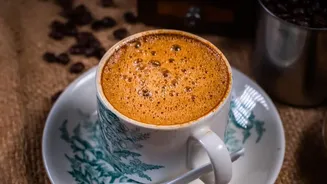
A few years ago, Indian social media feeds were flooded with images of a photogenic beverage: Dalgona coffee. Essentially a reverse latte, it features a whipped, frothy mixture of instant coffee, sugar, and hot water spooned over cold milk. While many Indians recognized it as a variation of the 'phenti hui' or beaten coffee they had been making for years, its global viral status on platforms like TikTok gave it a new life. The preference for Dalgona coffee was less about the taste—which many found to be an overly sweet and intense instant coffee experience—and more about the novelty, the visual appeal, and the shared activity of making it during lockdowns. It was a preference born out of a desire for new experiences and social connection in a digital world.
The Global Wave of Black Coffee
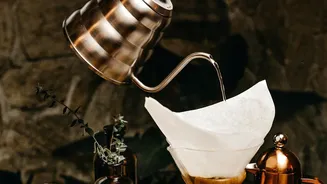
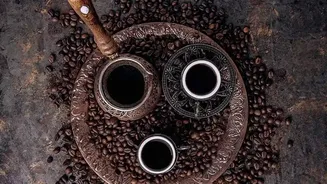
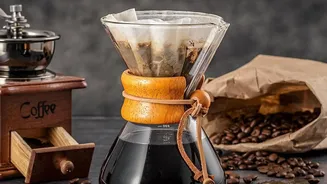
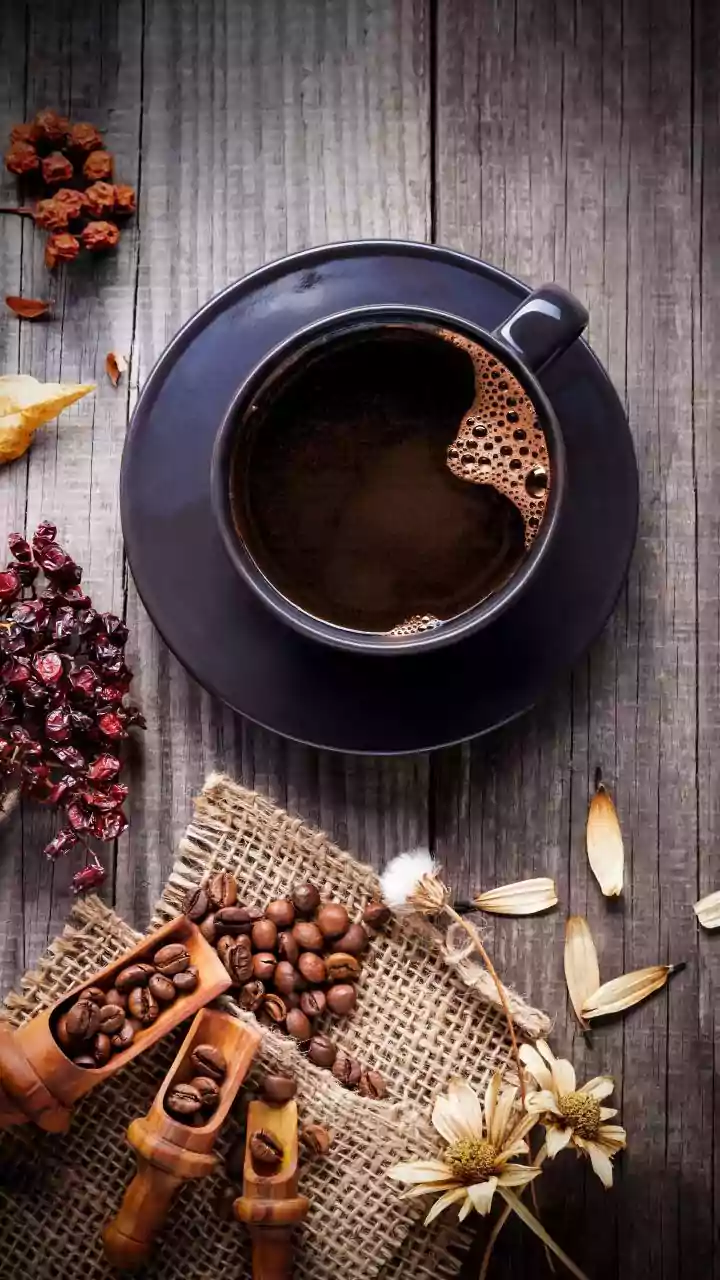
The most recent shift in Indian coffee preferences, particularly in urban centres, is the move towards black coffee. Driven by the global third-wave coffee movement and a growing health consciousness, drinks like the Americano, espresso, and pour-over are becoming increasingly popular. This preference is about appreciating the nuances of the coffee bean itself—its origin, processing, and roast profile—without the addition of milk or sugar. Choosing black coffee is often a conscious decision to move away from sugary, milky drinks towards a cleaner, more direct coffee experience. It reflects a globalised palate and an interest in coffee as an artisanal product, much like fine wine.