




Our Fields Are Under Stress
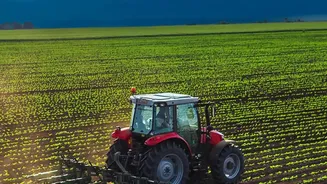
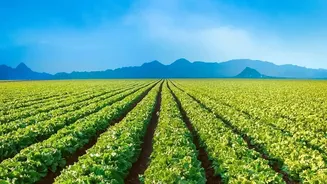
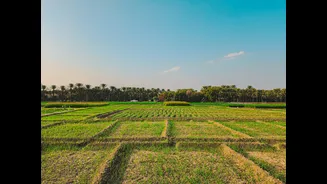
Modern farming, for all its technological marvels, has a vulnerability problem. For decades, agriculture has focused on maximising yield from a very small number of staple crops, like wheat and rice. This approach, known as monoculture, has fed billions
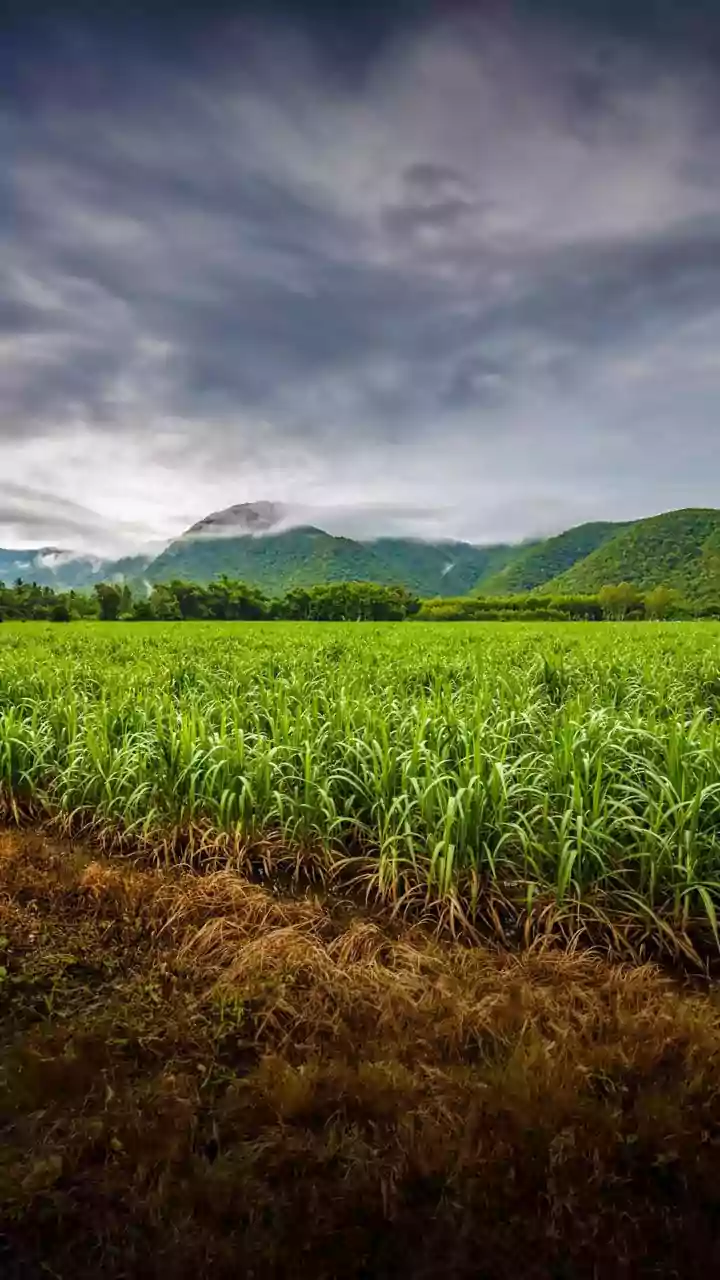
but has come at a cost. It has made food systems less resilient to pests, diseases, and, most critically, climate change. Across India, farmers are grappling with erratic monsoons, prolonged droughts, and degrading soil health. The very foundation of our food security is being challenged by a system that prioritises uniformity over diversity. This reliance on a few water-intensive, fertilizer-dependent crops is becoming increasingly unsustainable.
Rediscovering an Old Ally
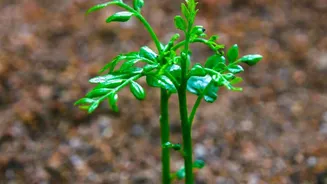
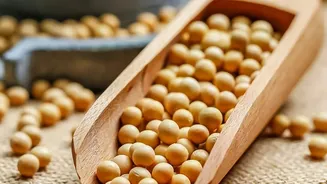
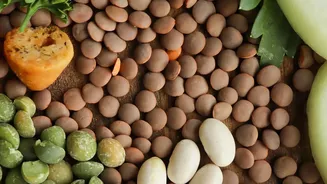
Enter the moth bean, or 'matki' (Vigna aconitifolia). For many in India, it’s a familiar ingredient, but its full potential has been overlooked for generations. The moth bean is what experts call an underutilised or 'orphan' crop—a plant that was once a regional staple but was pushed aside by more commercially dominant crops during the Green Revolution. Native to India's arid and semi-arid regions, this humble legume is now being viewed as a future-proof hero. It’s part of a global family of forgotten crops, like the African Bambara groundnut, that scientists and farmers are now re-examining as powerful tools for climate adaptation. These aren't new inventions; they are resilient heirlooms waiting to be rediscovered.
Built for a Harsher World
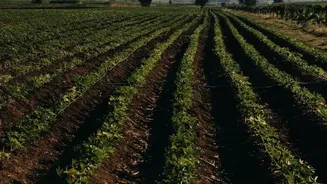
What makes the moth bean so special in an era of climate stress? Its toughness is legendary. It is one of the most drought-resistant pulses in India, capable of producing a yield with as little as 200-300 mm of annual rainfall. While other crops fail, the moth bean can thrive in daytime temperatures up to 45°C and grows well in poor, sandy soils where others struggle. But its superpower lies beneath the surface. As a legume, it fixes atmospheric nitrogen, naturally enriching the soil and reducing the need for expensive and environmentally taxing chemical fertilizers. Its dense, low-growing profile also acts as a natural ground cover, preventing soil erosion and helping retain precious moisture. It is, in essence, a crop that gives back to the land.
Why Did We Forget It?
If crops like the moth bean are so robust, why did they fall out of favour? The shift happened largely in the mid-20th century. The Green Revolution, while successful in averting famine, prioritised high-yield varieties of rice and wheat that responded well to irrigation and chemical fertilisers. This created a food system geared towards a handful of superstar crops, and traditional, regional staples couldn't compete in this new market. Factors like lower yields compared to heavily subsidised grains, longer cooking times, and a lack of formal research and development pushed these resilient legumes to the margins of agriculture. They became food for subsistence farmers, not commodities for a global market, and gradually faded from the mainstream agricultural and dietary consciousness.
The Comeback Trail
Today, the tide is turning. Researchers, agricultural scientists, and farmer-led organisations are working to bring these forgotten legumes back into the fold. Efforts are underway to improve the moth bean's yield and develop new varieties that mature faster without sacrificing its incredible resilience. The goal isn't just to save a plant, but to diversify our food basket. By promoting crops like moth beans, agricultural systems can become more stable and less vulnerable to shocks. For farmers, it offers a low-risk option that requires fewer inputs and can provide income even in a bad year. For consumers, it brings a nutritious, protein-rich food source back to the table. This revival is a conscious move away from monoculture and towards a more balanced, climate-smart approach to how we grow our food.