

The Health Halo vs. The Reality Gap
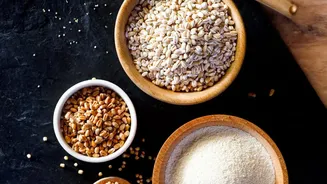
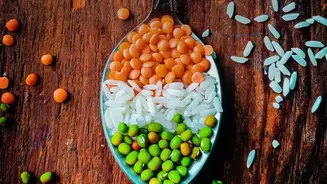
We all know someone—or perhaps we are that someone—who bought a packet of ragi or jowar with the best of intentions, only to have it gather dust in the pantry. In India, there's high awareness about the health benefits of traditional grains. They are powerhouses
of nutrition, rich in fibre, protein, and essential minerals like iron and calcium. For decades, however, they were sidelined by the Green Revolution's focus on wheat and rice, which became symbols of modernity and dietary aspiration. Now, as we rediscover these 'Shree Anna', there's a significant gap between knowing they are good for us and actually eating them. Studies show that while most people believe millets are healthy, very few consume them regularly. The primary reasons are often taste, texture, and the perceived difficulty of preparation.
The 'Practicality' Problem in Modern Kitchens
The biggest hurdle for traditional grains is that they don't seamlessly fit into the modern Indian kitchen's rhythm. For many urban households, convenience is king. The question isn't just 'Is it healthy?' but 'Can I make it quickly after a long day at work?'. Many traditional millet preparations require soaking, grinding, or longer cooking times—steps that can feel daunting. Furthermore, the taste and texture are different from the soft rotis and fluffy rice that generations have grown up on. For a grain to become a staple, it must be easy to procure, simple to cook, and delicious to eat. It has to work in a breakfast upma, a lunch tiffin, or a quick weeknight dinner. The cultural preference for wheat and rice is deeply ingrained, and simply highlighting nutritional charts is not enough to displace them.
What Makes a Recipe 'Practical'?
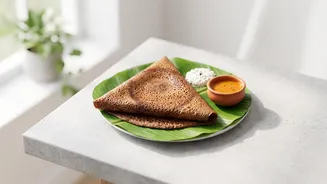
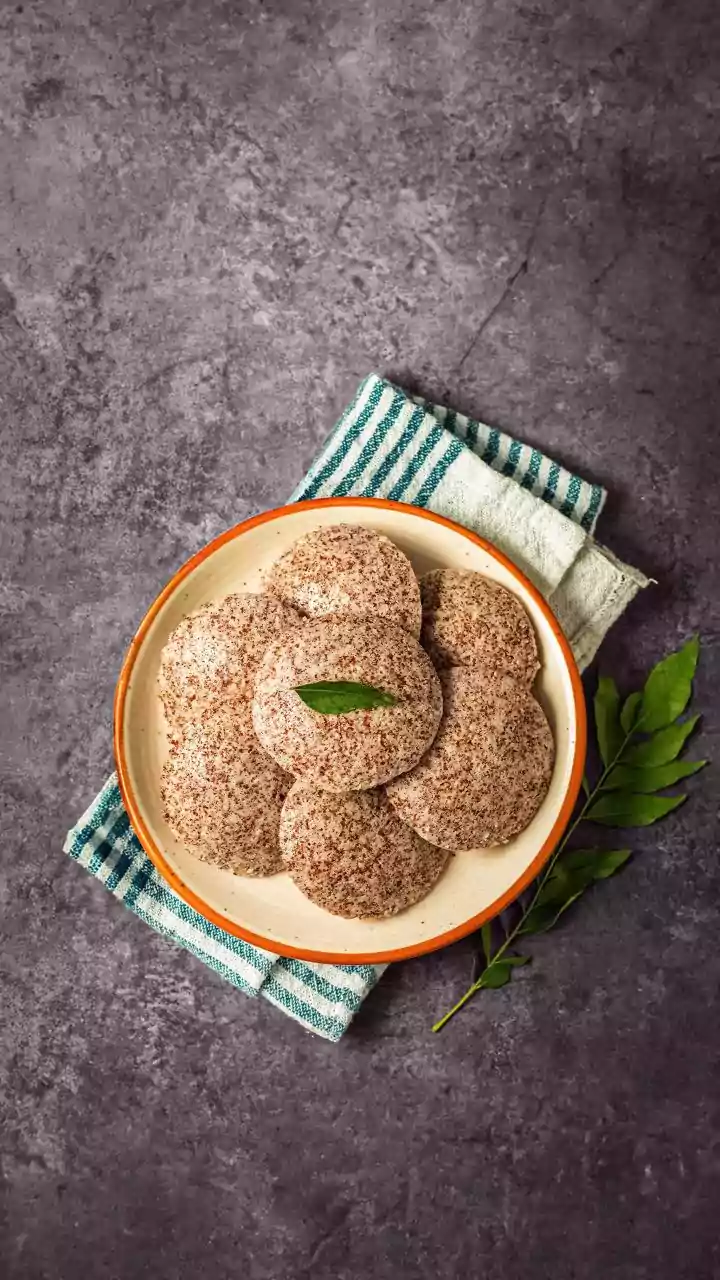
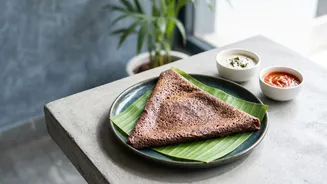
For a recipe to truly be practical, it needs to speak the language of today’s home cook. First, it should use familiar formats. Instead of asking people to learn a completely new dish, the easiest entry point is to adapt what they already love. Think ragi dosa instead of a plain one, foxtail millet upma instead of rava upma, or using jowar flour in rotis. Second, the recipe must be forgiving. It should work with standard kitchen equipment and not require specialised tools or hard-to-find ingredients. Finally, it must deliver on taste. No one will consistently eat something just because it is healthy. The flavour and texture must be genuinely enjoyable. This is where innovation comes in—creating millet-based pastas, noodles, and ready-to-cook mixes that cater to modern palates while retaining nutritional value.
Inspiration is Already Here
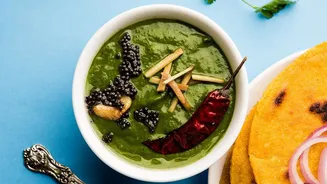
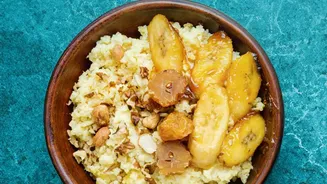
The good news is that this culinary shift is already happening, driven by chefs, home cooks, and innovative brands. Cafes dedicated to millet-based dishes are gaining popularity, showing that these grains can be both gourmet and accessible. Online, countless food bloggers and YouTubers are demonstrating how to make everything from millet pulao to ragi brownies, demystifying the cooking process. By incorporating traditional grains into beloved dishes—like bajra khichdi, little millet pongal, or even a millet-based biryani—they are making these ancient foods relevant again. These recipes aren't about replacing rice and wheat entirely, but about expanding the family's dietary portfolio with delicious, nutritious, and, most importantly, practical alternatives.