






The Silent Killer Below the Soil
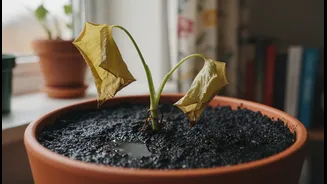
Root rot is a disease that occurs when a plant's roots are deprived of oxygen due to waterlogged soil. This anaerobic environment becomes a breeding ground for fungi and bacteria that cause the roots to decay. As the roots break down, they lose their
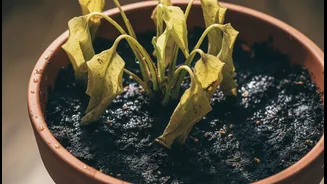
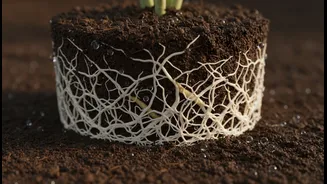
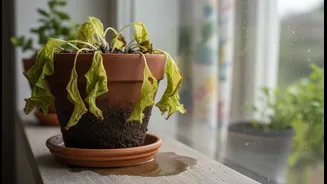
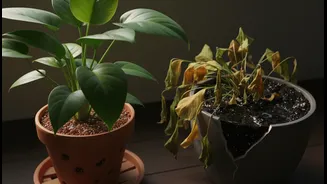
ability to absorb water and nutrients, leading to the tell-tale signs of distress above ground, like yellowing leaves and wilting. Healthy roots are typically firm and white or light tan, whereas rotten roots become dark, mushy, and may even emit a foul, swampy odour. The irony is that a plant suffering from root rot often looks thirsty, even when its soil is saturated, because its damaged root system can no longer function properly.
Your First Line of Defence: The Pot
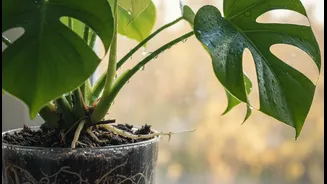
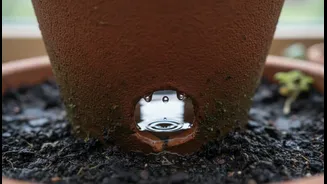
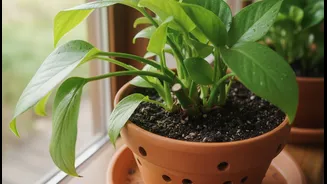
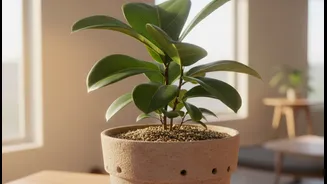
Preventing root rot starts with the container itself. The single most crucial feature of any pot is a drainage hole. Without it, excess water has nowhere to go, creating the soggy conditions that lead to decay. If you fall in love with a decorative pot that lacks drainage, use it as a cachepot—a decorative outer container—and keep your plant in a plain plastic nursery pot that you can slip inside. The pot's material also matters. Porous materials like terracotta are excellent for plants that prefer drier soil because they allow moisture to evaporate through their walls, helping the soil to dry out more quickly. Plastic and glazed ceramic pots retain more moisture, which can be fine for some plants but increases the risk of root rot if you tend to overwater. Pot size is another key factor; a pot that is too large for the plant's root ball will hold excess soil and moisture, raising the risk of rot.
Crafting the Perfect Soil Foundation
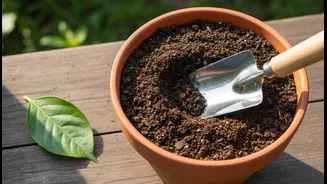
Even with perfect watering, dense, compacted soil can lead to disaster. Never use heavy garden soil in a container, as it compacts easily and retains too much water. The ideal potting mix for most houseplants should be light, airy, and fast-draining. You can create your own by starting with a quality commercial potting mix and amending it to improve aeration and drainage. Adding materials like perlite, pumice, or orchid bark is a simple and effective way to achieve this. A good rule of thumb is to replace about 25-30% of your potting mix with one of these amendments. This creates air pockets within the soil, which are essential for root health, allowing them to breathe even after a thorough watering.
The Art of Watering Wisely
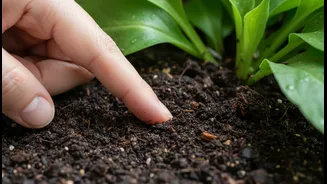
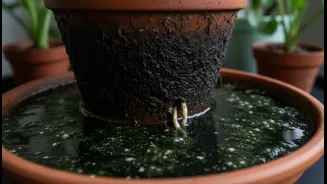
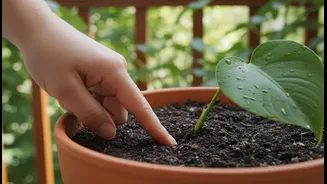
Overwatering is the number one cause of root rot, but this doesn't just mean giving a plant too much water at once. More often, it means watering too frequently, before the soil has had a chance to dry out. Instead of watering on a fixed schedule, get into the habit of checking the soil first. The 'finger test' is a reliable method: stick your finger about one to two inches into the soil. If it feels dry at that depth, it's time to water. If it's still damp, wait another day or two. When you do water, do so thoroughly until you see water running out of the drainage hole. Then, be sure to empty any excess water from the saucer so the plant is never left sitting in a pool of water.
Rescuing a Plant in Distress
If you suspect root rot has already taken hold, you need to act fast. Gently remove the plant from its pot and inspect the roots. Using a clean pair of scissors or pruning shears, trim away any roots that are brown, black, or feel mushy. Be thorough, as any remaining diseased tissue can spread. After pruning the roots, it's a good idea to also prune back some of the plant's leaves—about one-third to one-half. With a smaller root system, the plant won't be able to support as much foliage. Finally, repot the plant in a clean pot with fresh, well-draining soil. Wait a few days before watering to allow the cut roots to heal, and then water sparingly as it recovers.