









The New Jet Set
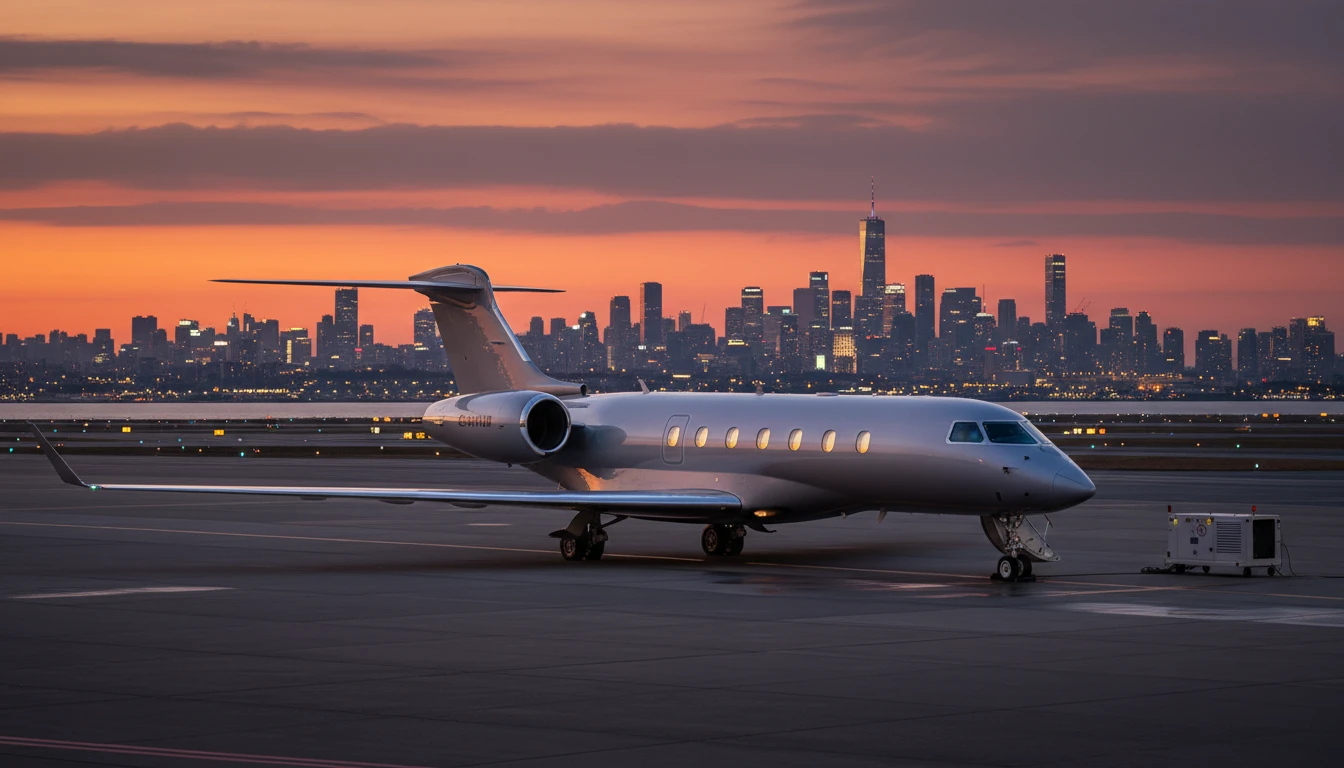
The private aviation market is experiencing a significant surge in demand, with market size projected to grow from around $32 billion in 2026 to over $41 billion by 2030. This growth isn't just from traditional corporate clients. A new class of ultra-wealthy
individuals, often younger and with fortunes made in AI, cryptocurrency, and the burgeoning private space sector, is entering the market. Following major wealth events like the SpaceX IPO, private aviation firms have reported a significant uptick in inquiries and purchases, with some seeing business jump by 25% in the first half of 2026. Unlike previous generations, these new clients often bypass entry-level options like chartering or small jets, opting immediately for larger, super-midsize aircraft. This influx of new, cash-rich, and tech-savvy buyers is creating a more dynamic and competitive landscape.
AI as the Ultimate Co-Pilot
The second major force is Artificial Intelligence, which is revolutionizing the notoriously complex logistics of private air travel. Historically, booking a private jet involved days of phone calls and opaque pricing. Today, AI-powered platforms are changing the game. Companies like Elevate Jet and FlyJets are using proprietary AI agents, trained on decades of operational data, to provide instant quotes, check aircraft availability, and handle complex itineraries in seconds. This technology doesn't just benefit the customer; it allows operators to optimize fleet management, predict maintenance needs, and reduce fuel consumption. AI is also enhancing the in-flight experience, with conversational assistants that can act as a concierge at 35,000 feet, all while operating offline to ensure privacy and security.
A New Definition of Luxury
The convergence of new tech wealth and powerful AI tools is fundamentally changing what “luxury” means in private aviation. For the new 'Astra-crats' of the space and AI boom, luxury isn't just about plush leather seats and champagne; it’s about speed, efficiency, and hyper-personalization. They expect the same seamless, on-demand experience from their travel provider that they get from other tech platforms. This has put immense pressure on the industry to innovate. The result is a more competitive market where companies are vying for customers not just on price, but on the sophistication of their technology and the quality of their data-driven service. Fractional ownership models and jet-sharing apps are becoming more common, making the market more accessible while forcing established players to adapt.
The Competitive Horizon
The data shows a clear trend: areas with high concentrations of tech wealth are becoming private aviation hotspots. San Francisco, home to major AI labs, has seen some of the fastest growth in business-jet flights in the US. This direct correlation underscores how deeply intertwined these industries have become. As new wealth is generated from the ongoing AI revolution and the commercialization of space, the demand for private aviation is expected to continue its upward trajectory. The companies that succeed will be those that embrace technology not just as an add-on, but as the core of their operational strategy, delivering a product that meets the high-tech, high-efficiency demands of the 21st-century billionaire.