





A Landmark Launch for India
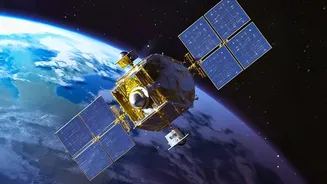
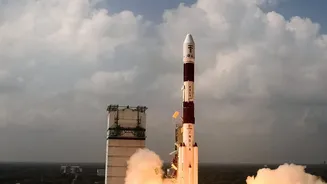
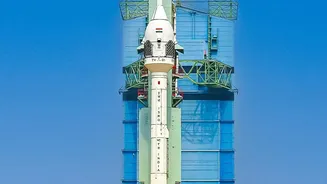
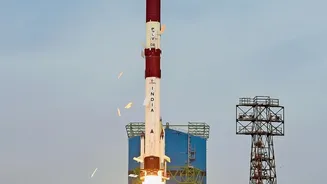
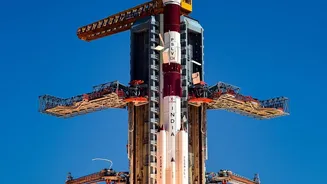
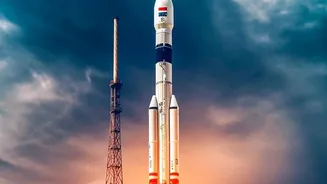
Skyroot’s Vikram-1 rocket lifted off from the Satish Dhawan Space Centre in Sriharikota, successfully deploying several small satellites into low Earth orbit on its very first attempt. The mission, named 'Aagaman' (Sanskrit for 'Arrival'), placed India
alongside the United States and China as one of only three nations with a private company capable of orbital launches. Founded in 2018 by former ISRO scientists Pawan Kumar Chandana and Naga Bharath Daka, Skyroot has moved from a suborbital test flight in 2022 to a full orbital success in 2026, a remarkably fast trajectory in the capital-intensive world of aerospace. This achievement is a cornerstone moment for India's private space industry, which has grown from a handful of startups to over 450 since the sector was opened to private participation in 2020.
The Fuel: What Is Patient Capital?
Skyroot's journey was powered by more than just rocket fuel; it was enabled by 'patient capital'. Unlike traditional venture capital that often seeks a profitable exit within five to seven years, patient capital involves long-term investments with no expectation of a quick profit. This approach is critical for 'deep-tech' sectors like aerospace, biotechnology, and advanced materials, where the path from a scientific concept to a commercially viable product can take a decade or more. Investors providing patient capital understand that the biggest hurdles are often scientific and engineering challenges, not just market entry. They are willing to support a company through years of research, development, and regulatory approvals, prioritizing sustainable growth over immediate returns.
The Visionary Backers
Skyroot’s success story is a testament to its investors' long-term vision. The company has raised approximately $150 million across multiple rounds from a diverse group of backers. Key among them is GIC, Singapore’s sovereign wealth fund, which led a significant Series B round. Other major investors include Temasek Holdings, BlackRock, and early believers like Mukesh Bansal, the founders of Greenko Group, and Sherpalo Ventures. These investors provided not just money but also conviction, backing a company that needed years to build complex hardware, including carbon-composite structures and 3D-printed rocket engines, long before it could generate revenue from a launch. Their patience allowed Skyroot to navigate the so-called 'valley of death,' where many hardware startups fail while trying to bridge the gap between prototype and commercial product.
A New Orbit for Indian Innovation
The success of Vikram-1 is more than one company's win; it serves as a powerful case study for the entire Indian startup ecosystem. It demonstrates that with the right policy environment and investment philosophy, Indian companies can compete at the highest levels of global technology. The government’s 2020 reforms, which opened the space sector and established IN-SPACe as a regulatory body, were crucial in enabling this milestone. Projections indicate India's space economy could grow from around $8-9 billion today to over $40 billion by the early 2030s. Skyroot’s achievement signals to global markets that India is not just a source of IT services but also a hub for sophisticated, hard-science innovation. This success will likely encourage more patient capital to flow into other Indian deep-tech sectors, fostering a new generation of entrepreneurs building world-changing technologies.