

More Than Just a Buzzword
For decades, "God's Own Country" has been a magnet for travellers. Yet, beneath the serene backwaters and lush tea gardens lies a revolutionary concept that sets it apart: the Responsible Tourism (RT) Mission. Launched in 2007, this state-led initiative
was designed to answer a critical question: how can tourism benefit everyone, not just hotel owners? The model is built on what’s known as the “triple bottom line”—prioritising not only economic gains but also social and environmental well-being. Instead of allowing tourism to exist in a bubble, the RT Mission actively connects hospitality businesses with local communities. This means the food you eat, the crafts you buy, and the experiences you have directly support farmers, artisans, and families in the area. It’s a deliberate shift away from mass tourism, focusing on creating a more equitable and authentic travel ecosystem.
Putting People and Planet First
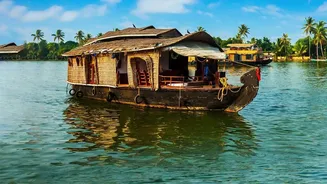
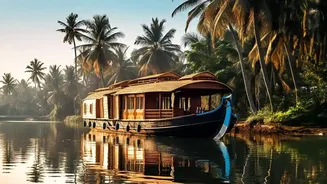
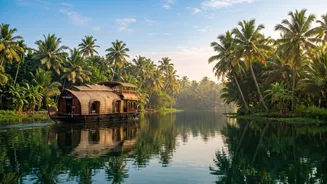
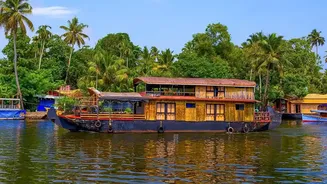
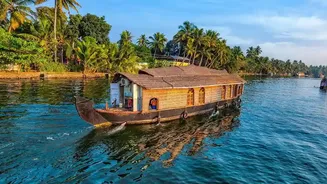
The success of Kerala’s model is best seen in its villages. In places like Kumarakom, which was the first to successfully implement the model, the community is at the heart of the visitor experience. Travellers can take canoe tours guided by locals, learn coir-making from village artisans, or enjoy meals prepared by women-led culinary groups. These aren't just charming activities; they are sustainable livelihoods. The mission has spurred thousands of small-scale enterprises, with a significant number—reportedly around 80%—led by women, reflecting a deep commitment to gender-inclusive growth. This focus has earned Kerala global recognition, including from the United Nations World Tourism Organization (UNWTO), for aligning tourism with Sustainable Development Goals. Environmentally, the mission promotes conservation, waste management, and the protection of fragile ecosystems, ensuring that the natural beauty that draws tourists is preserved for future generations.
A Blueprint for a Changing World
So, why does this story still matter in 2026? Because the challenges Kerala's model was designed to solve are now global problems. Today's travellers increasingly seek authentic, meaningful experiences over generic holidays. There is a growing demand for travel that supports local communities and minimizes environmental impact. Kerala’s RT Mission provides a proven blueprint for exactly that. It demonstrates that tourism can be a powerful tool for inclusive development, cultural preservation, and environmental stewardship. As other destinations grapple with the negative effects of unchecked tourism, from strained infrastructure to cultural erosion, Kerala’s proactive approach offers invaluable lessons. The model isn’t just about making tourism “less bad”; it’s about actively making it a force for good.
Navigating Future Challenges
The journey hasn't been without hurdles. The impacts of climate change, such as increasingly unpredictable monsoons and floods, pose a real threat to a tourism industry built on natural landscapes. Furthermore, the risk of over-tourism in popular spots and ensuring the model’s principles are consistently applied across the state remain ongoing tasks. The state is actively responding with new initiatives. Recent efforts include plans to grant official 'industry' status to the tourism sector to encourage investment and streamline development. Another recent development is the introduction of 'Green Marshals' at tourist sites to assist visitors, ensure safety, and monitor cleanliness, reinforcing the commitment to a high-quality, secure visitor experience. These steps show an understanding that sustainability requires constant innovation and vigilance.