





More Than a Meal, It's a Story
For decades, navigating the vibrant chaos of Indian street food was an adventure reserved for the brave or the local. Tourists often worried about hygiene, while even city residents stuck to their familiar neighbourhood vendors. Today, that is changing.
A new wave of curated urban food walks is bridging the gap, offering a guided, safe, and deeply contextual way to explore culinary landscapes. These are not just about eating; they are narrative journeys. Guides, often passionate local foodies, lead small groups through labyrinthine lanes, sharing the history of a dish, the story of a multi-generational vendor, and the cultural significance of each bite. This transforms a simple snack into a memorable experience, connecting the food to the city's heartbeat.
A Taste of Authenticity, With a Side of Trust
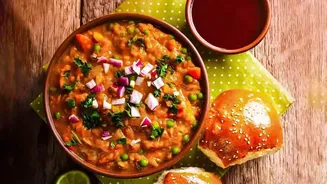
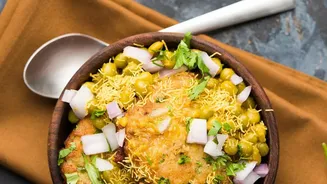
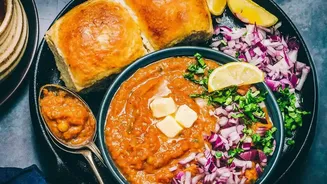
So, why the sudden boom? The answer lies in a growing appetite for authenticity. Modern travellers and urban explorers are tired of generic tourist traps; they crave genuine, local experiences. Food walks deliver precisely that, taking participants to hidden gems they would never find on their own. These tours vet vendors for hygiene and quality, removing the anxiety that once held many back. In cities like Delhi, a walk through Chandni Chowk might include stops for crispy jalebis from a century-old shop or succulent kebabs in a back alley. In Mumbai, tours navigate bustling markets like Zaveri Bazaar to sample iconic snacks from pav bhaji and bhel puri at Chowpatty Beach to delicacies from historic Parsi cafes. This curated approach builds trust and makes the vast world of street food accessible to everyone.
Spotlight on the Culinary Hubs
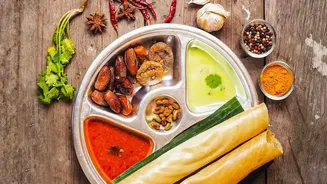
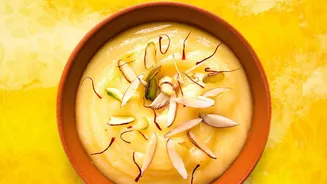
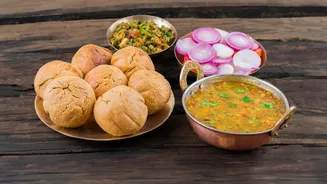
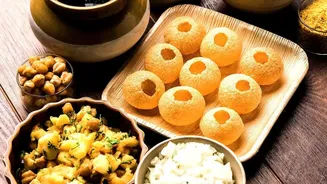
Across India, major cities are becoming playgrounds for these culinary explorations. In Old Delhi, walkers travel by foot and cycle rickshaw to sample everything from chole bhature to aloo chaat. Kolkata's trails celebrate its unique Bengali flavours and street-side innovations, with puchkas, kathi rolls, and mishti doi taking centre stage. Mumbai's walks are a melting pot, reflecting the city's diverse population with offerings like Parsi mutton kheema, Gujarati snacks, and the quintessential vada pav. These tours do more than just showcase food; they highlight the distinct culinary identity of each city, turning its streets into living museums of flavour.
An Economic Boost for Small Vendors
The rise of food walks also provides a significant and welcome economic boost to the street vendors themselves, who are the backbone of this culinary culture. Many of these vendors are small, family-run operations that have faced challenges ranging from regulatory hurdles to the recent economic strains. By bringing a steady stream of curious and respectful customers directly to their stalls, food walks provide a new and reliable revenue source. Organisers often build long-term relationships with vendors, ensuring they benefit from the tourism boom. This creates a sustainable model where visitors get an authentic experience, and the creators of that experience are directly supported, helping to preserve their culinary traditions for generations to come.
Preserving a Delicious Heritage
Ultimately, urban food walks are doing more than just popularising snacks; they are actively helping to preserve and celebrate India's rich culinary heritage. In a rapidly modernising world, these tours put a spotlight on traditional recipes and cooking methods that might otherwise be forgotten. They encourage a deeper appreciation for the skill and history behind a simple plate of food. By connecting eaters directly with makers, these walks foster a sense of community and cultural pride. They remind us that street food is not just a cheap and quick meal—it's a vibrant, living tradition that tells the story of India, one delicious bite at a time.