





Understanding the Global Scorecard
The Travel & Tourism Development Index (TTDI) isn't just about which country gets the most visitors. It's a comprehensive report card that scores 110 economies on the factors that enable the sustainable and resilient development of their travel sectors.
Think of it as a measure of a country's readiness for tourism success, evaluating everything from air transport and ground infrastructure to natural and cultural attractions, safety, and price competitiveness. While advanced economies like Japan, the US, and Spain still dominate the top spots, the latest index shows that the conditions for tourism development are improving almost everywhere, with 92% of countries enhancing their scores since the 2024 report.
The Rise of Asia-Pacific
The most significant story in the 2026 index is the surging momentum of the Asia-Pacific (APAC) region. It was the fastest-improving region overall, with its average score increasing by 3.6% between 2024 and 2026. In fact, seven of the ten most-improved economies globally are from developing countries in Asia. Nations like Malaysia, Thailand, and Vietnam have made substantial leaps, benefiting from competitive pricing, rich natural assets, and a delayed but strong post-pandemic reopening. This rapid improvement signals that these destinations are not just attracting tourists but are actively investing in the systems and assets needed for long-term growth, closing the gap with traditional tourism powerhouses.
Middle East's Ambitious Ascent
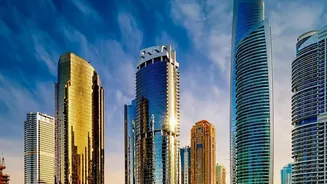
The Middle East and North Africa (MENA) region recorded the second-strongest improvement in the index, with scores climbing by an average of 2.5%. Countries like Saudi Arabia and the United Arab Emirates are at the forefront of this charge. Saudi Arabia, for instance, has jumped 17 places since 2019, driven by its Vision 2030 strategy and massive investments in tourism infrastructure and workforce development. The UAE continues to perform strongly, ranking 22nd globally, while Qatar was a standout riser, jumping ten places. The region performs particularly well on air transport infrastructure and ICT readiness, validating its strategy of becoming a global aviation hub. Despite recent geopolitical disruptions affecting aviation, the underlying investment in the sector remains a key strength.
Culture and Nature: The Timeless Assets
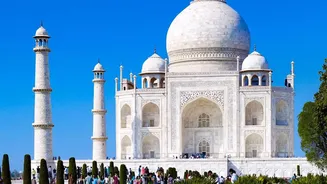
The WEF report underscores a fundamental truth: a country's natural beauty and cultural richness are irreplaceable assets. Strong gains in cultural attractions were a key driver of score improvements globally. These pillars form the core appeal of a destination, drawing visitors who seek unique experiences. For emerging economies, these resources provide a powerful competitive advantage. The report highlights that destinations that successfully leverage and protect their natural and cultural heritage are better positioned for sustainable growth. This focus is moving beyond just attracting visitors to ensuring that tourism benefits local communities and preserves the very assets that make a place special.
Infrastructure: The Backbone of Growth
You can have the most beautiful beaches and historic sites in the world, but without the means to get there and get around, tourism potential remains untapped. The 2026 index confirms that infrastructure is a critical differentiator. Improvements in air connectivity and tourism services were major contributors to rising scores worldwide. For the fast-growing economies in Asia and the Middle East, investment in airports, roads, and digital connectivity is paying off. However, the WEF also cautions that investment has lagged behind the rebound in travel activity, and workforce shortages could constrain service quality. For destinations to successfully manage growth, continued and smarter investment in both physical and human infrastructure is non-negotiable.