

The Common Roasting Mistake
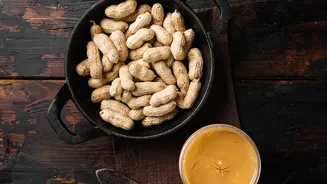
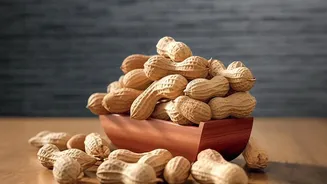
If you've ever tried making roasted peanuts, you've likely followed the standard advice: toss raw peanuts in oil, spread them on a tray, and sprinkle with salt before or after baking. The results are often disappointing. Some peanuts are scorched while
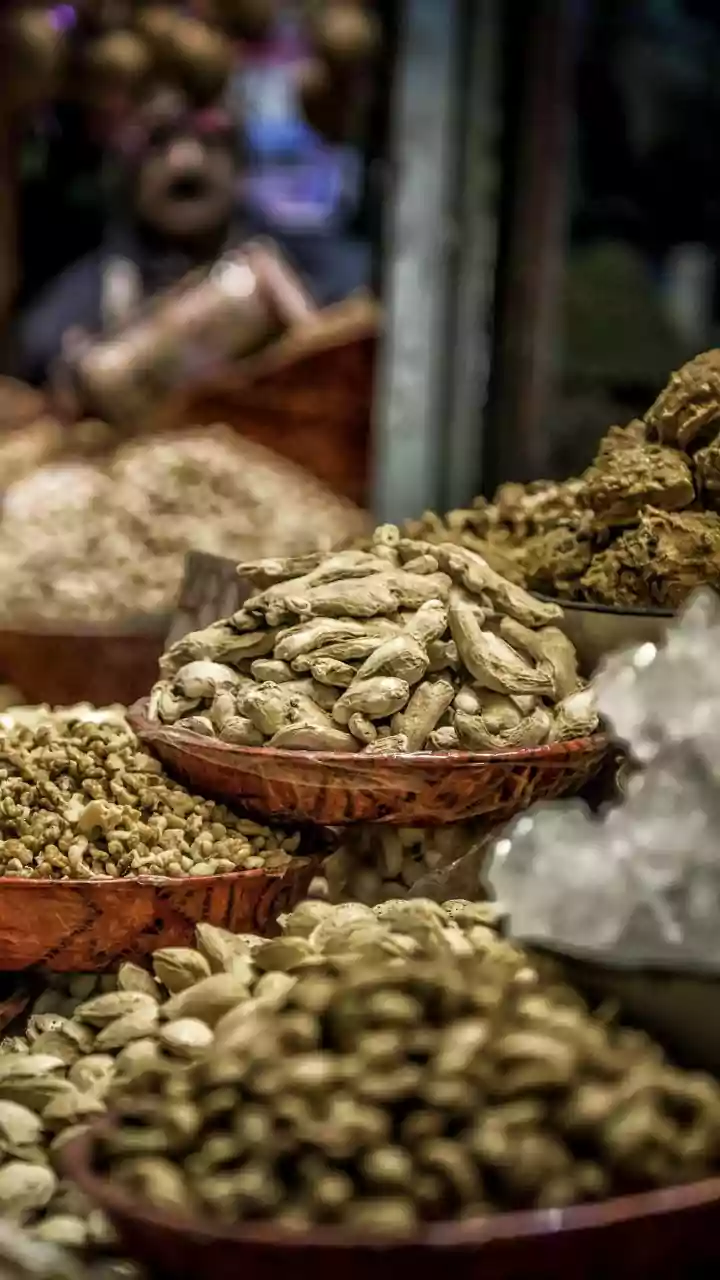
others remain soft; the salt clumps in some spots and vanishes from others. This happens because a baking sheet provides uneven heat, and salt struggles to adhere to a smooth, oily surface. You end up with a snack that’s a pale imitation of the addictive, perfectly seasoned peanuts you get from street vendors or at traditional eateries, especially in India where they are a beloved snack. The problem isn't your oven or your salt—it's the method.
The Hot Salt Immersion Technique
Enter a method that sounds strange but delivers flawless results: roasting peanuts directly in a bed of hot salt. This technique is a favourite of street vendors who have mastered the art of the perfect peanut. Instead of using salt as a mere seasoning, it's used as the cooking medium itself. A large quantity of fine table salt is heated in a heavy-bottomed pan or wok. The raw peanuts are then added directly into the hot salt and stirred continuously. The peanuts don't absorb all the salt and become overly salty; instead, the salt acts like a fluid, transferring heat perfectly to every part of each peanut. The nuts move freely, almost like they're swimming, ensuring none of them have prolonged, scorching contact with the hot pan surface.
The Science of Even Heating
Why does this work so well? It's all about heat transfer and moisture management. The bed of hot salt functions like a convection oven in a pan. The tiny salt crystals have a massive collective surface area, enveloping each peanut in a consistent, dry heat. This prevents the hot spots that plague pan-roasting, leading to an exceptionally even roast from the inside out. As the peanuts roast, their internal moisture turns to steam. Rinsing the peanuts with water just before adding them to the hot salt is a key tip. This initial moisture helps a fine layer of salt to stick to the shell, seasoning it perfectly, while also preventing the nuts from burning as they heat up. The dry heat of the salt bed then efficiently wicks away moisture, resulting in that signature satisfying crunch.
How to Do It at Home
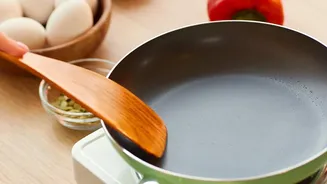
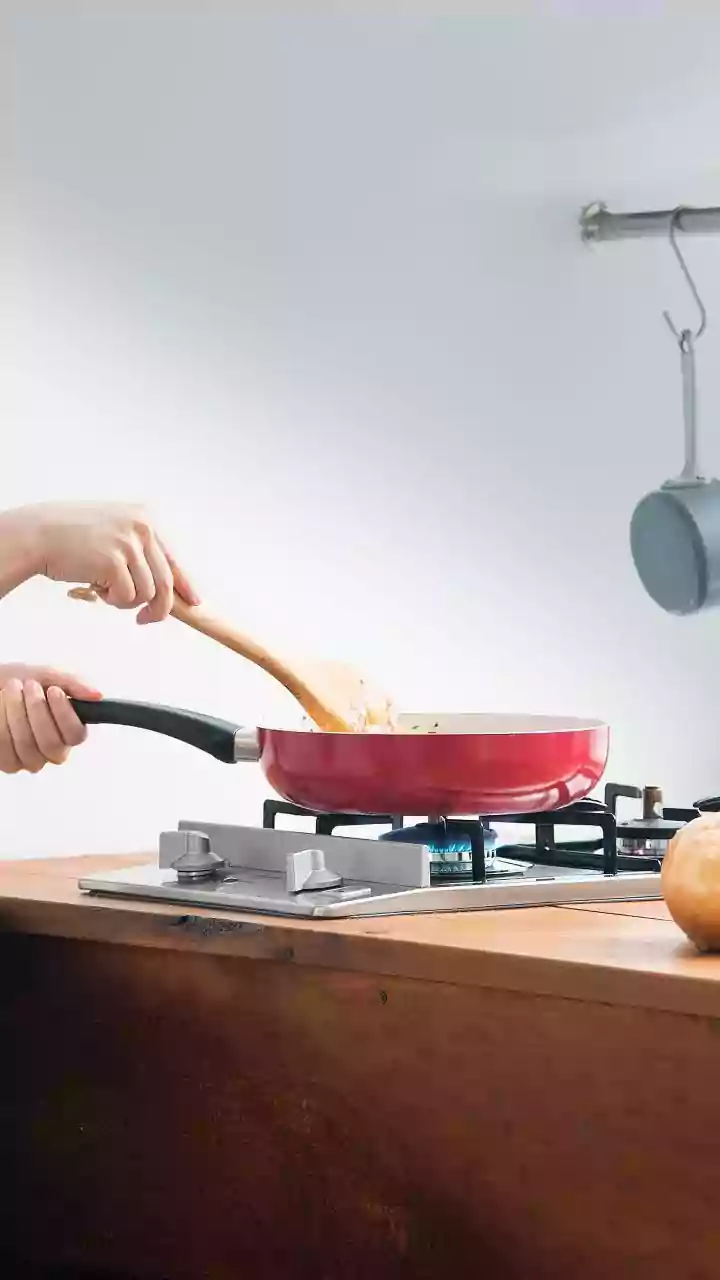
You don't need a street vendor's cart to master this. All you need is a wok or a deep, heavy pan, peanuts, and a good amount of regular table salt. Use enough salt to create a deep bed for the peanuts to move in—about four cups is a good start. Heat the salt over medium-high heat, stirring until it's uniformly hot. Give your raw peanuts a quick rinse under water and drain them, but don't dry them. Add the damp peanuts to the hot salt. It will be difficult to stir at first, but as the water evaporates, it will become much easier. Keep stirring and tossing the peanuts through the salt for about 13-15 minutes. The peanuts will darken, and your kitchen will fill with an irresistible roasted aroma. Once they're done, use a slotted spoon or sieve to separate the peanuts from the salt. Let them cool completely on a tray before eating, as they'll continue to cook and get crunchier as they cool.
Beyond the Basic Peanut
Once you've mastered the technique, the possibilities are endless. This method works beautifully for other nuts like almonds and cashews. And don't throw that salt away! Once it cools, you can sift it and store it in an airtight container to be used for your next batch of roasted nuts; it can be reused multiple times. While the salt-roasted peanuts are delicious on their own, you can also toss them with spices like chili powder, garlic, and fish sauce after they come out of the salt for a different flavour profile. Whether eaten as a simple snack or used as a crunchy topping for noodles or salads, these peanuts are a game-changer.