



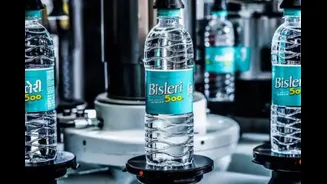
Recent news about a safety order against Bisleri, India's most recognized bottled water brand, has sparked public concern. However, this is not a nationwide recall. Here’s a clear breakdown of what happened and what it means for consumers.
What Prompted the Safety Order?
India's food
regulator, the Food Safety and Standards Authority of India (FSSAI), announced on November 22, 2026, that it had sanctioned prosecution against Bisleri International. The action followed laboratory tests on a sample of its packaged drinking water. The regulator stated the sample was initially found to have levels of bromate, a chemical byproduct of disinfection, that exceeded the prescribed safety limits. After Bisleri appealed, a second analysis at a referral laboratory also declared the sample unsafe, this time citing the presence of polynuclear aromatic hydrocarbons (PAHs), which are compounds that can pose health risks. Based on these findings, the FSSAI approved legal proceedings against the company for violating food safety laws.
Which Bisleri Products Are Affected?
The key point for consumers is that this safety order is highly specific and not a blanket ban on all Bisleri products. The FSSAI's action and sale prohibition apply exclusively to a single batch: Batch GO 270, which was manufactured at the company's Goa plant on September 27, 2025. According to Bisleri, this batch was produced over 14 months ago and is no longer available in the market. The Goa facility is one of over 140 plants operated by the company. Officials have confirmed there is no brand-wide recall, and other batches are not implicated in this specific order. The Goa plant itself has not been ordered to suspend operations.
Bisleri's Official Response
Bisleri has publicly stated that its water remains safe for consumption and has sought to clarify the situation. The company maintains the issue is isolated to an old batch from a single plant. In a statement, Bisleri highlighted what it calls discrepancies in the test findings, noting that the referral lab found bromate levels to be within the limit, even as it flagged PAHs. The company says it commissioned its own independent tests in February 2026, which confirmed compliance with safety standards, and had understood the matter to be closed after submitting these results to the FSSAI. Bisleri has pledged to cooperate fully with the regulators to address the matter through the proper legal and regulatory channels.
What Happens Next?
The FSSAI's decision to sanction prosecution is the start of a legal process, not a final verdict. The case will now proceed through the courts. Meanwhile, this incident has triggered wider scrutiny. A government source indicated that in light of the findings, the FSSAI plans to test more samples from Bisleri across the nation, as well as from other bottled water companies. This signals an intensified enforcement campaign by the regulator to ensure the safety of all packaged water sold in India. For its part, Goa's Food and Drugs Administration (FDA) has also directed its officers to collect additional samples of various water brands sold in the state for analysis.
What This Means for Consumers
For the average consumer, the immediate risk appears to be low, as the affected batch is reportedly long gone from store shelves. The incident serves as a crucial reminder for consumers to remain vigilant. While Bisleri is a household name, this shows that regulatory checks are essential for maintaining quality standards across all brands. The FSSAI has confirmed that its prohibition on sale was issued only for Batch GO 270 and has directed Bisleri to conduct a root cause analysis. This ensures that even an isolated incident is thoroughly investigated to prevent future occurrences, reinforcing the importance of the country's food safety framework in protecting public health.