





The Push for a Healthier Salt Shaker
Leading health experts and bodies in India, including the Indian Council of Medical Research (ICMR), are championing a significant shift in our kitchens. The proposal is to encourage the widespread use of low-sodium salt substitutes (LSSS) as a public
health strategy. The reason is clear: Indians consume, on average, double the World Health Organization's recommended daily limit of less than 5 grams of salt. This excessive sodium intake is a primary driver of high blood pressure (hypertension), which affects millions of Indians and is a major risk factor for cardiovascular diseases like heart attacks and strokes. Studies suggest that switching to these alternative salts could cut the risk of stroke by 14 percent and deaths from heart disease by 12 percent, a benefit comparable to many first-line medications. The goal is to reduce the nation's sodium intake without asking people to fundamentally change their cooking or eating habits.
What Exactly Is Low-Sodium Salt?
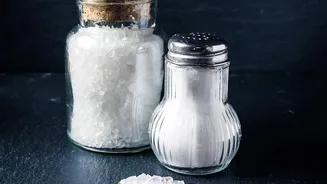
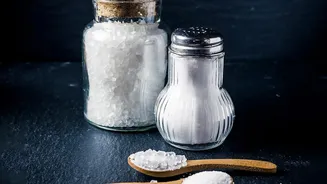
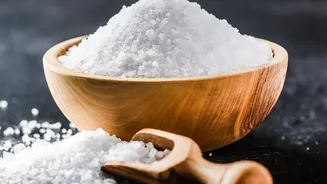
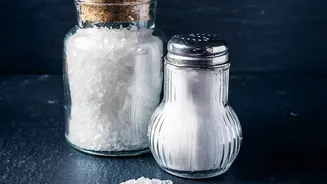
Low-sodium salt isn't simply a product with less salt overall; it's a reformulated product. These substitutes replace a portion of the sodium chloride (NaCl), the chemical compound we know as regular table salt, with potassium chloride (KCl). Formulations can vary, but they typically involve replacing 15-30% of the sodium chloride with its potassium counterpart. The result is a product that looks, tastes, and cooks very similarly to conventional salt but delivers less sodium. Crucially, it also adds potassium to the diet, a mineral known to help relax blood vessels and lower blood pressure, thus offering a dual benefit. Food safety authorities like the FSSAI have been examining standards to officially recognise these potassium-enriched salts as an 'edible salt' category, paving the way for wider availability.
The Potassium Problem for Kidneys
While beneficial for the general population, the added potassium in these salts poses a serious risk for certain individuals. Healthy kidneys are experts at filtering waste from the blood, including excess potassium. However, for people with Chronic Kidney Disease (CKD), this filtering ability is compromised. When the kidneys can't effectively remove potassium, it can build up in the bloodstream, leading to a dangerous condition called hyperkalemia. Severe hyperkalemia can interfere with nerve function and muscle contractions, and most critically, it can cause life-threatening abnormal heart rhythms and even sudden cardiac arrest. Symptoms of high potassium can be vague, like muscle weakness, nausea, or tingling, making it difficult to detect without a blood test.
Identifying Who Is Most at Risk
The primary group at risk are the millions of Indians living with Chronic Kidney Disease. A parliamentary committee report from August 2026 noted an estimated 138 million people in India have CKD, with nearly two lakh new patients progressing to end-stage kidney disease each year. A major concern is the vast number of undiagnosed cases; many people with early-stage kidney disease have no symptoms and are unaware of their condition. Others who need to be cautious include individuals with heart failure, diabetes, or those taking specific medications that can raise potassium levels, such as certain blood pressure drugs (like ACE inhibitors and ARBs) or some diuretics. For these groups, a sudden increase in potassium intake from a low-sodium salt could be dangerous.
A Balance of Health and Safety
The challenge for Indian health authorities is balancing a population-wide benefit with individual risk. Modelling studies project that a nationwide switch to potassium-enriched salt could prevent hundreds of thousands of deaths from cardiovascular disease annually in India. The same studies show that the benefits largely outweigh the risks, even within the kidney disease population, projecting that for every potential death caused by hyperkalemia, more than seven cardiovascular deaths would be prevented. Experts agree that the solution lies in a multi-pronged approach. This includes clear, mandatory warning labels on low-sodium salt packaging, robust public awareness campaigns, and educating healthcare professionals to screen patients and provide tailored advice. Integrating these salts into government food programs, like mid-day meals, could also help normalise their use while building in safety protocols.