



What’s in a Name?
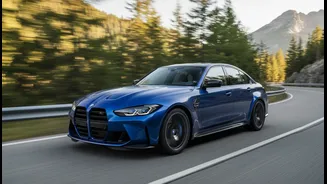
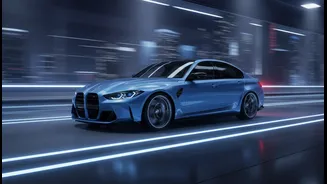
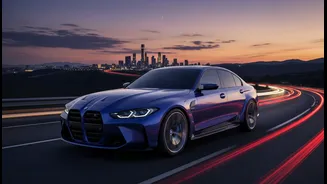
For decades, the M3 badge has represented the pinnacle of BMW’s performance ethos: a perfect blend of a daily driver and a track-day weapon. As the automotive world pivots to electric, the question for BMW wasn't just how to build an electric M3, but
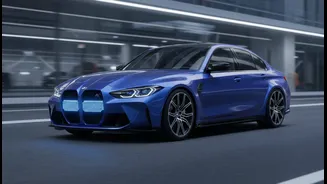
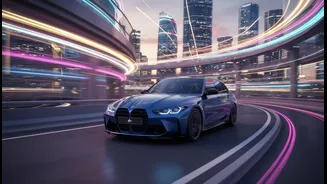
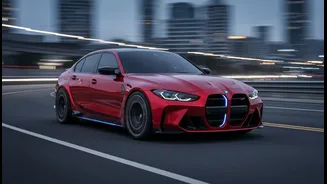
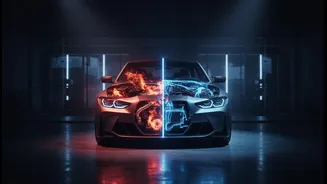
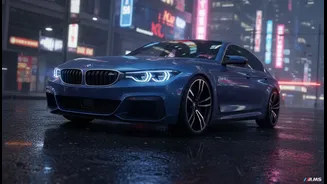
what to call it. Recent statements from BMW M’s CEO, Frank van Meel, have put an end to speculation: the electric M3 will simply be called the M3. This isn't just a trivial branding decision; it's a powerful statement of intent. By refusing to add an “i” prefix—the marker for its electric sub-brand—BMW is declaring that the electric version isn't an alternative or an experiment. It is the definitive M3 for the next generation. Van Meel has been clear that an M3 is defined by its performance characteristics, not its powertrain, whether it has a four-cylinder, V8, or now, electric motors.
Avoiding the 'i' Problem
Since the launch of the quirky i3 hatchback over a decade ago, BMW has used the “i” branding to clearly distinguish its electric models. We have the i4, i5, and iX, and even M-tuned performance models like the i4 M50. While this strategy helped introduce customers to electrification, it also created a separate category in buyers' minds: there are BMWs, and then there are BMW 'i' cars. For a legacy model as revered as the M3, applying the “i” prefix could have unintentionally positioned it as a lesser, compromised, or experimental version. Calling it the “iM3” would have suggested it was an EV first and an M car second. By dropping the prefix, BMW is integrating its most potent EV directly into its most legendary lineage. The message is one of confidence: the electric powertrain is now so good that it doesn't need a special label. It simply earns the M3 badge on its own merit.
A Neue Klasse of Performance
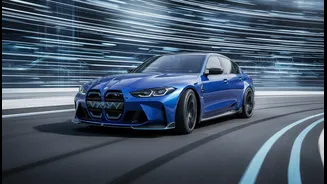
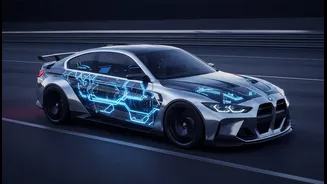
This new electric M3, expected around 2027, will be one of the flagship models built on BMW's groundbreaking Neue Klasse (New Class) architecture. This is not a shared platform adapted for electricity; it's a dedicated EV-first foundation designed to maximize the potential of electric drive. The platform features an 800-volt system for rapid charging, a new generation of more energy-dense cylindrical battery cells, and a highly advanced chassis. For the M3, this architecture will support a wild quad-motor setup, with one motor for each wheel. This allows for an unprecedented level of torque vectoring and control, a system BMW's engineers are reportedly developing to deliver a driving experience that is both uniquely electric and authentically M. Rumors suggest the power output could approach 1,000 horsepower, though M division executives insist the focus is on sustained, repeatable track performance, not just raw headline numbers.
Two M3s, One Legacy
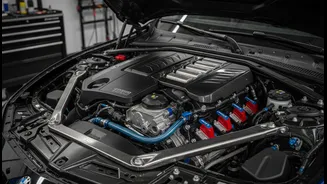
Perhaps the most interesting part of this strategy is that for a time, there will be two M3s. Alongside the new electric model based on the Neue Klasse platform, BMW is also developing a next-generation gasoline-powered M3. This suggests a transitional period where customers can choose the powertrain that best suits them, with both cars coexisting under the same legendary name. This dual-path approach is a massive gamble, but it also cleverly future-proofs the M3 brand. It allows traditionalists to stick with what they know while positioning the electric version as the equal, forward-looking choice. Eventually, the lineup will almost certainly become fully electric. By making this naming decision now, BMW ensures that when that day comes, the car will still just be called the M3. The name transcends the technology, preserving a nearly 40-year legacy for a new, electric-only world.