



The Plan: Fewer Cars, Less Complexity
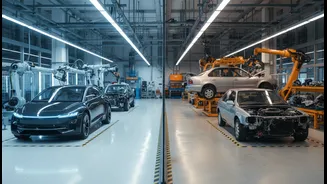
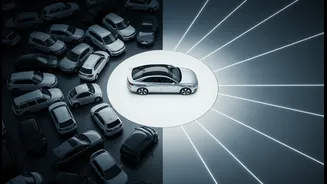
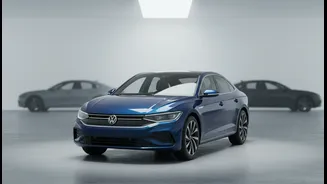
Volkswagen Group has announced a new future plan designed to make the company more competitive and resilient. At its core, the strategy involves a dramatic reduction in the number of models it sells globally. The company plans to gradually cut its vehicle
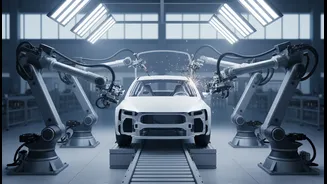
lineup by up to 50% by 2030, concentrating only on the most profitable and popular market segments. This isn't just about discontinuing entire car models; the complexity within the remaining models will also be targeted. Volkswagen aims to reduce the number of equipment options, trim levels, and powertrain combinations by as much as 75%. The goal is to simplify everything from development to manufacturing, making the entire process faster and cheaper.
Why the Sudden Shift?
This radical diet is a response to a perfect storm of financial and competitive pressures. The company has pointed to a deteriorating global economic and geopolitical environment, rising costs, and increasingly fierce competition, particularly from Chinese automakers. Profits have been under pressure, and the enormous cost of transitioning to electric vehicles (EVs) requires massive investment. Volkswagen's core brand has been operating on thinner profit margins compared to luxury counterparts like Porsche and Audi, or rivals like Renault. In an official release, the company stated that cost reductions planned to date were simply not sufficient, necessitating a fundamental realignment of its business model. This new strategy is part of a broader performance program aimed at boosting the VW brand's return on sales to 6.5% by 2026, which would unlock billions in earnings.
Which Models Are on the Chopping Block?
Volkswagen has not yet released a definitive list of which models will be axed. However, the company has made it clear it will focus on its strongest sellers and the most attractive market segments. This suggests that high-volume, popular models like the Tiguan SUV are likely safe. In contrast, lower-volume or niche models are at risk. For example, the company had previously confirmed that models like the VW Arteon sedan will be discontinued. The strategy will affect the entire group, including brands like Skoda, Audi, and SEAT. The overarching principle is to eliminate overlapping products where multiple brands compete for the same customer, a move intended to reduce internal cannibalization and focus resources more effectively.
What This Means for Car Buyers
For customers, this strategic pivot will have both direct and indirect consequences. The most obvious change will be fewer choices at the dealership. The days of endlessly configuring a car with dozens of optional features and multiple engine types are numbered. For a recent model like the electric ID.7, Volkswagen noted there were 99% fewer configuration options compared to an older Golf 7, a clear indicator of the new direction. The upside could be a simpler, faster, and less confusing purchasing process. By streamlining production, the company aims to reduce vehicle development time from 50 months down to 36, potentially bringing new technologies to market faster. While the company's stated goal is to improve cost structures without compromising "product substance," some worry this could lead to de-contented vehicles or force buyers into more expensive packages to get a single desired feature.
A Glimpse of the Auto Industry's Future
Volkswagen's move is not happening in a vacuum. It reflects a broader trend in the automotive industry, which is grappling with the colossal expense of electrification and software development. By sharing more platforms, electronics, and software across brands and markets, VW hopes to achieve massive economies of scale. The plan is to create harmonized systems that reduce duplication and create synergies across the entire group. This 'less is more' approach—focusing on core, profitable models while ruthlessly cutting complexity—may become the new standard for legacy automakers as they fight to stay competitive against leaner, more agile EV-native companies. Volkswagen is betting that a smaller, more focused lineup is the key to navigating a volatile market and securing its future.