
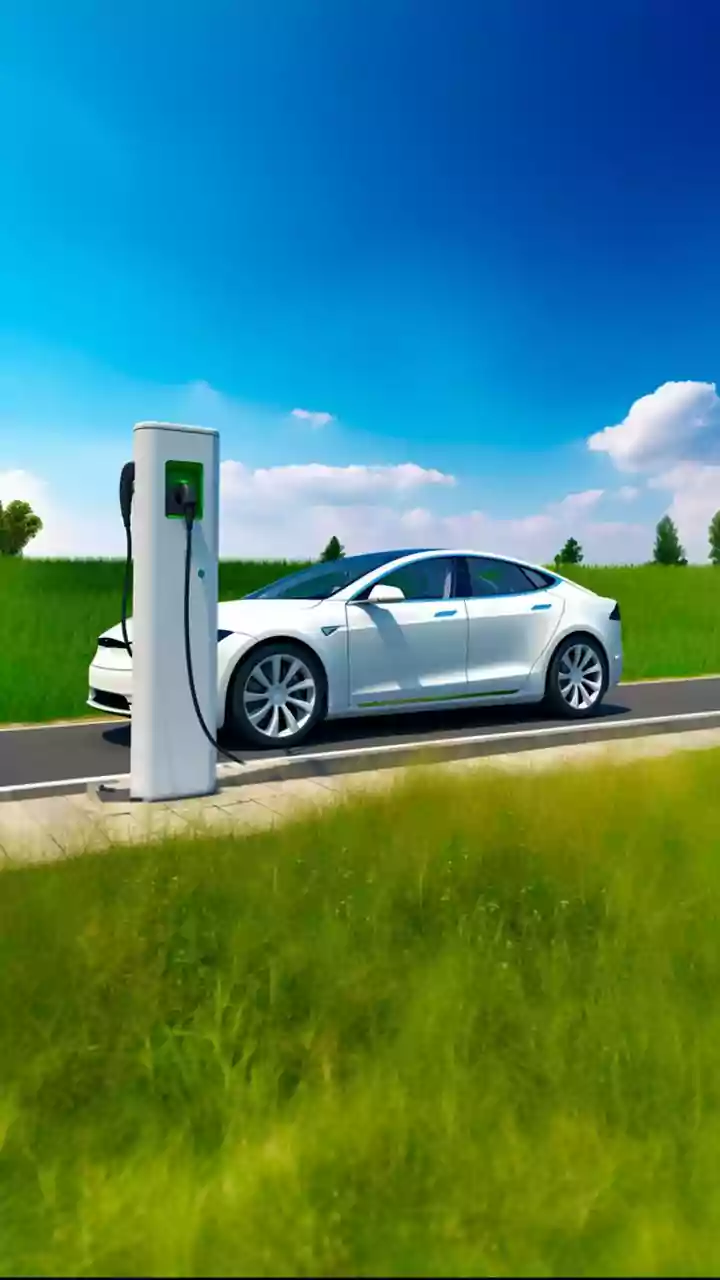




India's electric vehicle market just had a blockbuster month. With 37,049 electric passenger vehicles sold in October 2026, the sector saw a massive 76% year-on-year jump. So, what's behind this unprecedented festive season surge?
Putting the Numbers in Perspective
The sale of 37,049 electric
passenger vehicles is more than just a headline figure; it represents a pivotal moment for electric mobility in India. Compared to the 20,995 units sold in October 2025, the market has demonstrated a staggering 76.47% growth in a single year. This surge contributed to EVs capturing a 7.3% share of the total passenger vehicle market, more than double their 3.5% share from the previous year. While sales saw a slight dip from the all-time high in September 2026, the massive year-on-year growth underscores a fundamental shift in consumer preference, driven by a confluence of factors that are making electric cars more attractive than ever to the Indian buyer.
The Titans of the EV Market
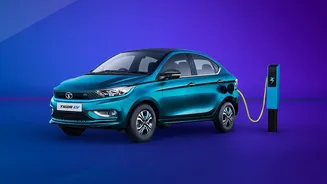
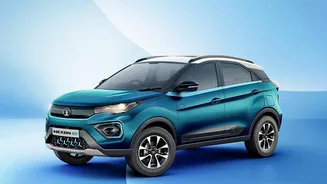
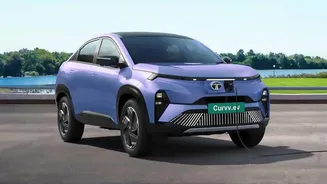
The electric vehicle landscape in India continues to be dominated by a few key players, but the competition is intensifying. Tata Motors maintained its leadership position, retailing 14,669 units in October. While its overall market share is around 40%, its dominance is being challenged. Mahindra & Mahindra has firmly secured its spot as the number two player, with an impressive 8,538 units sold, marking an 85.65% year-on-year growth. Together, these two homegrown giants command over 62% of the entire electric passenger vehicle market. Following them is JSW MG Motor, which sold 5,939 units, and several other brands like VinFast, Kia, and Maruti Suzuki are also making significant inroads, signalling a more diverse and competitive market ahead.
What's Fuelling This Electric Fire?
The October surge wasn't a fluke; it was the result of a perfect storm of positive drivers. The festive season, including Dussehra and pre-Diwali purchases, traditionally boosts vehicle sales, and this year, EVs were a major beneficiary. Beyond the seasonal rush, government policies continue to play a crucial role. Initiatives like the FAME (Faster Adoption and Manufacturing of Hybrid and Electric Vehicles) scheme and subsequent state-level subsidies have made EVs more affordable. Automakers have also responded by launching a wider variety of models, particularly in more accessible price brackets under ₹15 lakh. Furthermore, the steady rise in fossil fuel prices makes the lower running costs of an EV a compelling economic argument for many families, while growing environmental awareness also influences purchase decisions.
The Road Ahead: Challenges and Opportunities
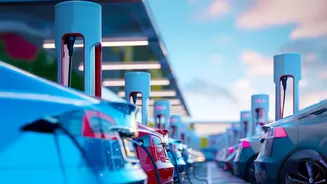
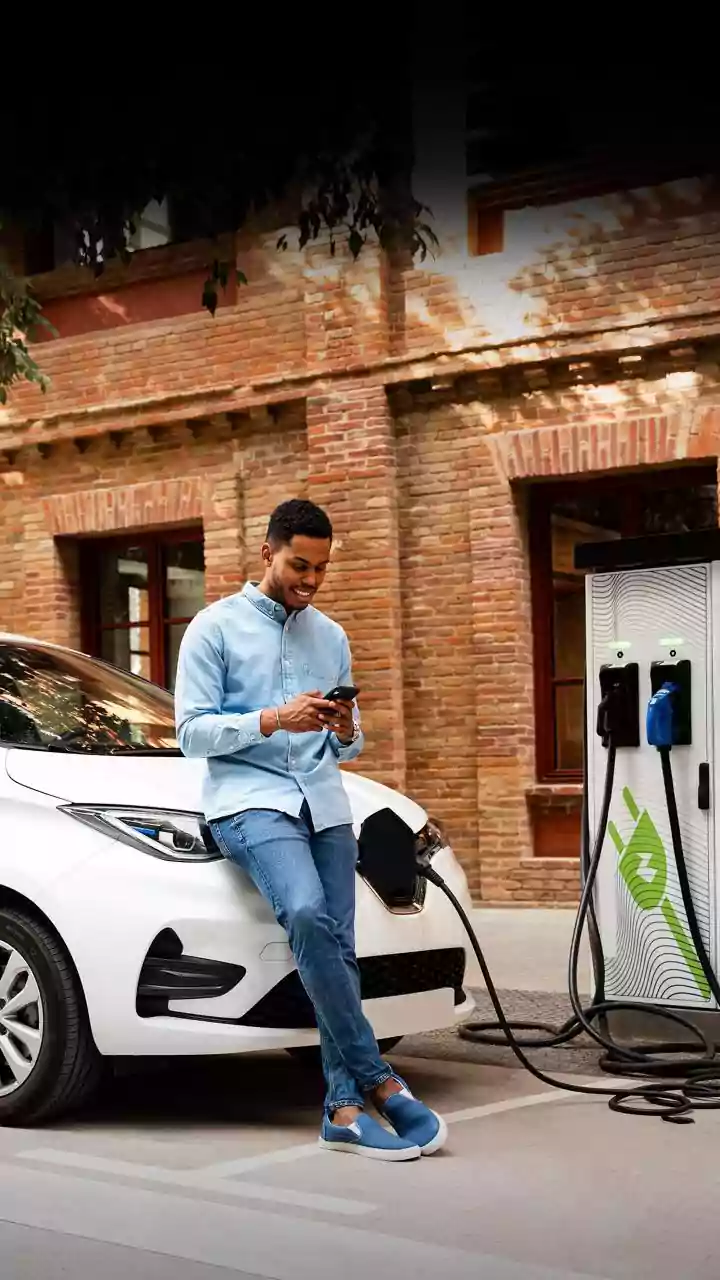
While the sales figures are encouraging, India's journey towards its goal of 30% EV penetration by 2030 is still in its early stages. The biggest hurdles remain the high upfront cost of EVs compared to their petrol or diesel counterparts and the lingering issue of 'range anxiety'. Although charging infrastructure is expanding, with government schemes aiming to add tens of thousands of new stations, ensuring a dense and reliable network across the country, especially in Tier-2 and Tier-3 cities, is critical for mass adoption. However, the momentum is undeniable. With battery costs gradually declining, more models entering the market, and domestic manufacturing capabilities growing, the October sales surge is likely a sign of what's to come, indicating that the tipping point for electric vehicles in India is no longer a distant dream but an approaching reality.